Spécialité · 8 287 hôpitaux accrédités
Oncologie
Comprehensive cancer care including surgery, chemotherapy, radiation therapy, and immunotherapy.

- Hôpitaux
- 8 287Hôpitaux
- Traitements
- 59Traitements
- Destinations
- 9Destinations
- À partir de
- $418À partir de
01 · Procédures
Traitements en Oncologie
- Greffe de moelle / cellules souches 28j d'hospitalisation 52 sem. de convalescence 78% de succès Comparer les tarifs
- Prostatectomie radicale (robotique) 2j d'hospitalisation 5 sem. de convalescence 95% de succès Comparer les tarifs
- Abdominoperineal Resection (APR) 8j d'hospitalisation 7 sem. de convalescence 88% de succès Comparer les tarifs
- Adjuvant Chemotherapy (per cycle) 0 17 sem. de convalescence Comparer les tarifs
- Allogeneic Bone Marrow Transplant 28j d'hospitalisation 52 sem. de convalescence 65% de succès Comparer les tarifs
- Autologous Bone Marrow Transplant 21j d'hospitalisation 39 sem. de convalescence 75% de succès Comparer les tarifs
- Brachytherapy (Internal Radiation) 1j d'hospitalisation 2 sem. de convalescence 88% de succès Comparer les tarifs
- Breast Reconstruction (DIEP Flap) 5j d'hospitalisation 8 sem. de convalescence 92% de succès Comparer les tarifs
- Breast Reconstruction (Implant-Based) 2j d'hospitalisation 4 sem. de convalescence 94% de succès Comparer les tarifs
- Chirurgie oncologique 7j d'hospitalisation 4 sem. de convalescence 90% de succès Comparer les tarifs
- Thérapie cellulaire CAR-T 14j d'hospitalisation 13 sem. de convalescence 70% de succès Comparer les tarifs
- Tumour Port Placement (Chemo Port) 0 1 sem. de convalescence 98% de succès Comparer les tarifs
- Chimiothérapie (par cycle) 1j d'hospitalisation 2 sem. de convalescence Comparer les tarifs
- Colectomy (Colon Resection) 6j d'hospitalisation 5 sem. de convalescence 92% de succès Comparer les tarifs
- Radiochirurgie CyberKnife 0 1 sem. de convalescence 91% de succès Comparer les tarifs
- Cytoreductive Surgery + HIPEC 14j d'hospitalisation 17 sem. de convalescence 65% de succès Comparer les tarifs
- Distal Pancreatectomy 8j d'hospitalisation 7 sem. de convalescence 88% de succès Comparer les tarifs
- Esophagectomy 12j d'hospitalisation 17 sem. de convalescence 80% de succès Comparer les tarifs
- Glossectomy (Tongue Cancer Resection) 7j d'hospitalisation 6 sem. de convalescence 86% de succès Comparer les tarifs
- Haploidentical Bone Marrow Transplant 28j d'hospitalisation 52 sem. de convalescence 60% de succès Comparer les tarifs
- Chirurgie des cancers de la tête et du cou 12j d'hospitalisation 9 sem. de convalescence 84% de succès Comparer les tarifs
- Hepatectomy (Liver Resection) 8j d'hospitalisation 8 sem. de convalescence 86% de succès Comparer les tarifs
- Hepatic Trisegmentectomy 10j d'hospitalisation 10 sem. de convalescence 82% de succès Comparer les tarifs
- Hormone Therapy (Prostate / Breast) 0 1 sem. de convalescence Comparer les tarifs
- IGRT (Image-Guided Radiation Therapy) 0 2 sem. de convalescence 89% de succès Comparer les tarifs
- Immunotherapy (PD-1 / PD-L1 course) 0 2 sem. de convalescence Comparer les tarifs
- IMRT (Intensity-Modulated Radiation Therapy) 0 2 sem. de convalescence 88% de succès Comparer les tarifs
- Laryngectomy 9j d'hospitalisation 8 sem. de convalescence 84% de succès Comparer les tarifs
- Hépatectomie (résection hépatique) 10j d'hospitalisation 9 sem. de convalescence 88% de succès Comparer les tarifs
- Lobectomy (Lung) 6j d'hospitalisation 6 sem. de convalescence 92% de succès Comparer les tarifs
- Low Anterior Resection (Rectum) 7j d'hospitalisation 6 sem. de convalescence 90% de succès Comparer les tarifs
- Lumpectomy (Breast-Conserving Surgery) 1j d'hospitalisation 3 sem. de convalescence 96% de succès Comparer les tarifs
- Mastectomie avec reconstruction 5j d'hospitalisation 9 sem. de convalescence 95% de succès Comparer les tarifs
- Mastectomy + Sentinel Lymph Node Biopsy 2j d'hospitalisation 4 sem. de convalescence 96% de succès Comparer les tarifs
- Microwave Ablation for Tumours 1j d'hospitalisation 2 sem. de convalescence 80% de succès Comparer les tarifs
- MOHS Micrographic Skin Cancer Surgery 0 2 sem. de convalescence 99% de succès Comparer les tarifs
- Neck Dissection (Lymphadenectomy) 4j d'hospitalisation 4 sem. de convalescence 92% de succès Comparer les tarifs
- Pneumonectomy 8j d'hospitalisation 7 sem. de convalescence 85% de succès Comparer les tarifs
- Protonthérapie 0 3 sem. de convalescence 92% de succès Comparer les tarifs
- Radiothérapie IMRT 0 4 sem. de convalescence Comparer les tarifs
- Radical Cystectomy 9j d'hospitalisation 10 sem. de convalescence 88% de succès Comparer les tarifs
- Prostatectomie radicale robotique 3j d'hospitalisation 4 sem. de convalescence 93% de succès Comparer les tarifs
- Radiofrequency Ablation (RFA) for Tumours 1j d'hospitalisation 2 sem. de convalescence 78% de succès Comparer les tarifs
- Robotic Hysterectomy (Cancer) 3j d'hospitalisation 5 sem. de convalescence 94% de succès Comparer les tarifs
- Radical Nephrectomy (Robotic) 3j d'hospitalisation 4 sem. de convalescence 95% de succès Comparer les tarifs
- Stereotactic Radiosurgery (SRS / Gamma Knife) 1j d'hospitalisation 1 sem. de convalescence 92% de succès Comparer les tarifs
- Subtotal Gastrectomy 7j d'hospitalisation 6 sem. de convalescence 90% de succès Comparer les tarifs
- Transarterial Chemoembolisation (TACE) 2j d'hospitalisation 2 sem. de convalescence 70% de succès Comparer les tarifs
- Targeted Therapy (Trastuzumab / Imatinib course) 0 2 sem. de convalescence Comparer les tarifs
- Thyroïdectomie 2j d'hospitalisation 2 sem. de convalescence 97% de succès Comparer les tarifs
- TomoTherapy 0 6 sem. de convalescence 89% de succès Comparer les tarifs
- Total Gastrectomy 8j d'hospitalisation 8 sem. de convalescence 86% de succès Comparer les tarifs
- Total Mesorectal Excision (TME) 7j d'hospitalisation 6 sem. de convalescence 90% de succès Comparer les tarifs
- Total Thyroidectomy (Cancer) 2j d'hospitalisation 3 sem. de convalescence 96% de succès Comparer les tarifs
- TURBT (Transurethral Resection of Bladder Tumour) 2j d'hospitalisation 2 sem. de convalescence 92% de succès Comparer les tarifs
- VATS (Video-Assisted Thoracic Surgery) Lobectomy 5j d'hospitalisation 5 sem. de convalescence 93% de succès Comparer les tarifs
- Whipple Procedure (Pancreaticoduodenectomy) 12j d'hospitalisation 13 sem. de convalescence 78% de succès Comparer les tarifs
- Intervention de Whipple (duodénopancréatectomie) 12j d'hospitalisation 13 sem. de convalescence 82% de succès Comparer les tarifs
- Y-90 Radioembolisation (SIRT) for Liver Tumours 2j d'hospitalisation 3 sem. de convalescence 75% de succès Comparer les tarifs
02 · Hôpitaux sélectionnés
Centres d'excellence pour Oncologie
-
 ISO 9001JCINABH Indraprastha Apollo Hospital New Delhi, India ★ 4.9 · 520 avis Devis à partir de $488 Voir
-
 HAISO 9001JCI Bumrungrad International Bangkok, Thailand ★ 4.8 · 640 avis Devis à partir de $481 Voir
-
 ISO 9001JCIKOIHA Asan Medical Center Seoul, South Korea ★ 4.8 · 410 avis Devis à partir de $463 Voir
-
 ISO 9001JCINABH Medanta - The Medicity Gurugram, India ★ 4.7 · 412 avis Devis à partir de $494 Voir
-
 DHADOHJCI Cleveland Clinic Abu Dhabi Abu Dhabi, United Arab Emirates ★ 4.7 · 395 avis Devis à partir de $418 Voir
-
 ISO 9001JCI Mount Elizabeth Hospital Singapore, Singapore ★ 4.7 · 380 avis Devis à partir de $546 Voir
03 · Chirurgiens
Chirurgiens spécialisés en Oncologie
-
 Dr. Vinod Raina Dr. Indraprastha Apollo Hospital 30 ans d'expérience · ★ 4.9
-
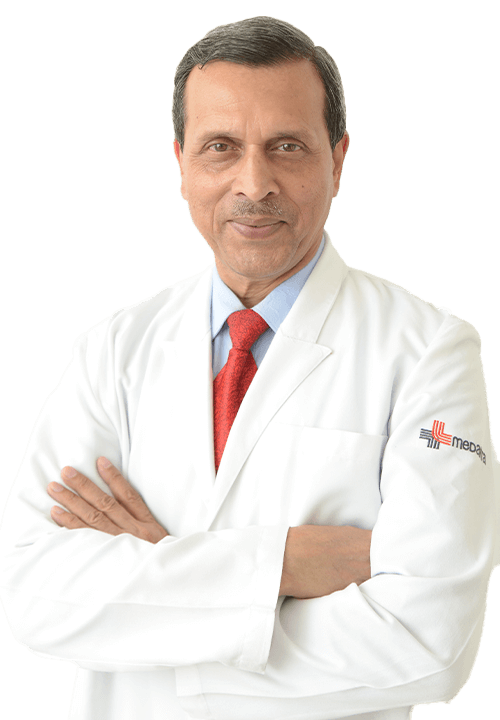 Dr. Arvind Kumar Dr. Medanta - The Medicity 35 ans d'expérience · ★ 4.8
-
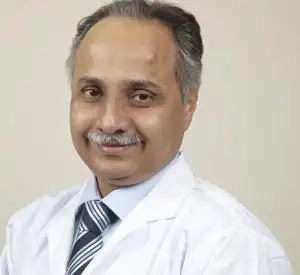 Dr. Harit Chaturvedi Dr. Max Super Speciality Hospital, Saket 25 ans d'expérience · ★ 4.8
-
 Gazi Yaşargil Dr. Yeditepe University Hospital
- Recep Öztürk Dr. Istanbul University Insitute of Oncology
-
 Tevfik Sağlam Dr. Istanbul University Insitute of Oncology
04 · Où aller
Destinations pour Oncologie
| Oncologie en India | 3 339 hôpitaux | Guide du pays |
|---|---|---|
| Oncologie en Germany | 2 144 hôpitaux | Guide du pays |
| Oncologie en Thailand | 1 429 hôpitaux | Guide du pays |
| Oncologie en Turkey | 675 hôpitaux | Guide du pays |
| Oncologie en South Korea | 297 hôpitaux | Guide du pays |
| Oncologie en Malaysia | 245 hôpitaux | Guide du pays |
| Oncologie en Saudi Arabia | 55 hôpitaux | Guide du pays |
| Oncologie en Singapore | 53 hôpitaux | Guide du pays |
| Oncologie en United Arab Emirates | 50 hôpitaux | Guide du pays |
Résultats en un coup d'œil
Ce que voient habituellement les patients en soins oncologie
Moyennes sur les 59 procédures de cette spécialité. Votre chargé de dossier vous citera des résultats spécifiques à votre indication et au chirurgien choisi.
Recommandations des sociétés savantes · édition en vigueur
Sous-spécialités
Au sein de oncologie
Surgical oncology
Tumor resection by organ system — head and neck, breast, GI, GU, gynecologic, sarcoma, hepatobiliary.
Medical oncology
Systemic therapy management — chemotherapy, targeted therapy, immunotherapy. Hormonal therapy where applicable.
Radiation oncology
IMRT, VMAT, SBRT, brachytherapy, proton therapy. Modality choice depends on cancer type and proximity to critical structures.
Hematology / blood cancers
Leukemia, lymphoma, multiple myeloma. Bone marrow transplant and CAR-T for selected cases.
Pediatric oncology
Specialized programs for childhood cancers. Long-term follow-up planning is intense.
Palliative oncology
Quality-of-life-focused care; symptom management when curative intent isn't appropriate.
Qualité du programme
Ce qu'il faut rechercher
- Multidisciplinary tumor board meeting weekly; recommendations in writing.
- Pathology lab capable of full molecular profiling (HER2, EGFR, BRAF, BRCA, MSI, PD-L1, comprehensive genomic profiling).
- Treatment regimens benchmarked against published guidelines for your specific cancer.
- Annual case volume on your specific cancer (not just 'cancer treatment').
- Clinical trial access for relevant indications.
- Supportive care infrastructure (antiemetic protocols, neutropenic support, transfusion access).
- Communication infrastructure for shared care with home oncologist.
Seuils de volume
Références de volume du chirurgien
| 150+ cases/year on specific cancer | Top-tier; outcomes typically reach published gold-standard ranges |
|---|---|
| 75–150/year | Strong; near-top-tier outcomes |
| 30–75/year | Moderate; outcomes acceptable for routine cases |
| Under 30/year on specific cancer | Lower volume; consider higher-volume program for complex cases |
Destinations
Où cela se pratique couramment
India
Tata Memorial (Mumbai), HCG (multi-city), Max Cancer Care, Apollo. Strong tumor boards, full molecular workup, cost-effective biosimilars.
Turkey
Anadolu, Acıbadem run JCI-accredited oncology with strong radiation therapy infrastructure including proton centers in development.
Germany
Charité, Heidelberg, Hannover — world-class for proton therapy, complex oncologic surgery, clinical trials access.
Thailand
Bangkok Hospital and Bumrungrad for elective resection and follow-up.
Korea
Asan Medical Center and Samsung run high-volume programs with strong outcomes.
Parcours patient
Le parcours de soins typique
Tissue diagnosis + staging
Biopsy, imaging (CT/MRI/PET as relevant), molecular markers, performance status assessment.
Tumor board review
Multidisciplinary discussion: surgery, medical, radiation, pathology, radiology jointly recommend approach.
Treatment plan
Sequence of surgery, systemic therapy, radiation. Goal documented (curative, prolonging, palliative).
Treatment delivery
Per protocol — typically 4-8 chemo cycles + radiation + surgery as relevant. 4–9 months total.
Surveillance
Restaging at 3, 6, 12 months. Tumor markers, imaging. Care continuity to home oncologist.
Questions
Ce qu'il faut demander au programme
- Has my case been to tumor board, and can I see the recommendation in writing?
- What molecular markers have been tested on my tissue, and which determined the treatment plan?
- What's the goal of this treatment — curative, prolonging, or palliative — and how is success measured?
- What's your annual volume on my specific cancer?
- What's the side-effect profile of this regimen, and what's the supportive-care plan?
- How will my home oncologist receive treatment summary and continue care?
Vérification de la décision
Cette spécialité est-elle adaptée à votre cas ?
- Is your diagnosis confirmed with full pathology including molecular markers?
- Has staging been completed?
- Has your case been to tumor board?
- Is your home oncologist willing to coordinate ongoing care?
- Can you commit to a 4-9 month treatment arc with follow-up?
05 · FAQ
Questions fréquentes sur Oncologie à l'étranger
How do I pick a hospital for Oncology?
Start with three filters: annual case volume for the specific procedure (not the specialty as a whole), the surgeon's personal experience with your condition, and what the follow-up plan looks like for months 3–12 after you're back home. Hospital brand matters less than the specific team you'll be under.
What's the cost difference between countries for oncology?
Cost differences between destinations for oncology can run 3–10× depending on the procedure and the country. The gap is usually driven by surgeon/labor costs and facility overhead rather than technology or outcomes — many mid-cost destinations run the same equipment as premium markets.
Is a second opinion worth it before booking oncology?
For most elective procedures in oncology, yes. A multidisciplinary review often changes the treatment recommendation — sometimes away from surgery, sometimes toward a different approach. We coordinate free second opinions across our partner programs before any travel is booked.
How long should I plan to be abroad for oncology treatment?
Plan for the procedure + the first follow-up to happen before you fly back. Simple procedures can be a 1–2 week trip; complex surgery often needs 3–6 weeks. Your coordinator will give you a date-specific plan once your clinical details are in.
What happens if I have a complication after flying home?
A good program will have a clear follow-up pathway: direct messaging with the surgical team, imaging sharing, and — in the rare case of a serious complication — a pathway for return or for local handoff to a partner hospital. Ask about this specifically before booking; ambiguity here is the single biggest red flag.
Specialty depth
How to shortlist a credible oncologie specialist
A board certification in oncologie is the floor, not the ceiling. Senior practice in this field is sub-specialised — the right surgeon for your case is the one whose volume, fellowship, and audit data line up with the specific operation you need.
Sub-specialties to be aware of
Solid-tumour resection — breast, GI, GU, head-and-neck, sarcoma, hepatobiliary. Sub-specialised by organ system at credible centres.
Chemotherapy, immunotherapy, targeted therapy regimens — increasingly biomarker-driven (HER2, EGFR, BRCA, PD-L1, MSI).
External beam (IMRT, VMAT, SBRT), brachytherapy, proton therapy where available, stereotactic radiosurgery for CNS.
Leukaemia, lymphoma, myeloma; allogeneic and autologous stem-cell transplant; CAR-T cell therapy at top-tier centres only.
Neuroblastoma, Wilms', osteosarcoma, paediatric leukaemia/lymphoma — credentialled separately from adult.
How outcomes get measured
- 5-year overall survival, stratified by stage at diagnosis — the only meaningful comparator.
- Disease-free survival and time-to-recurrence for curative-intent treatment.
- R0 resection rate (negative margins) for surgical oncology.
- Treatment-related mortality and major-toxicity rate for systemic therapy.
- Multidisciplinary tumour-board review rate — a credibility signal in itself.
What a credible specialist looks like
- Genuine multidisciplinary tumour boards held weekly with surgery, medical onc, radiation onc, pathology, and radiology in one room.
- In-house molecular pathology — every cancer should be sequenced for actionable mutations before systemic therapy starts.
- Active enrolment in clinical trials (NCCN, ESMO, regional cooperative groups) — not a marketing line, look it up on clinicaltrials.gov.
- Pathology second-read on outside biopsies as default policy, not on request.
Méthodologie et règles éditoriales
This oncologie hub draws on 8,287 accredited hospitals running active oncologie programs across 9 destinations.
- Données des hôpitaux. Les informations hospitalières sont compilées à partir de sources publiques et des sites des hôpitaux. L'accréditation (JCI, NABH et autres) est indiquée lorsque nous en avons une trace. Demandez toujours à l'hôpital son certificat en cours.
- Qualifications des médecins. Qualifications, spécialité et biographie viennent du profil hospitalier du médecin. La licence n'est contrôlée sur le registre de l'ordre médical national que lorsque le profil affiche un badge « Licence vérifiée » avec une date.
- Prix. Les fourchettes de prix sont indicatives, compilées à partir des grilles tarifaires et forfaits des hôpitaux, avec leur date de mise à jour. Le devis écrit de l'hôpital fait foi pour ce que vous payez.
- Textes médicaux. Rédigé par l'équipe éditoriale Medcasts à partir de sources cliniques publiées. Sauf si un relecteur nommé figure sur la page, elle n'a pas été relue par un médecin.
- Indépendance. Les hôpitaux ne peuvent pas payer pour changer leur position sur nos pages.
Soins en Oncologie
Continuer à explorer : oncologie
Cette page n'est qu'une entrée. Ces pages permettent de chercher par chirurgien, destination, intervention ou maladie, selon la décision à prendre.
- Chirurgiens Tous les chirurgiens en oncologie Annuaire des chirurgiens dans toutes les destinations.
- Hôpitaux Hôpitaux proposant oncologie Programmes de cette spécialité dans notre réseau.
- Parcourir Toutes les maladies De la maladie à la spécialité puis au traitement de première intention.
- Parcourir Toutes les interventions Durée de récupération et prix hospitaliers par intervention.
- Parcourir Pays de destination Coût des soins, programmes hospitaliers et guides visa.
- Les meilleurs Meilleurs programmes en oncologie Classés par spécialité et pays, méthode expliquée.
- Comparer Comparer des hôpitaux Accréditations, lits et prix côte à côte.
- Comparer Comparer des médecins Chirurgiens comparés sur l'expérience, les honoraires et les langues.
- Outil Calculateur de coûts Prix communiqués par les hôpitaux, par intervention et destination.
- Outil Orientation personnalisée Trois questions pour obtenir une sélection de spécialité, destination et hôpitaux.
- Confiance Comité médical Les médecins qui relisent nos contenus médicaux.
- Action Second avis gratuit Un spécialiste examine vos comptes rendus, gratuitement.
Prochaine étape · Oncologie
Partagez votre cas. Obtenez une liste Oncologie en 48 heures.
Trois façons d'avancer. Choisissez celle qui vous convient maintenant.