Uzmanlık · 8.287 akredite hastane
Onkoloji
Comprehensive cancer care including surgery, chemotherapy, radiation therapy, and immunotherapy.

- Hastane
- 8.287Hastane
- Tedavi
- 59Tedavi
- Destinasyon
- 9Destinasyon
- Başlangıç
- $418Başlangıç
01 · Prosedürler
Onkoloji'deki tedaviler
- Kanser Cerrahisi 7g yatış 4 hf iyileşme %90 başarı Fiyatları karşılaştır
- Radyoterapi (IMRT) 0 4 hf iyileşme Fiyatları karşılaştır
- Proton Işın Tedavisi 0 3 hf iyileşme %92 başarı Fiyatları karşılaştır
- Hepatectomy (Liver Resection) 8g yatış 8 hf iyileşme %86 başarı Fiyatları karşılaştır
- Kemoterapi (siklus başına) 1g yatış 2 hf iyileşme Fiyatları karşılaştır
- CyberKnife Stereotaktik Radyocerrahi 0 1 hf iyileşme %91 başarı Fiyatları karşılaştır
- Brachytherapy (Internal Radiation) 1g yatış 2 hf iyileşme %88 başarı Fiyatları karşılaştır
- Transarterial Chemoembolisation (TACE) 2g yatış 2 hf iyileşme %70 başarı Fiyatları karşılaştır
- Kemik İliği / Kök Hücre Nakli 28g yatış 26 hf iyileşme %78 başarı Fiyatları karşılaştır
- Haploidentical Bone Marrow Transplant 28g yatış 26 hf iyileşme %60 başarı Fiyatları karşılaştır
- Mastectomy + Sentinel Lymph Node Biopsy 2g yatış 4 hf iyileşme %96 başarı Fiyatları karşılaştır
- Lumpectomy (Breast-Conserving Surgery) 1g yatış 3 hf iyileşme %96 başarı Fiyatları karşılaştır
- Breast Reconstruction (DIEP Flap) 5g yatış 8 hf iyileşme %92 başarı Fiyatları karşılaştır
- Breast Reconstruction (Implant-Based) 2g yatış 4 hf iyileşme %94 başarı Fiyatları karşılaştır
- Radical Cystectomy 9g yatış 10 hf iyileşme %88 başarı Fiyatları karşılaştır
- CAR-T Hücre Tedavisi 14g yatış 13 hf iyileşme %70 başarı Fiyatları karşılaştır
- Distal Pancreatectomy 8g yatış 7 hf iyileşme %88 başarı Fiyatları karşılaştır
- Total Gastrectomy 8g yatış 8 hf iyileşme %86 başarı Fiyatları karşılaştır
- Subtotal Gastrectomy 7g yatış 6 hf iyileşme %90 başarı Fiyatları karşılaştır
- Esophagectomy 12g yatış 10 hf iyileşme %80 başarı Fiyatları karşılaştır
- Lobectomy (Lung) 6g yatış 6 hf iyileşme %92 başarı Fiyatları karşılaştır
- Pneumonectomy 8g yatış 7 hf iyileşme %85 başarı Fiyatları karşılaştır
- Whipple Ameliyatı (pankreatikoduodenektomi) 14g yatış 13 hf iyileşme %82 başarı Fiyatları karşılaştır
- Hepatic Trisegmentectomy 10g yatış 10 hf iyileşme %82 başarı Fiyatları karşılaştır
- Colectomy (Colon Resection) 6g yatış 5 hf iyileşme %92 başarı Fiyatları karşılaştır
- Low Anterior Resection (Rectum) 7g yatış 6 hf iyileşme %90 başarı Fiyatları karşılaştır
- Abdominoperineal Resection (APR) 8g yatış 7 hf iyileşme %88 başarı Fiyatları karşılaştır
- Total Mesorectal Excision (TME) 7g yatış 6 hf iyileşme %90 başarı Fiyatları karşılaştır
- Cytoreductive Surgery + HIPEC 14g yatış 10 hf iyileşme %65 başarı Fiyatları karşılaştır
- Mastektomi ve Rekonstrüksiyon 5g yatış 9 hf iyileşme %95 başarı Fiyatları karşılaştır
- Neck Dissection (Lymphadenectomy) 4g yatış 4 hf iyileşme %92 başarı Fiyatları karşılaştır
- Glossectomy (Tongue Cancer Resection) 7g yatış 6 hf iyileşme %86 başarı Fiyatları karşılaştır
- Laryngectomy 9g yatış 8 hf iyileşme %84 başarı Fiyatları karşılaştır
- Adjuvant Chemotherapy (per cycle) 0 1 hf iyileşme Fiyatları karşılaştır
- Hormone Therapy (Prostate / Breast) 0 1 hf iyileşme Fiyatları karşılaştır
- Robotik Radikal Prostatektomi 3g yatış 4 hf iyileşme %93 başarı Fiyatları karşılaştır
- Karaciğer Rezeksiyonu 10g yatış 9 hf iyileşme %88 başarı Fiyatları karşılaştır
- Baş ve Boyun Kanseri Cerrahisi 12g yatış 9 hf iyileşme %84 başarı Fiyatları karşılaştır
- Tiroidektomi 2g yatış 2 hf iyileşme %97 başarı Fiyatları karşılaştır
- Total Thyroidectomy (Cancer) 2g yatış 3 hf iyileşme %96 başarı Fiyatları karşılaştır
- IMRT (Intensity-Modulated Radiation Therapy) 0 2 hf iyileşme %88 başarı Fiyatları karşılaştır
- IGRT (Image-Guided Radiation Therapy) 0 2 hf iyileşme %89 başarı Fiyatları karşılaştır
- Stereotactic Radiosurgery (SRS / Gamma Knife) 1g yatış 1 hf iyileşme %92 başarı Fiyatları karşılaştır
- TomoTherapy 0 2 hf iyileşme %89 başarı Fiyatları karşılaştır
- Y-90 Radioembolisation (SIRT) for Liver Tumours 2g yatış 3 hf iyileşme %75 başarı Fiyatları karşılaştır
- Radiofrequency Ablation (RFA) for Tumours 1g yatış 2 hf iyileşme %78 başarı Fiyatları karşılaştır
- Microwave Ablation for Tumours 1g yatış 2 hf iyileşme %80 başarı Fiyatları karşılaştır
- Autologous Bone Marrow Transplant 21g yatış 17 hf iyileşme %75 başarı Fiyatları karşılaştır
- Allogeneic Bone Marrow Transplant 28g yatış 26 hf iyileşme %65 başarı Fiyatları karşılaştır
- Radical Prostatectomy (Robotic) 2g yatış 5 hf iyileşme %95 başarı Fiyatları karşılaştır
- TURBT (Transurethral Resection of Bladder Tumour) 2g yatış 2 hf iyileşme %92 başarı Fiyatları karşılaştır
- Whipple Procedure (Pancreaticoduodenectomy) 12g yatış 10 hf iyileşme %78 başarı Fiyatları karşılaştır
- VATS (Video-Assisted Thoracic Surgery) Lobectomy 5g yatış 5 hf iyileşme %93 başarı Fiyatları karşılaştır
- Robotic Hysterectomy (Cancer) 3g yatış 5 hf iyileşme %94 başarı Fiyatları karşılaştır
- Radical Nephrectomy (Robotic) 3g yatış 4 hf iyileşme %95 başarı Fiyatları karşılaştır
- Tumour Port Placement (Chemo Port) 0 1 hf iyileşme %98 başarı Fiyatları karşılaştır
- Targeted Therapy (Trastuzumab / Imatinib course) 0 2 hf iyileşme Fiyatları karşılaştır
- Immunotherapy (PD-1 / PD-L1 course) 0 2 hf iyileşme Fiyatları karşılaştır
- MOHS Micrographic Skin Cancer Surgery 0 2 hf iyileşme %99 başarı Fiyatları karşılaştır
02 · Öne çıkan hastaneler
Onkoloji için mükemmellik merkezleri
-
 ISO 9001JCINABH Indraprastha Apollo Hospital New Delhi, India ★ 4.9 · 520 değerlendirme Teklifler şundan başlar: $488 Görüntüle
 -
 HAISO 9001JCI Bumrungrad International Bangkok, Thailand ★ 4.8 · 640 değerlendirme Teklifler şundan başlar: $481 Görüntüle
 -
 ISO 9001JCIKOIHA Asan Medical Center Seoul, South Korea ★ 4.8 · 410 değerlendirme Teklifler şundan başlar: $463 Görüntüle
 -
 ISO 9001JCINABH Medanta - The Medicity Gurugram, India ★ 4.7 · 412 değerlendirme Teklifler şundan başlar: $494 Görüntüle
 -
 DHADOHJCI Cleveland Clinic Abu Dhabi Abu Dhabi, United Arab Emirates ★ 4.7 · 395 değerlendirme Teklifler şundan başlar: $418 Görüntüle
 -
 ISO 9001JCI Mount Elizabeth Hospital Singapore, Singapore ★ 4.7 · 380 değerlendirme Teklifler şundan başlar: $546 Görüntüle
03 · Cerrahlar
Onkoloji alanında çalışan cerrahlar
-
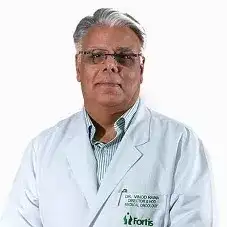 Dr. Vinod Raina Dr. Indraprastha Apollo Hospital 30 yıl deneyim · ★ 4.9
 -
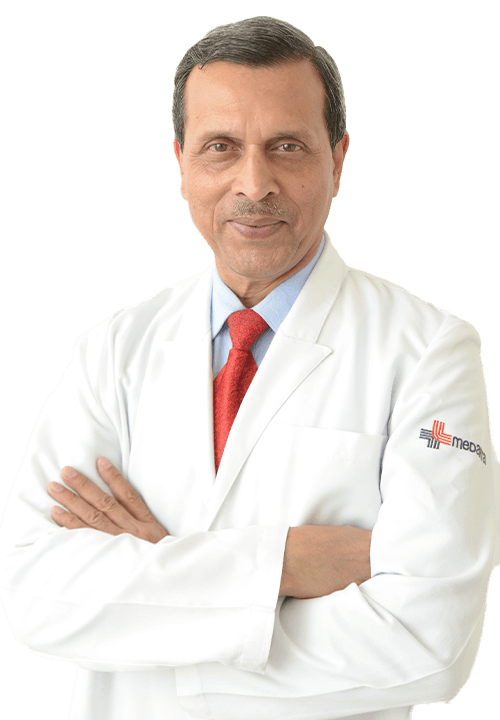 Dr. Arvind Kumar Dr. Medanta - The Medicity 35 yıl deneyim · ★ 4.8
 -
 Dr. Harit Chaturvedi Dr. Max Super Speciality Hospital, Saket 25 yıl deneyim · ★ 4.8
 -
 Gazi Yaşargil Dr. Yeditepe University Hospital
 - Recep Öztürk Dr. Istanbul University Insitute of Oncology
-
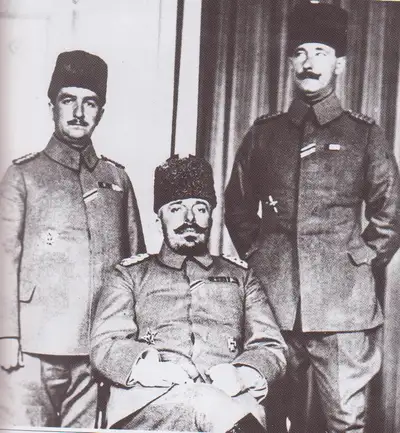 Tevfik Sağlam Dr. Istanbul University Insitute of Oncology
04 · Nereye gidilmeli
Onkoloji için destinasyonlar
| India ülkesinde Onkoloji | 3.339 hastane | Ülke rehberi |
|---|---|---|
| Germany ülkesinde Onkoloji | 2.144 hastane | Ülke rehberi |
| Thailand ülkesinde Onkoloji | 1.429 hastane | Ülke rehberi |
| Turkey ülkesinde Onkoloji | 675 hastane | Ülke rehberi |
| South Korea ülkesinde Onkoloji | 297 hastane | Ülke rehberi |
| Malaysia ülkesinde Onkoloji | 245 hastane | Ülke rehberi |
| Saudi Arabia ülkesinde Onkoloji | 55 hastane | Ülke rehberi |
| Singapore ülkesinde Onkoloji | 53 hastane | Ülke rehberi |
| United Arab Emirates ülkesinde Onkoloji | 50 hastane | Ülke rehberi |
Sonuçlara genel bakış
onkoloji tedavisindeki hastalar genellikle ne görüyor
Bu uzmanlıktaki 59 prosedür genelinde ortalamalar. Vaka yöneticiniz, endikasyonunuza ve seçilen cerraha özgü sonuçları aktaracaktır.
Alt uzmanlıklar
onkoloji kapsamında
Surgical oncology
Tumor resection by organ system — head and neck, breast, GI, GU, gynecologic, sarcoma, hepatobiliary.
Medical oncology
Systemic therapy management — chemotherapy, targeted therapy, immunotherapy. Hormonal therapy where applicable.
Radiation oncology
IMRT, VMAT, SBRT, brachytherapy, proton therapy. Modality choice depends on cancer type and proximity to critical structures.
Hematology / blood cancers
Leukemia, lymphoma, multiple myeloma. Bone marrow transplant and CAR-T for selected cases.
Pediatric oncology
Specialized programs for childhood cancers. Long-term follow-up planning is intense.
Palliative oncology
Quality-of-life-focused care; symptom management when curative intent isn't appropriate.
Program kalitesi
Nelere dikkat edilmeli
- Multidisciplinary tumor board meeting weekly; recommendations in writing.
- Pathology lab capable of full molecular profiling (HER2, EGFR, BRAF, BRCA, MSI, PD-L1, comprehensive genomic profiling).
- Treatment regimens benchmarked against published guidelines for your specific cancer.
- Annual case volume on your specific cancer (not just 'cancer treatment').
- Clinical trial access for relevant indications.
- Supportive care infrastructure (antiemetic protocols, neutropenic support, transfusion access).
- Communication infrastructure for shared care with home oncologist.
Hacim eşikleri
Cerrah hacim kıyaslamaları
| 150+ cases/year on specific cancer | Top-tier; outcomes typically reach published gold-standard ranges |
|---|---|
| 75–150/year | Strong; near-top-tier outcomes |
| 30–75/year | Moderate; outcomes acceptable for routine cases |
| Under 30/year on specific cancer | Lower volume; consider higher-volume program for complex cases |
Destinasyonlar
Bu işlemin yaygın yapıldığı yerler
India
Tata Memorial (Mumbai), HCG (multi-city), Max Cancer Care, Apollo. Strong tumor boards, full molecular workup, cost-effective biosimilars.
Turkey
Anadolu, Acıbadem run JCI-accredited oncology with strong radiation therapy infrastructure including proton centers in development.
Germany
Charité, Heidelberg, Hannover — world-class for proton therapy, complex oncologic surgery, clinical trials access.
Thailand
Bangkok Hospital and Bumrungrad for elective resection and follow-up.
Korea
Asan Medical Center and Samsung run high-volume programs with strong outcomes.
Hasta yolculuğu
Tipik tedavi akışı
Tissue diagnosis + staging
Biopsy, imaging (CT/MRI/PET as relevant), molecular markers, performance status assessment.
Tumor board review
Multidisciplinary discussion: surgery, medical, radiation, pathology, radiology jointly recommend approach.
Treatment plan
Sequence of surgery, systemic therapy, radiation. Goal documented (curative, prolonging, palliative).
Treatment delivery
Per protocol — typically 4-8 chemo cycles + radiation + surgery as relevant. 4–9 months total.
Surveillance
Restaging at 3, 6, 12 months. Tumor markers, imaging. Care continuity to home oncologist.
Sorular
Programa ne sorulmalı
- Has my case been to tumor board, and can I see the recommendation in writing?
- What molecular markers have been tested on my tissue, and which determined the treatment plan?
- What's the goal of this treatment — curative, prolonging, or palliative — and how is success measured?
- What's your annual volume on my specific cancer?
- What's the side-effect profile of this regimen, and what's the supportive-care plan?
- How will my home oncologist receive treatment summary and continue care?
Karar kontrolü
Bu uzmanlık durumunuz için doğru mu?
- Is your diagnosis confirmed with full pathology including molecular markers?
- Has staging been completed?
- Has your case been to tumor board?
- Is your home oncologist willing to coordinate ongoing care?
- Can you commit to a 4-9 month treatment arc with follow-up?
05 · SSS
Yurt dışında Onkoloji hakkında sık sorulan sorular
How do I pick a hospital for Oncology?
Start with three filters: annual case volume for the specific procedure (not the specialty as a whole), the surgeon's personal experience with your condition, and what the follow-up plan looks like for months 3–12 after you're back home. Hospital brand matters less than the specific team you'll be under.
What's the cost difference between countries for oncology?
Cost differences between destinations for oncology can run 3–10× depending on the procedure and the country. The gap is usually driven by surgeon/labor costs and facility overhead rather than technology or outcomes — many mid-cost destinations run the same equipment as premium markets.
Is a second opinion worth it before booking oncology?
For most elective procedures in oncology, yes. A multidisciplinary review often changes the treatment recommendation — sometimes away from surgery, sometimes toward a different approach. We coordinate free second opinions across our partner programs before any travel is booked.
How long should I plan to be abroad for oncology treatment?
Plan for the procedure + the first follow-up to happen before you fly back. Simple procedures can be a 1–2 week trip; complex surgery often needs 3–6 weeks. Your coordinator will give you a date-specific plan once your clinical details are in.
What happens if I have a complication after flying home?
A good program will have a clear follow-up pathway: direct messaging with the surgical team, imaging sharing, and — in the rare case of a serious complication — a pathway for return or for local handoff to a partner hospital. Ask about this specifically before booking; ambiguity here is the single biggest red flag.
Specialty depth
How to shortlist a credible onkoloji specialist
A board certification in onkoloji is the floor, not the ceiling. Senior practice in this field is sub-specialised — the right surgeon for your case is the one whose volume, fellowship, and audit data line up with the specific operation you need.
Sub-specialties to be aware of
Solid-tumour resection — breast, GI, GU, head-and-neck, sarcoma, hepatobiliary. Sub-specialised by organ system at credible centres.
Chemotherapy, immunotherapy, targeted therapy regimens — increasingly biomarker-driven (HER2, EGFR, BRCA, PD-L1, MSI).
External beam (IMRT, VMAT, SBRT), brachytherapy, proton therapy where available, stereotactic radiosurgery for CNS.
Leukaemia, lymphoma, myeloma; allogeneic and autologous stem-cell transplant; CAR-T cell therapy at top-tier centres only.
Neuroblastoma, Wilms', osteosarcoma, paediatric leukaemia/lymphoma — credentialled separately from adult.
How outcomes get measured
- 5-year overall survival, stratified by stage at diagnosis — the only meaningful comparator.
- Disease-free survival and time-to-recurrence for curative-intent treatment.
- R0 resection rate (negative margins) for surgical oncology.
- Treatment-related mortality and major-toxicity rate for systemic therapy.
- Multidisciplinary tumour-board review rate — a credibility signal in itself.
What a credible specialist looks like
- Genuine multidisciplinary tumour boards held weekly with surgery, medical onc, radiation onc, pathology, and radiology in one room.
- In-house molecular pathology — every cancer should be sequenced for actionable mutations before systemic therapy starts.
- Active enrolment in clinical trials (NCCN, ESMO, regional cooperative groups) — not a marketing line, look it up on clinicaltrials.gov.
- Pathology second-read on outside biopsies as default policy, not on request.
Yöntem ve editoryal standartlar
This onkoloji hub draws on 8,287 accredited hospitals running active onkoloji programs across 9 destinations.
- Hastane verileri. Akreditasyon, ruhsat ve olanaklar kamu kayıtlarından (JCI, NABH, sağlık bakanlığı ruhsat listeleri) ve hastane belgelerinden kontrol edilir ve düzenli olarak yeniden doğrulanır.
- Doktor yeterlilikleri. Eğitim ve uzmanlık bilgileri doktorun hastane profilinden ve ulusal tabip odası kayıtlarından alınır.
- Fiyatlar. Fiyat aralıkları reklam fiyatlarından değil, hastanelerin yazılı tekliflerinden ve paketlerinden gelir.
- Klinik metinler. Editör ekibimiz tarafından yazılır ve yayından önce güncel yayımlanmış kılavuzlarla karşılaştırılır.
- Bağımsızlık. Hastaneler sayfalarımızdaki sıralarını değiştirmek için ödeme yapamaz.
Onkoloji tedavisi
onkoloji ile ilgili daha fazlası
Bu sayfa yalnızca bir başlangıç noktası. Bu sayfalarda cerraha, ülkeye, işleme veya hastalığa göre arama yapabilir, kararınıza uygun görünümü seçebilirsiniz.
- Cerrahlar Tüm onkoloji cerrahları Tüm ülkelerdeki cerrah rehberi.
- Hastaneler onkoloji sunan hastaneler Ağımızdaki bu uzmanlık programları.
- Göz at Tüm hastalıklar Hastalıktan uzmanlığa, oradan ilk basamak tedaviye.
- Göz at Tüm işlemler Her işlem için iyileşme süresi ve hastane fiyatları.
- Göz at Tedavi ülkeleri Tedavi maliyeti, hastane programları ve vize rehberleri.
- En iyiler En iyi onkoloji programları Uzmanlık ve ülkeye göre sıralı, yöntemi açıklanmış.
- Karşılaştır Hastane karşılaştırma Akreditasyonlar, yataklar ve fiyatlar yan yana.
- Karşılaştır Doktor karşılaştırma Cerrahlar deneyim, ücret ve dillere göre karşılaştırılır.
- Araç Maliyet hesaplayıcı İşlem ve ülkeye göre hastanelerin bildirdiği fiyatlar.
- Araç Bana uygun olanı bul Üç soruyu yanıtlayın; uzmanlık, ülke ve hastane kısa listesi alın.
- Güven Tıbbi kurul Tıbbi içeriğimizi inceleyen hekimler.
- Eylem Ücretsiz ikinci görüş Bir uzman raporlarınızı ücretsiz inceler.
Sonraki adım · Onkoloji
Vakayı paylaşın. 48 saatte Onkoloji kısa listesi alın.
İlerlemenin üç yolu var. Şu an size uygun olanı seçin.