Especialidade · 8.287 hospitais credenciados
Oncologia
Comprehensive cancer care including surgery, chemotherapy, radiation therapy, and immunotherapy.

- Hospitais
- 8.287Hospitais
- Tratamentos
- 59Tratamentos
- Destinos
- 9Destinos
- A partir de
- $418A partir de
01 · Procedimentos
Tratamentos em Oncologia
- Cirurgia oncológica 7d de internação 4 sem. de recuperação 90% de sucesso Comparar preços
- Radioterapia (IMRT) 0 4 sem. de recuperação Comparar preços
- Terapia com feixe de prótons 0 3 sem. de recuperação 92% de sucesso Comparar preços
- Hepatectomy (Liver Resection) 8d de internação 8 sem. de recuperação 86% de sucesso Comparar preços
- Quimioterapia (por ciclo) 1d de internação 2 sem. de recuperação Comparar preços
- Radiocirurgia CyberKnife 0 1 sem. de recuperação 91% de sucesso Comparar preços
- Brachytherapy (Internal Radiation) 1d de internação 2 sem. de recuperação 88% de sucesso Comparar preços
- Transarterial Chemoembolisation (TACE) 2d de internação 2 sem. de recuperação 70% de sucesso Comparar preços
- Transplante de medula / células-tronco 28d de internação 26 sem. de recuperação 78% de sucesso Comparar preços
- Haploidentical Bone Marrow Transplant 28d de internação 26 sem. de recuperação 60% de sucesso Comparar preços
- Mastectomy + Sentinel Lymph Node Biopsy 2d de internação 4 sem. de recuperação 96% de sucesso Comparar preços
- Lumpectomy (Breast-Conserving Surgery) 1d de internação 3 sem. de recuperação 96% de sucesso Comparar preços
- Breast Reconstruction (DIEP Flap) 5d de internação 8 sem. de recuperação 92% de sucesso Comparar preços
- Breast Reconstruction (Implant-Based) 2d de internação 4 sem. de recuperação 94% de sucesso Comparar preços
- Radical Cystectomy 9d de internação 10 sem. de recuperação 88% de sucesso Comparar preços
- Terapia celular CAR-T 14d de internação 13 sem. de recuperação 70% de sucesso Comparar preços
- Distal Pancreatectomy 8d de internação 7 sem. de recuperação 88% de sucesso Comparar preços
- Total Gastrectomy 8d de internação 8 sem. de recuperação 86% de sucesso Comparar preços
- Subtotal Gastrectomy 7d de internação 6 sem. de recuperação 90% de sucesso Comparar preços
- Esophagectomy 12d de internação 10 sem. de recuperação 80% de sucesso Comparar preços
- Lobectomy (Lung) 6d de internação 6 sem. de recuperação 92% de sucesso Comparar preços
- Pneumonectomy 8d de internação 7 sem. de recuperação 85% de sucesso Comparar preços
- Cirurgia de Whipple (duodenopancreatectomia) 14d de internação 13 sem. de recuperação 82% de sucesso Comparar preços
- Hepatic Trisegmentectomy 10d de internação 10 sem. de recuperação 82% de sucesso Comparar preços
- Colectomy (Colon Resection) 6d de internação 5 sem. de recuperação 92% de sucesso Comparar preços
- Low Anterior Resection (Rectum) 7d de internação 6 sem. de recuperação 90% de sucesso Comparar preços
- Abdominoperineal Resection (APR) 8d de internação 7 sem. de recuperação 88% de sucesso Comparar preços
- Total Mesorectal Excision (TME) 7d de internação 6 sem. de recuperação 90% de sucesso Comparar preços
- Cytoreductive Surgery + HIPEC 14d de internação 10 sem. de recuperação 65% de sucesso Comparar preços
- Mastectomia com reconstrução 5d de internação 9 sem. de recuperação 95% de sucesso Comparar preços
- Neck Dissection (Lymphadenectomy) 4d de internação 4 sem. de recuperação 92% de sucesso Comparar preços
- Glossectomy (Tongue Cancer Resection) 7d de internação 6 sem. de recuperação 86% de sucesso Comparar preços
- Laryngectomy 9d de internação 8 sem. de recuperação 84% de sucesso Comparar preços
- Adjuvant Chemotherapy (per cycle) 0 1 sem. de recuperação Comparar preços
- Hormone Therapy (Prostate / Breast) 0 1 sem. de recuperação Comparar preços
- Prostatectomia radical robótica 3d de internação 4 sem. de recuperação 93% de sucesso Comparar preços
- Ressecção hepática 10d de internação 9 sem. de recuperação 88% de sucesso Comparar preços
- Cirurgia de cabeça e pescoço 12d de internação 9 sem. de recuperação 84% de sucesso Comparar preços
- Tireoidectomia 2d de internação 2 sem. de recuperação 97% de sucesso Comparar preços
- Total Thyroidectomy (Cancer) 2d de internação 3 sem. de recuperação 96% de sucesso Comparar preços
- IMRT (Intensity-Modulated Radiation Therapy) 0 2 sem. de recuperação 88% de sucesso Comparar preços
- IGRT (Image-Guided Radiation Therapy) 0 2 sem. de recuperação 89% de sucesso Comparar preços
- Stereotactic Radiosurgery (SRS / Gamma Knife) 1d de internação 1 sem. de recuperação 92% de sucesso Comparar preços
- TomoTherapy 0 2 sem. de recuperação 89% de sucesso Comparar preços
- Y-90 Radioembolisation (SIRT) for Liver Tumours 2d de internação 3 sem. de recuperação 75% de sucesso Comparar preços
- Radiofrequency Ablation (RFA) for Tumours 1d de internação 2 sem. de recuperação 78% de sucesso Comparar preços
- Microwave Ablation for Tumours 1d de internação 2 sem. de recuperação 80% de sucesso Comparar preços
- Autologous Bone Marrow Transplant 21d de internação 17 sem. de recuperação 75% de sucesso Comparar preços
- Allogeneic Bone Marrow Transplant 28d de internação 26 sem. de recuperação 65% de sucesso Comparar preços
- Radical Prostatectomy (Robotic) 2d de internação 5 sem. de recuperação 95% de sucesso Comparar preços
- TURBT (Transurethral Resection of Bladder Tumour) 2d de internação 2 sem. de recuperação 92% de sucesso Comparar preços
- Whipple Procedure (Pancreaticoduodenectomy) 12d de internação 10 sem. de recuperação 78% de sucesso Comparar preços
- VATS (Video-Assisted Thoracic Surgery) Lobectomy 5d de internação 5 sem. de recuperação 93% de sucesso Comparar preços
- Robotic Hysterectomy (Cancer) 3d de internação 5 sem. de recuperação 94% de sucesso Comparar preços
- Radical Nephrectomy (Robotic) 3d de internação 4 sem. de recuperação 95% de sucesso Comparar preços
- Tumour Port Placement (Chemo Port) 0 1 sem. de recuperação 98% de sucesso Comparar preços
- Targeted Therapy (Trastuzumab / Imatinib course) 0 2 sem. de recuperação Comparar preços
- Immunotherapy (PD-1 / PD-L1 course) 0 2 sem. de recuperação Comparar preços
- MOHS Micrographic Skin Cancer Surgery 0 2 sem. de recuperação 99% de sucesso Comparar preços
02 · Hospitais em destaque
Centros de excelência em Oncologia
-
 ISO 9001JCINABH Indraprastha Apollo Hospital New Delhi, India ★ 4.9 · 520 avaliações Orçamentos a partir de $488 Ver
 -
 HAISO 9001JCI Bumrungrad International Bangkok, Thailand ★ 4.8 · 640 avaliações Orçamentos a partir de $481 Ver
 -
 ISO 9001JCIKOIHA Asan Medical Center Seoul, South Korea ★ 4.8 · 410 avaliações Orçamentos a partir de $463 Ver
 -
 ISO 9001JCINABH Medanta - The Medicity Gurugram, India ★ 4.7 · 412 avaliações Orçamentos a partir de $494 Ver
 -
 DHADOHJCI Cleveland Clinic Abu Dhabi Abu Dhabi, United Arab Emirates ★ 4.7 · 395 avaliações Orçamentos a partir de $418 Ver
 -
 ISO 9001JCI Mount Elizabeth Hospital Singapore, Singapore ★ 4.7 · 380 avaliações Orçamentos a partir de $546 Ver
03 · Cirurgiões
Cirurgiões especializados em Oncologia
-
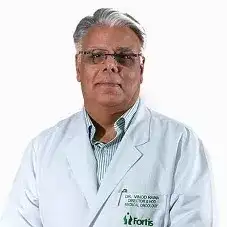 Dr. Vinod Raina Dr. Indraprastha Apollo Hospital 30 anos de experiência · ★ 4.9
 -
 Dr. Arvind Kumar Dr. Medanta - The Medicity 35 anos de experiência · ★ 4.8
 -
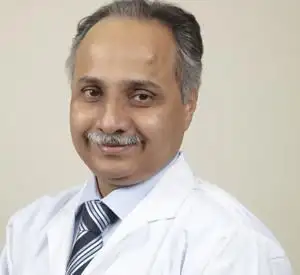 Dr. Harit Chaturvedi Dr. Max Super Speciality Hospital, Saket 25 anos de experiência · ★ 4.8
 -
 Gazi Yaşargil Dr. Yeditepe University Hospital
 - Recep Öztürk Dr. Istanbul University Insitute of Oncology
-
 Tevfik Sağlam Dr. Istanbul University Insitute of Oncology
04 · Para onde ir
Destinos para Oncologia
| Oncologia em India | 3.339 hospitais | Guia do país |
|---|---|---|
| Oncologia em Germany | 2.144 hospitais | Guia do país |
| Oncologia em Thailand | 1.429 hospitais | Guia do país |
| Oncologia em Turkey | 675 hospitais | Guia do país |
| Oncologia em South Korea | 297 hospitais | Guia do país |
| Oncologia em Malaysia | 245 hospitais | Guia do país |
| Oncologia em Saudi Arabia | 55 hospitais | Guia do país |
| Oncologia em Singapore | 53 hospitais | Guia do país |
| Oncologia em United Arab Emirates | 50 hospitais | Guia do país |
Resultados em destaque
O que os pacientes de oncologia costumam observar
Médias dos 59 procedimentos nesta especialidade. Seu gestor de caso fornecerá resultados específicos para sua indicação e o cirurgião escolhido.
Diretrizes das sociedades médicas · edição atual
Sub-especialidades
Dentro de oncologia
Surgical oncology
Tumor resection by organ system — head and neck, breast, GI, GU, gynecologic, sarcoma, hepatobiliary.
Medical oncology
Systemic therapy management — chemotherapy, targeted therapy, immunotherapy. Hormonal therapy where applicable.
Radiation oncology
IMRT, VMAT, SBRT, brachytherapy, proton therapy. Modality choice depends on cancer type and proximity to critical structures.
Hematology / blood cancers
Leukemia, lymphoma, multiple myeloma. Bone marrow transplant and CAR-T for selected cases.
Pediatric oncology
Specialized programs for childhood cancers. Long-term follow-up planning is intense.
Palliative oncology
Quality-of-life-focused care; symptom management when curative intent isn't appropriate.
Qualidade do programa
O que procurar
- Multidisciplinary tumor board meeting weekly; recommendations in writing.
- Pathology lab capable of full molecular profiling (HER2, EGFR, BRAF, BRCA, MSI, PD-L1, comprehensive genomic profiling).
- Treatment regimens benchmarked against published guidelines for your specific cancer.
- Annual case volume on your specific cancer (not just 'cancer treatment').
- Clinical trial access for relevant indications.
- Supportive care infrastructure (antiemetic protocols, neutropenic support, transfusion access).
- Communication infrastructure for shared care with home oncologist.
Limiares de volume
Referências de volume do cirurgião
| 150+ cases/year on specific cancer | Top-tier; outcomes typically reach published gold-standard ranges |
|---|---|
| 75–150/year | Strong; near-top-tier outcomes |
| 30–75/year | Moderate; outcomes acceptable for routine cases |
| Under 30/year on specific cancer | Lower volume; consider higher-volume program for complex cases |
Destinos
Onde isso é comumente realizado
India
Tata Memorial (Mumbai), HCG (multi-city), Max Cancer Care, Apollo. Strong tumor boards, full molecular workup, cost-effective biosimilars.
Turkey
Anadolu, Acıbadem run JCI-accredited oncology with strong radiation therapy infrastructure including proton centers in development.
Germany
Charité, Heidelberg, Hannover — world-class for proton therapy, complex oncologic surgery, clinical trials access.
Thailand
Bangkok Hospital and Bumrungrad for elective resection and follow-up.
Korea
Asan Medical Center and Samsung run high-volume programs with strong outcomes.
Jornada do paciente
O fluxo de cuidados típico
Tissue diagnosis + staging
Biopsy, imaging (CT/MRI/PET as relevant), molecular markers, performance status assessment.
Tumor board review
Multidisciplinary discussion: surgery, medical, radiation, pathology, radiology jointly recommend approach.
Treatment plan
Sequence of surgery, systemic therapy, radiation. Goal documented (curative, prolonging, palliative).
Treatment delivery
Per protocol — typically 4-8 chemo cycles + radiation + surgery as relevant. 4–9 months total.
Surveillance
Restaging at 3, 6, 12 months. Tumor markers, imaging. Care continuity to home oncologist.
Perguntas
O que perguntar ao programa
- Has my case been to tumor board, and can I see the recommendation in writing?
- What molecular markers have been tested on my tissue, and which determined the treatment plan?
- What's the goal of this treatment — curative, prolonging, or palliative — and how is success measured?
- What's your annual volume on my specific cancer?
- What's the side-effect profile of this regimen, and what's the supportive-care plan?
- How will my home oncologist receive treatment summary and continue care?
Verificação de decisão
Esta especialidade é adequada para o seu caso?
- Is your diagnosis confirmed with full pathology including molecular markers?
- Has staging been completed?
- Has your case been to tumor board?
- Is your home oncologist willing to coordinate ongoing care?
- Can you commit to a 4-9 month treatment arc with follow-up?
05 · Perguntas frequentes
Perguntas comuns sobre Oncologia no exterior
How do I pick a hospital for Oncology?
Start with three filters: annual case volume for the specific procedure (not the specialty as a whole), the surgeon's personal experience with your condition, and what the follow-up plan looks like for months 3–12 after you're back home. Hospital brand matters less than the specific team you'll be under.
What's the cost difference between countries for oncology?
Cost differences between destinations for oncology can run 3–10× depending on the procedure and the country. The gap is usually driven by surgeon/labor costs and facility overhead rather than technology or outcomes — many mid-cost destinations run the same equipment as premium markets.
Is a second opinion worth it before booking oncology?
For most elective procedures in oncology, yes. A multidisciplinary review often changes the treatment recommendation — sometimes away from surgery, sometimes toward a different approach. We coordinate free second opinions across our partner programs before any travel is booked.
How long should I plan to be abroad for oncology treatment?
Plan for the procedure + the first follow-up to happen before you fly back. Simple procedures can be a 1–2 week trip; complex surgery often needs 3–6 weeks. Your coordinator will give you a date-specific plan once your clinical details are in.
What happens if I have a complication after flying home?
A good program will have a clear follow-up pathway: direct messaging with the surgical team, imaging sharing, and — in the rare case of a serious complication — a pathway for return or for local handoff to a partner hospital. Ask about this specifically before booking; ambiguity here is the single biggest red flag.
Specialty depth
How to shortlist a credible oncologia specialist
A board certification in oncologia is the floor, not the ceiling. Senior practice in this field is sub-specialised — the right surgeon for your case is the one whose volume, fellowship, and audit data line up with the specific operation you need.
Sub-specialties to be aware of
Solid-tumour resection — breast, GI, GU, head-and-neck, sarcoma, hepatobiliary. Sub-specialised by organ system at credible centres.
Chemotherapy, immunotherapy, targeted therapy regimens — increasingly biomarker-driven (HER2, EGFR, BRCA, PD-L1, MSI).
External beam (IMRT, VMAT, SBRT), brachytherapy, proton therapy where available, stereotactic radiosurgery for CNS.
Leukaemia, lymphoma, myeloma; allogeneic and autologous stem-cell transplant; CAR-T cell therapy at top-tier centres only.
Neuroblastoma, Wilms', osteosarcoma, paediatric leukaemia/lymphoma — credentialled separately from adult.
How outcomes get measured
- 5-year overall survival, stratified by stage at diagnosis — the only meaningful comparator.
- Disease-free survival and time-to-recurrence for curative-intent treatment.
- R0 resection rate (negative margins) for surgical oncology.
- Treatment-related mortality and major-toxicity rate for systemic therapy.
- Multidisciplinary tumour-board review rate — a credibility signal in itself.
What a credible specialist looks like
- Genuine multidisciplinary tumour boards held weekly with surgery, medical onc, radiation onc, pathology, and radiology in one room.
- In-house molecular pathology — every cancer should be sequenced for actionable mutations before systemic therapy starts.
- Active enrolment in clinical trials (NCCN, ESMO, regional cooperative groups) — not a marketing line, look it up on clinicaltrials.gov.
- Pathology second-read on outside biopsies as default policy, not on request.
Metodologia e padrões editoriais
This oncologia hub draws on 8,287 accredited hospitals running active oncologia programs across 9 destinations.
- Dados dos hospitais. Acreditações, licenças e instalações são verificadas em registros públicos (JCI, NABH, listas de licenças dos ministérios da saúde) e em documentos dos hospitais, e revisadas regularmente.
- Credenciais dos médicos. Formação e especialidade vêm do perfil do médico no hospital e dos registros dos conselhos de medicina nacionais.
- Preços. As faixas de preço vêm de orçamentos e pacotes por escrito dos hospitais, não de preços de publicidade.
- Textos clínicos. Escritos pela nossa equipe editorial e conferidos com as diretrizes publicadas atuais antes de irem ao ar.
- Independência. Os hospitais não podem pagar para mudar a sua posição nas nossas páginas.
Cuidados em Oncologia
Continue explorando oncologia
Esta página é só uma porta de entrada. Estas páginas permitem buscar por cirurgião, destino, procedimento ou condição, conforme a decisão que você precisa tomar.
- Cirurgiões Todos os cirurgiões de oncologia Diretório de cirurgiões em todos os destinos.
- Hospitais Hospitais que oferecem oncologia Programas desta especialidade em nossa rede.
- Explorar Todas as condições Da condição à especialidade e ao tratamento de primeira linha.
- Explorar Todos os procedimentos Tempo de recuperação e preços hospitalares por procedimento.
- Explorar Países de destino Custo do tratamento, programas hospitalares e guias de visto.
- Os melhores Melhores programas de oncologia Classificados por especialidade e país, com a metodologia explicada.
- Comparar Comparar hospitais Acreditações, leitos e preços lado a lado.
- Comparar Comparar médicos Cirurgiões comparados por experiência, honorários e idiomas.
- Ferramenta Calculadora de custos Preços informados pelos hospitais por procedimento e destino.
- Ferramenta Triagem personalizada Responda três perguntas e receba uma seleção de especialidade, destino e hospitais.
- Confiança Conselho médico Médicos que revisam nosso conteúdo médico.
- Ação Segunda opinião gratuita Um especialista analisa seus exames, sem custo.
Próximo passo · Oncologia
Compartilhe seu caso. Receba uma lista de Oncologia em 48 horas.
Três caminhos possíveis. Escolha o que faz sentido para você agora.