🇮🇳 India · Pôle urbain
Hôpitaux à Mumbai
50 hôpitaux accrédités in Mumbai, India accueillant des patients internationaux dans 12 spécialités. Comparez les établissements, les tarifs et les profils de médecins.
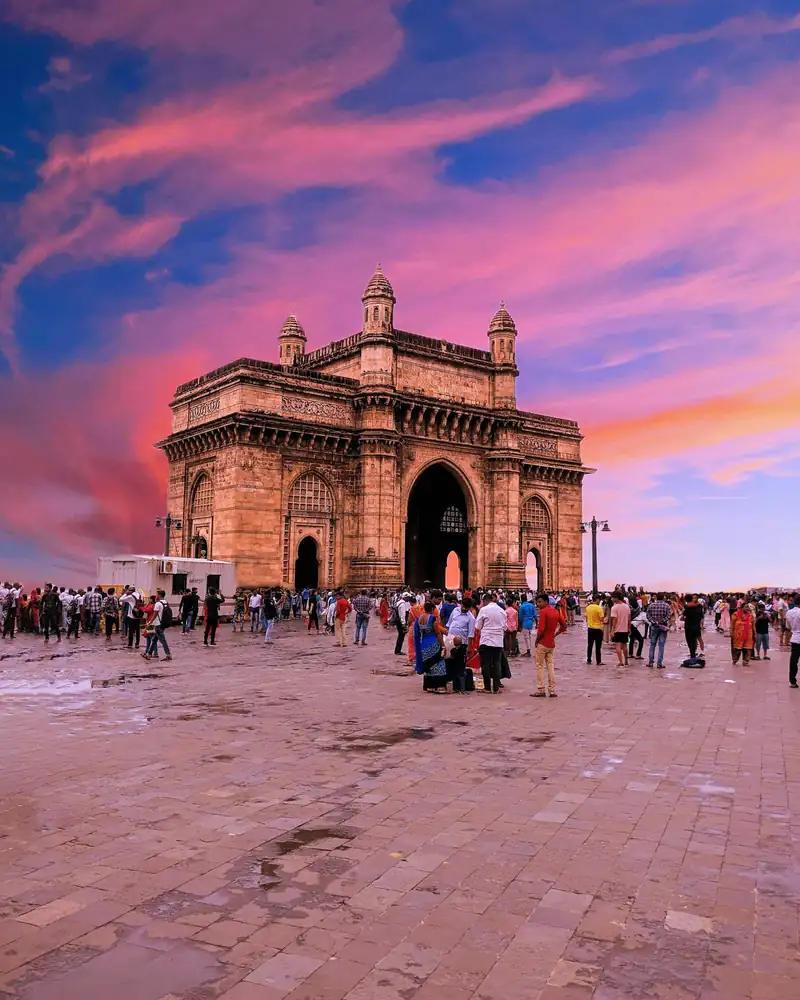
- Hôpitaux
- 50Hôpitaux
- Spécialités
- 12Spécialités
Dernière mise à jour: Nos sources et notre relecture
La ville en un coup d'œil
Informations pratiques pour planifier
- Aéroport le plus procheBOMChhatrapati Shivaji Intl
- LanguesMarathiHindi · English
- Fuseau horaireISTUTC+5:30
- DeviseINR ₹Bureau de change + distributeurs à l'aéroport
- Meilleure périodeNov–Febavoid Jun–Sep monsoon
Votre coordinateur de cas organise le transfert depuis l'aéroport, un hébergement adapté à la convalescence près de l'hôpital et une carte SIM locale si nécessaire. Les services de traduction sont inclus dans chaque devis — sans frais supplémentaires.
01 · Spécialités proposées
Ce pour quoi Mumbai est connue

03 · Répertoire complet
Tous les hôpitaux à Mumbai
- 07 Paramount General Hospital and ICCU
- 08 Seven Star Multispeciality Hospital
- 09 Bhatia Hospital
- 10 Bhabha Atomic Research Center Hospital
- 11 RG Stone Urology & Laparoscopy Hospital
- 12 S.L. Raheja Hospital
- 13 Sushrut Hospital and Research Centre
- 14 Lifeline Hospital, Mumbai
- 15 Surya Eye Institute and Research Centre
- 16 Kurla Municipal Hospital
- 17 Rushabh Eye Hospital and Laser Centre
- 18 Jyotirmay Eye Clinic
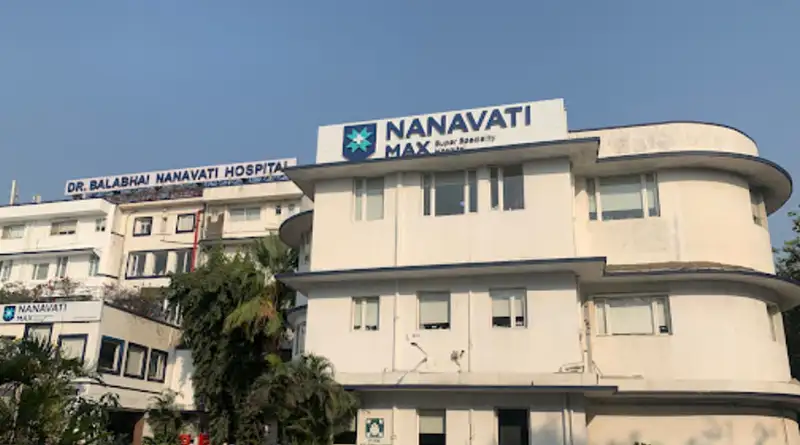
- 19 Balabhai Nanavati Hospital
- 20 Dr Maitreyee Parulekar
- 21 B.D. Petit Parsee General Hospital
- 22 Holy Family Hospital, Mumbai
- 23 Bhabha Hospital
- 24 Holy Spirit Hospital
- 25 Advanced Eye Hospital and Institute
- 26 Lilavati Hospital and Research Centre
- 27 Masina Hospital
- 28 Niramaya General Hospital
- 29 Swastik Hospital and Research Centre, Mumbai
- 30 Nayak Medicare - Chembur
- 31 Ojas Eye Hospital
- 32 Amruta Surgical and Maternity Home
- 33 Zynova Heart Hospital
- 34 Riddhivinayak Critical Care and Cardiac Centre
- 35 Zenith Hospital, Malad West
- 36 Dr.Mukhi's Raj Hospital
- 37 Centre For Sight, Juhu
- 38 Surana Sethia Hospital And Research Centre
- 39 DNA Multispeciality Hospital - Mumbai
- 40 Speciality Ear Nose Throat Hospital
- 41 RG Stone Urology and Laparoscopy Hospital, Khar
- 42 Orbit Eye Hospital, Mumbai
- 43 Aditi Hospital, Kandivali
- 44 Sehgal Path Lab
- 45 Platinum Hospitals
- 46 The Children's Hospital Mumbai - Best child specialist in Mumbai
- 47 Dr Mudit Khanna
- 48 Auro Skin Clinic
- 49 Bombay Hospital and Medical Research Center
- 50 M J Speciality Clinic - Dr Manoj Jain
Plus en India
Autres villes hospitalières en India
Comparez Mumbai avec les autres villes de tourisme médical en India.
Travel + recovery
Getting to India and recovering well
India offers a 60-day double-entry e-medical visa to citizens of 165+ countries, processed in 72 hours via the official indianvisaonline.gov.in portal. Two attendants on e-medical-attendant visas can travel with the patient. The hospital's international patient department issues the invitation letter once your case manager confirms the booking — that's the single document the consulate needs.
Indira Gandhi International (DEL), Mumbai (BOM), Chennai (MAA), Bengaluru (BLR), and Cochin (COK) host direct connectivity from the GCC, the Gulf states, the UK, Singapore, Bangkok, Kuala Lumpur, and most major US gateways via single-stop. Air India, Vistara, Emirates, Etihad, Qatar Airways, and Singapore Airlines run dense schedules — typical total transit from London is 9 hours, from Dubai 3 hours, from JFK 14-16 hours single-stop.
Recovery hospitality is mature — most flagship hospitals (Medanta, Apollo, Fortis Memorial) maintain partner hotels within walking distance with medical-grade housekeeping (sterile linens, low-allergen cleaning, in-room nursing where requested). Plan 10-21 days between discharge and flight home for post-op clearance.
Delhi-NCR runs hot and dry March-June, monsoon July-September, and crisp October-February. Air-quality (AQI) is poor November-January in the north — patients with respiratory comorbidities should travel to South India (Chennai, Bangalore, Kochi) during those months. Mumbai is humid year-round, Bengaluru is moderate.
Guide pratique de la ville
Guide pratique de Mumbai
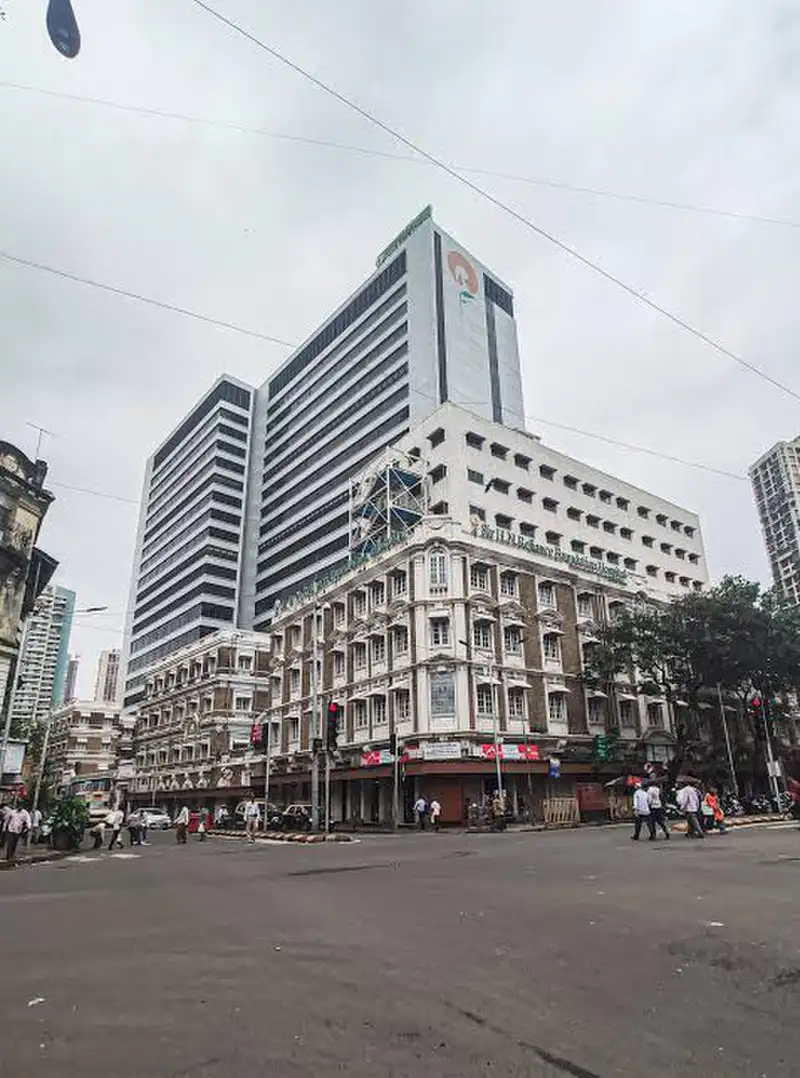
Mumbai's healthcare infrastructure is unusually dense for a single city. Major facilities include Tata Memorial (the country's leading cancer hospital), Kokilaben Hospital, Lilavati, Hinduja, Bombay Hospital, Sir HN Reliance Foundation, and Wockhardt. International patient services are strongly developed.
Strengths skew toward oncology (Tata Memorial is among the world's largest cancer hospitals), cardiology, and orthopedics. Pediatric cardiac and complex congenital cases also concentrate here.
Mumbai is the most cosmopolitan Indian city — English is the primary language at hospitals and in business areas. Travel logistics are smoother than Delhi for many international patients, though traffic can be intense.
Concentrations d'hôpitaux par quartier
Bandra-Kurla Complex (BKC)
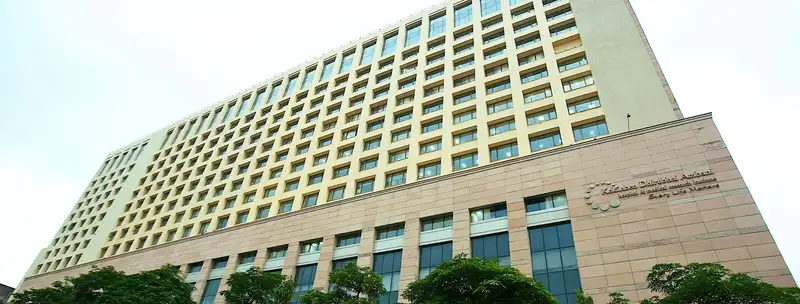
Kokilaben Dhirubhai Ambani Hospital — flagship multi-specialty.
Bandra West (Ali Yavar Jung Marg)
Lilavati Hospital — Cardiac, neuro, oncology.
Mahim / Worli
Hinduja Hospital, Sir HN Reliance Foundation Hospital.
South Mumbai (Marine Drive)
Bombay Hospital, Jaslok Hospital, Saifee Hospital.
Parel (Tata Memorial Hospital)
Tata Memorial — leading cancer center; Wadia Hospital (pediatric).
Andheri / Goregaon
Kokilaben (BKC main + Andheri offshoot), Holy Spirit.
Aéroport + transports
Aéroport : Chhatrapati Shivaji Maharaj International (BOM) — major international hub.
Airport to BKC: 20–40 min. Airport to South Mumbai: 45–90 min depending on traffic. Airport to Bandra: 25–45 min.
Use prepaid taxi at airport or pre-arranged hospital pickup. Mumbai traffic varies enormously by time of day; avoid 8-11am and 5-9pm if possible.
Climat
Hot/humid year-round (24-35°C). Monsoon June-September brings heavy rain and flooding risk. November-February is cooler and drier — ideal for recovery. Summer (March-May) is hot but tolerable indoors.
Où séjourner pendant la convalescence
Bandra West
Premium hotels (Taj Lands End, Sahara Star), upscale neighborhood, close to Lilavati/Kokilaben. Walking-friendly with parks.
BKC (Bandra-Kurla Complex)
Hyatt Regency, Trident BKC, Sofitel — modern premium hotels close to Kokilaben.
Worli / Lower Parel
Four Seasons, ITC Grand Central. Quieter than central Mumbai, good for recovery.
Powai
Renaissance Mumbai, ITC Maratha. Good for Hiranandani Hospital and Andheri-area facilities.
Activités adaptées à la convalescence
- Marine Drive promenade — flat 3.5 km walk along the Arabian Sea.
- Bandstand promenade (Bandra) — walking and views.
- Worli Sea Face — quiet promenade for light walking.
- Kala Ghoda art district — galleries and cafés, low-impact.
- Crawford Market / Colaba Causeway — shopping at gentle pace.
- Hanging Gardens (Malabar Hill) — peaceful, hilltop park.
- Sanjay Gandhi National Park (Borivali) — nature with wheelchair-accessible paths in some areas.
Restauration + hébergement
Restauration : Multicultural — Mumbai has India's most diverse food scene. International chains, regional Indian, and global cuisine. Hospital food is excellent at premium facilities. Dietary restrictions accommodated.
Hébergement : Premium ($250-500): Taj Lands End, Four Seasons, Hyatt Regency BKC, Trident BKC. Mid-tier ($100-200): Sofitel BKC, Holiday Inn. Service apartments common in Bandra and Powai.
Notes pratiques
Cosmopolitan and English-friendly. Cards widely accepted. Auto-rickshaws and taxis abundant. Avoid local trains during peak hours (overcrowded). Air quality better than Delhi but still moderate. Bottled water.
Méthodologie et règles éditoriales
Cette présentation du tourisme médical à Mumbai est constituée à partir des hôpitaux accrédités actuellement actifs, des vérifications de credentials des chirurgiens et des données de connectivité aérienne vérifiées. Les recommandations climatiques et la fenêtre de convalescence s'appuient sur l'expérience des coordinateurs de cas qui accompagnent des patients à Mumbai tout au long de l'année.
- Données des hôpitaux. Accréditations, autorisations et équipements sont vérifiés dans les registres publics (JCI, NABH, listes des ministères de la santé) et les documents des hôpitaux, puis revérifiés régulièrement.
- Qualifications des médecins. Diplômes et spécialité proviennent du profil du médecin sur le site de l'hôpital et des registres des ordres médicaux nationaux.
- Prix. Les fourchettes de prix proviennent de devis et de forfaits écrits des hôpitaux, pas de tarifs publicitaires.
- Textes médicaux. Rédigés par notre équipe éditoriale et vérifiés par rapport aux recommandations publiées avant la mise en ligne.
- Indépendance. Les hôpitaux ne peuvent pas payer pour changer leur position sur nos pages.
Prochaine étape · Mumbai
Nous sommes prêts quand vous l'êtes.
Trois façons d'avancer. Choisissez celle qui vous convient maintenant.
Tourisme médical à Mumbai
Explorez Mumbai selon votre situation
Les mêmes hôpitaux, différentes approches. Choisissez l'angle qui correspond à votre décision — destination, spécialité, chirurgien ou logistique de visa.
- Hôpitaux Tous les hôpitaux à Mumbai 50 programmes à Mumbai, avec photos et tarifs.
- Destination Pôle hospitalier India Programmes phares et références tarifaires dans India.
- Visa Visa médical India Documents requis, délais de traitement, conseils consulaires.
- Spécialité Ophthalmology à Mumbai 75 hôpitaux accrédités pour ophthalmology.
- Spécialité Soins Pediatric Surgery 69 hôpitaux avec tarifs pour cette spécialité.
- Spécialité Pôle GI Surgery 68 programmes avec accréditations pertinentes.
- Explorer Les 88 procédures Fourchettes de coûts, durée de convalescence et taux de succès par procédure.
- Explorer Toutes les destinations Comparez 9 pays de tourisme médical.
- Comparer Comparaison d'hôpitaux Accréditations, notes, lits et tarifs en vis-à-vis.
- Outil Calculateur de coûts Tarifs communiqués par les hôpitaux selon les procédures et destinations.
- Outil Triage personnalisé Trois questions, obtenez une spécialité + destination + sélection de 3 hôpitaux.
- Action Deuxième avis gratuit Évaluation indépendante de votre cas en 48 heures — sans frais.