Coût de Brachytherapy (Internal Radiation) à l'étranger (2026)
Brachytherapy (Internal Radiation) coûte à partir d'environ $10,200 en Inde, jusqu'à $39,800 en Allemagne. Prix d'hôpitaux typiques issus de 72 relevés de prix dans 9 pays. Choisissez un pays pour voir ses hôpitaux, ses chirurgiens et les démarches de visa.
- 1 nuits à l'hôpital
- 14 jours jusqu'au rétablissement complet
- 9 pays comparés
- 88% taux de réussite rapporté
Les prix indiqués sont des fourchettes issues de notre base de données d'hôpitaux, pas un devis final. Comment nous vérifions
Estimez votre coût total
Choisissez vos options. Le prix se met à jour immédiatement.
Le forfait hospitalier correspond à la fourchette de prix typique sur 8 prix d'hôpitaux.
Les choix de chambre et d'implant utilisent des ajustements approximatifs (est.). Repas à environ $15 par personne et par jour. Vols non inclus.
Obtenir 3 devis réels pour cette estimationMeilleurs hôpitaux pour Brachytherapy (Internal Radiation) par pays
Comment nous classonsClassement selon l'accréditation, la note des patients et le nombre d'avis, puis le prix.
-
 1 Indraprastha Apollo HospitalNew Delhi · India · ISO 9001 · JCI · NABH · ★ 4.9À partir de$6,340$6,340 – $13,660 2 médecins référencés Accrédité JCI
-
 2 Bumrungrad InternationalBangkok · Thailand · HA · ISO 9001 · JCI · ★ 4.8À partir de$8,310$8,310 – $17,910 Accrédité JCI
-
 3 Asan Medical CenterSeoul · South Korea · ISO 9001 · JCI · KOIHA · ★ 4.8À partir de$12,040$12,040 – $25,930 21 médecins référencés Accrédité JCI
-
 4 Cleveland Clinic Abu DhabiAbu Dhabi · United Arab Emirates · DHA · DOH · JCI · ★ 4.7À partir de$13,740$13,740 – $29,600 Accrédité JCI
-
 5 Mount Elizabeth HospitalSingapore · Singapore · ISO 9001 · JCI · ★ 4.7À partir de$15,780$15,780 – $34,000 Accrédité JCI
-
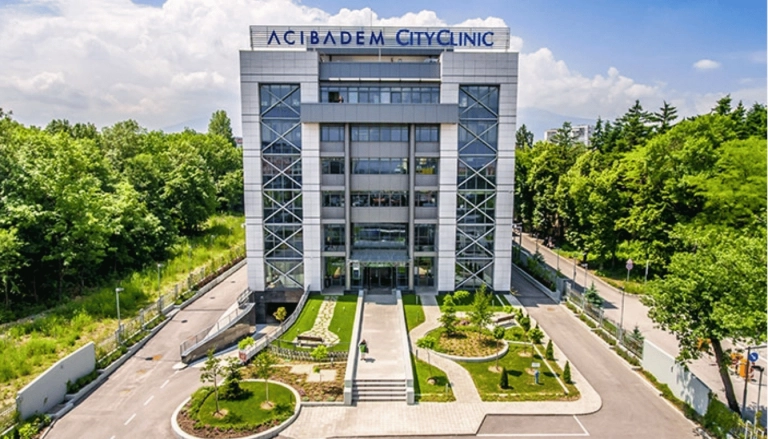 6 Acıbadem Maslak HospitalIstanbul · Turkey · ISO 9001 · JCI · ★ 4.6À partir de$9,500$9,500 – $20,460 Accrédité JCI
Recevez le rapport coûts et préparation : Brachytherapy (Internal Radiation)
Un PDF gratuit basé sur les prix affichés aujourd'hui. Gardez-le, imprimez-le ou envoyez-le à votre famille sur WhatsApp.
Contenu du rapport
- Prix par pays, ville et hôpital, comparés à ceux de votre pays
- Budget total du voyage : traitement, séjour, repas, visa
- Calendrier jour par jour et étapes de la convalescence
- Résumé du visa, liste de préparation et questions à poser
- Traitement (prix affiché habituel) 88% $10,200
- Hébergement 6% $700
- Repas 4% $400
- Transports locaux 1% $100
- Frais de visa 1% $150
- Total estimé$11,600
Source : medcasts.com · prix à jour de mai 2026
Obtenez un deuxième avis gratuit sous 48 heures.
Envoyez vos scans et comptes rendus. Un spécialiste senior les examine et vous répond par écrit.
Meilleurs chirurgiens pour Brachytherapy (Internal Radiation)
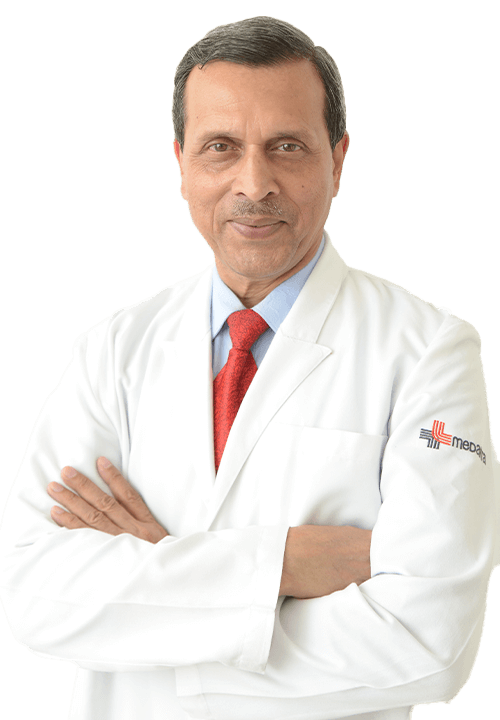
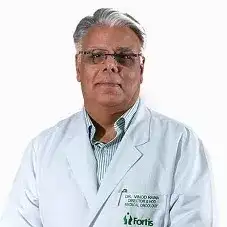
Prix de Brachytherapy (Internal Radiation) par pays
Prix d'hôpital typique par pays, d'après 72 relevés de prix dans la base de données Medcasts.
Ce qu'un devis d'hôpital inclut généralement
- Chirurgien, anesthésie et bloc opératoire
- Environ 1 nuits à l'hôpital, avec soins infirmiers
- Examens de routine et médicaments pendant le séjour
- Coordinateur Medcasts gratuit, aide pour la lettre de visa et organisation de l'accueil à l'aéroport
- Non inclus : vols et hôtel après la sortie
Chaque devis que nous envoyons détaille ligne par ligne ce qui est inclus ou non.
Votre programme de rétablissement
- Days 1–3Mild soreness, urinary frequency or a catheter may occur; most patients are home within a day or two.
- Weeks 1–4Urinary irritation or bowel urgency is common; simple medicines can help, and light activity resumes.
- Months 2–3Side effects usually ease as radiation effect settles; a first review checks symptoms and tumour markers.
- Months 6–12Tumour markers or scans show treatment response, with follow-up continuing for years.
Délais de visa médical par destination
Délai de traitement du visa par destination
Nous envoyons la lettre d'invitation de l'hôpital dans les 24 heures suivant votre décision. Vérifiez votre visa
À propos de Brachytherapy (Internal Radiation)
The source is delivered through needles, catheters or an applicator guided by ultrasound, CT or MRI. Low-dose-rate treatment leaves tiny seeds in place permanently, while high-dose-rate treatment passes a source through the catheters for a few minutes and then removes it. It may be the sole treatment or a boost alongside external beam radiotherapy, and the choice depends on the cancer type, size and stage.
Brachytherapy aims to control the tumour locally, and results depend heavily on cancer stage and grade, how well the source is positioned, and the experience of the radiation oncologist and physicist planning the dose. Side effects tend to be confined to nearby organs, such as urinary or bowel irritation after prostate treatment, and many settle over weeks to months. Your team will explain what to expect for your specific cancer.
Most people spend one to a few days in hospital, and high-dose-rate schedules may need several visits over days or weeks, so ask how long to plan to stay. Bring your scans and pathology reports. After permanent seeds, you may get short-term radiation-safety advice about contact with children and pregnant women. Arrange follow-up scans and blood tests with your doctor at home.
Généralement adapté si
- Early-stage prostate cancer, or cervical and other pelvic cancers, where a boost of internal radiation is part of the plan.
- A tumour small and well defined enough on imaging for the applicator or seeds to cover it.
- Fit enough for anaesthesia and able to follow radiation-safety instructions afterwards.
Il peut falloir attendre si
- A very large prostate or a tumour that has spread beyond the treatable area may make seed placement unsuitable.
- Previous pelvic radiation or severe urinary obstruction can raise the risk of side effects and needs specialist review.
- Active infection, or uncontrolled bleeding disorders, should be treated before any needle placement.
Comment se préparer
- Bring all staging scans, biopsy reports and PSA or other tumour-marker results so the team can plan the dose.
- Ask your doctor which blood thinners or other medicines to adjust before needle or applicator placement.
- Follow the fasting and bowel-preparation instructions given for the anaesthesia and the planning scan.
- Arrange to stay near the hospital for planning scans and any repeat HDR sessions.
- Ask about radiation-safety advice, such as time near children or pregnant women if permanent seeds are used.
Questions à poser à votre chirurgien
- Is my cancer suited to permanent seeds, HDR, or external radiation combined with a brachytherapy boost?
- Which imaging guides placement and how is the dose planned and checked?
- How many procedures do I need and how long must I stay near the hospital?
- What radiation-safety rules apply at home, and for how long?
- What urinary, bowel or sexual side effects should I expect, and how are they managed?
- How will response be tracked, and who reviews my scans and blood tests at home?
Signaux d'alerte à surveiller en comparant les hôpitaux
- No radiation oncologist or physicist is named as part of the planning team.
- Treatment is offered without recent staging scans or a documented dose plan.
- No clear explanation of radiation-safety precautions for permanent seeds.
- Brachytherapy is suggested for every stage without discussing external radiation or surgery.
Questions sur Brachytherapy (Internal Radiation) à l'étranger
Quel est le pays le moins cher pour Brachytherapy (Internal Radiation) ?
Les prix d'hôpitaux typiques les plus bas se trouvent en Inde ($10,205), Thaïlande ($12,250), Turquie ($14,918), parmi les 9 pays que nous comparons.
Combien de temps devrai-je rester à l'hôpital pour Brachytherapy (Internal Radiation) ?
La plupart des patients restent environ 1 nuits à l'hôpital. Le rétablissement complet prend environ 14 jours ; votre chirurgien vous indiquera quand vous serez apte à prendre l'avion.