Spécialité · 8 416 hôpitaux accrédités
Ophtalmologie
LASIK, cataract surgery, retina treatments, and comprehensive eye care.

- Hôpitaux
- 8 416Hôpitaux
- Traitements
- 29Traitements
- Destinations
- 9Destinations
- À partir de
- $550À partir de
01 · Procédures
Traitements en Ophtalmologie
- Chirurgie du décollement de rétine 1j d'hospitalisation 4 sem. de convalescence 90% de succès Comparer les tarifs
- Cross-linking cornéen (CXL) 0 2 sem. de convalescence 94% de succès Comparer les tarifs
- Femto-LASIK 0 1 sem. de convalescence 97% de succès Comparer les tarifs
- Toric IOL Implantation 0 1 sem. de convalescence 96% de succès Comparer les tarifs
- Epiretinal Membrane Peel 1j d'hospitalisation 2 sem. de convalescence 90% de succès Comparer les tarifs
- MIGS (Minimally Invasive Glaucoma Surgery) 0 1 sem. de convalescence 88% de succès Comparer les tarifs
- Strabismus (Squint) Surgery 0 2 sem. de convalescence 92% de succès Comparer les tarifs
- Greffe de cornée (PK / DSAEK / DMEK) 1j d'hospitalisation 13 sem. de convalescence 95% de succès Comparer les tarifs
- INTACS Corneal Ring Implants 0 1 sem. de convalescence 88% de succès Comparer les tarifs
- Chirurgie réfractive LASIK / SMILE 0 1 sem. de convalescence 98% de succès Comparer les tarifs
- Chirurgie de la cataracte avec implant premium 0 2 sem. de convalescence 98% de succès Comparer les tarifs
- SMILE Laser Eye Surgery 0 1 sem. de convalescence 96% de succès Comparer les tarifs
- PRK (Photorefractive Keratectomy) 0 2 sem. de convalescence 95% de succès Comparer les tarifs
- Implantable Contact Lens (ICL) 0 1 sem. de convalescence 96% de succès Comparer les tarifs
- Refractive Lens Exchange (RLE) 0 1 sem. de convalescence 95% de succès Comparer les tarifs
- Femto Laser Cataract Surgery 0 1 sem. de convalescence 98% de succès Comparer les tarifs
- Multifocal IOL Implantation 0 1 sem. de convalescence 96% de succès Comparer les tarifs
- EDOF IOL (Extended Depth of Focus) 0 1 sem. de convalescence 95% de succès Comparer les tarifs
- Vitrectomy (Pars Plana) 1j d'hospitalisation 2 sem. de convalescence 90% de succès Comparer les tarifs
- Macular Hole Surgery 1j d'hospitalisation 3 sem. de convalescence 92% de succès Comparer les tarifs
- Anti-VEGF Injection (Lucentis / Eylea) 0 1 sem. de convalescence 88% de succès Comparer les tarifs
- Corneal Cross-Linking (C3R) for Keratoconus 0 2 sem. de convalescence 92% de succès Comparer les tarifs
- Trabeculectomy (Glaucoma) 1j d'hospitalisation 3 sem. de convalescence 88% de succès Comparer les tarifs
- iStent Trabecular Bypass 0 1 sem. de convalescence 88% de succès Comparer les tarifs
- Ahmed Glaucoma Valve Implant 1j d'hospitalisation 3 sem. de convalescence 88% de succès Comparer les tarifs
- SLT (Selective Laser Trabeculoplasty) 0 1 sem. de convalescence 78% de succès Comparer les tarifs
- Ptosis Repair 0 1 sem. de convalescence 94% de succès Comparer les tarifs
- Dacryocystorhinostomy (DCR) 1j d'hospitalisation 2 sem. de convalescence 90% de succès Comparer les tarifs
- Pterygium Excision + Conjunctival Autograft 0 2 sem. de convalescence 92% de succès Comparer les tarifs
02 · Hôpitaux sélectionnés
Centres d'excellence pour Ophtalmologie
-
 ISO 9001JCINABH Indraprastha Apollo Hospital New Delhi, India ★ 4.9 · 520 avis Devis à partir de $610 Voir
 -
 HAISO 9001JCI Bumrungrad International Bangkok, Thailand ★ 4.8 · 640 avis Devis à partir de $690 Voir
 -
 ISO 9001JCIKOIHA Asan Medical Center Seoul, South Korea ★ 4.8 · 410 avis Devis à partir de $1,010 Voir
 -
 ISO 9001JCINABH Medanta - The Medicity Gurugram, India ★ 4.7 · 412 avis Devis à partir de $550 Voir
 -
 DHADOHJCI Cleveland Clinic Abu Dhabi Abu Dhabi, United Arab Emirates ★ 4.7 · 395 avis Devis à partir de $1,220 Voir
 -
 ISO 9001JCI Mount Elizabeth Hospital Singapore, Singapore ★ 4.7 · 380 avis Devis à partir de $1,410 Voir
03 · Chirurgiens
Chirurgiens spécialisés en Ophtalmologie
-
 Ursula von der Leyen Dr. Hannover Medical School
 -
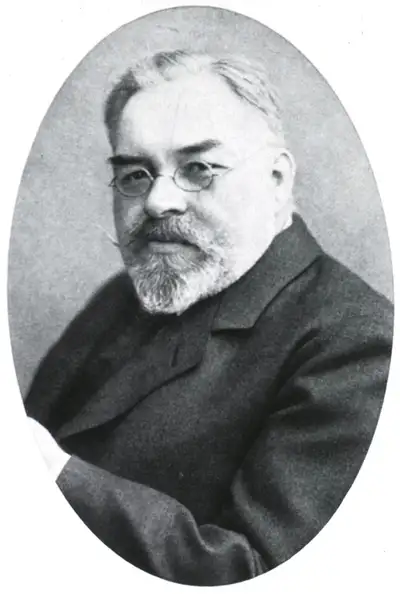 Franz Nissl Dr. Heidelberg University Eye Clinic
 - Georg Adolf Suckow Dr. Heidelberg University Eye Clinic
-
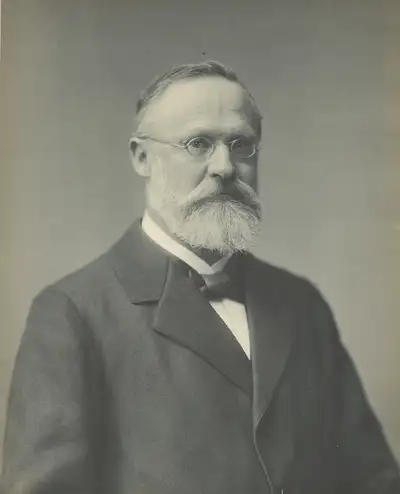 Wilhelm Heinrich Erb Dr. Heidelberg University Eye Clinic
 -
 Vivian Balakrishnan Dr. Singapore General Hospital
 -
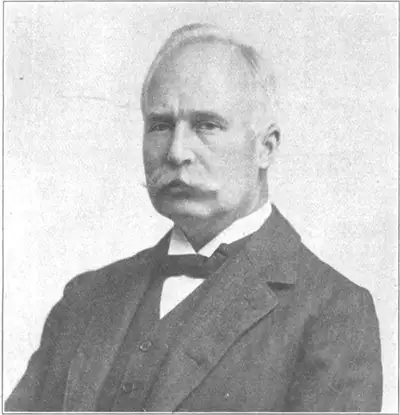 Johann Hoffmann Dr. Heidelberg University Eye Clinic
04 · Où aller
Destinations pour Ophtalmologie
| Ophtalmologie en India | 3 457 hôpitaux | Guide du pays |
|---|---|---|
| Ophtalmologie en Germany | 2 146 hôpitaux | Guide du pays |
| Ophtalmologie en Thailand | 1 429 hôpitaux | Guide du pays |
| Ophtalmologie en Turkey | 676 hôpitaux | Guide du pays |
| Ophtalmologie en South Korea | 303 hôpitaux | Guide du pays |
| Ophtalmologie en Malaysia | 245 hôpitaux | Guide du pays |
| Ophtalmologie en Singapore | 55 hôpitaux | Guide du pays |
| Ophtalmologie en Saudi Arabia | 55 hôpitaux | Guide du pays |
| Ophtalmologie en United Arab Emirates | 50 hôpitaux | Guide du pays |
Résultats en un coup d'œil
Ce que voient habituellement les patients en soins ophtalmologie
Moyennes sur les 29 procédures de cette spécialité. Votre chargé de dossier vous citera des résultats spécifiques à votre indication et au chirurgien choisi.
Recommandations des sociétés savantes · édition en vigueur
Sous-spécialités
Au sein de ophtalmologie
Refractive surgery
LASIK, SMILE, PRK, refractive lens exchange. Choice depends on corneal thickness, refraction, and lifestyle.
Cataract surgery
Phacoemulsification with monofocal, multifocal, or toric IOL. Premium IOL choice depends on lifestyle and astigmatism.
Retina
Diabetic retinopathy, AMD, retinal detachment, vitrectomy. Highly specialized.
Glaucoma
MIGS, trabeculectomy, tube shunt. Treatment paths from drops through surgery.
Cornea
DSAEK, DMEK, PK, refractive cornea procedures (CXL for keratoconus).
Pediatric eye care
Strabismus, amblyopia, retinoblastoma, congenital cataract. Specialized pediatric programs.
Qualité du programme
Ce qu'il faut rechercher
- Same-day screening + surgery is a flag (rigorous screening takes its time).
- Pre-op corneal topography and pachymetry as standard.
- Dry-eye assessment and treatment infrastructure.
- Itemized pricing with laser brand and IOL brand specified.
- Enhancement policy (most practices need 3-10% enhancement rate at 12 months).
- Modern equipment (femtosecond laser + excimer for refractive; phacoemulsification with multifocal IOL options for cataract).
- Sub-specialty match for non-routine cases.
Seuils de volume
Références de volume du chirurgien
| 500+ refractive cases/year | Top-tier; modern surgeon |
|---|---|
| 200–500/year | Strong; experienced |
| 100–200/year | Moderate; acceptable for routine cases |
| Under 100/year | Lower volume |
Destinations
Où cela se pratique couramment
Turkey
Major LASIK and cataract destination. Cost ~$1,000–1,800 per eye for LASIK.
India
Strong on cataract and corneal transplant.
Korea
Advanced refractive surgery with SMILE and femto-LASIK platforms.
Thailand
Bangkok Eye and TRSC — established programs.
UAE
Premium eye programs in Dubai and Abu Dhabi.
Parcours patient
Le parcours de soins typique
Screening
Visual acuity, refraction, corneal topography, pachymetry, dry-eye assessment, pupil sizing. 1-2 days.
Decision
Procedure choice based on screening; technology choice (laser, IOL); realistic outcome discussion.
Surgery
Outpatient typically; 15-30 minutes per eye; topical anesthesia.
Acute recovery
Day 1-7: drops on schedule; gradual vision improvement; sunglasses outdoors.
Stabilization + follow-up
Vision stabilizes by month 3 typically; enhancement decision deferred to that point if needed.
Questions
Ce qu'il faut demander au programme
- Am I a candidate based on corneal thickness and topography?
- What's your enhancement rate (need for retreatment in 12 months)?
- What technology are you using (femtosecond laser brand, IOL family) and why?
- What's the dry-eye incidence in your patient series, and how is it managed?
- Who handles follow-up if vision isn't where we want it at 3 months?
Vérification de la décision
Cette spécialité est-elle adaptée à votre cas ?
- Is your refraction stable for at least 12 months (no change >0.5 diopters)?
- Have you had a recent comprehensive eye exam?
- Are you a non-pregnant adult with healthy ocular surface?
- Do you have realistic expectations about vision improvement?
- Can you commit to drops on schedule for 4-6 weeks post-op?
05 · FAQ
Questions fréquentes sur Ophtalmologie à l'étranger
How do I pick a hospital for Ophthalmology?
Start with three filters: annual case volume for the specific procedure (not the specialty as a whole), the surgeon's personal experience with your condition, and what the follow-up plan looks like for months 3–12 after you're back home. Hospital brand matters less than the specific team you'll be under.
What's the cost difference between countries for ophthalmology?
Cost differences between destinations for ophthalmology can run 3–10× depending on the procedure and the country. The gap is usually driven by surgeon/labor costs and facility overhead rather than technology or outcomes — many mid-cost destinations run the same equipment as premium markets.
Is a second opinion worth it before booking ophthalmology?
For most elective procedures in ophthalmology, yes. A multidisciplinary review often changes the treatment recommendation — sometimes away from surgery, sometimes toward a different approach. We coordinate free second opinions across our partner programs before any travel is booked.
How long should I plan to be abroad for ophthalmology treatment?
Plan for the procedure + the first follow-up to happen before you fly back. Simple procedures can be a 1–2 week trip; complex surgery often needs 3–6 weeks. Your coordinator will give you a date-specific plan once your clinical details are in.
What happens if I have a complication after flying home?
A good program will have a clear follow-up pathway: direct messaging with the surgical team, imaging sharing, and — in the rare case of a serious complication — a pathway for return or for local handoff to a partner hospital. Ask about this specifically before booking; ambiguity here is the single biggest red flag.
Specialty depth
How to shortlist a credible ophtalmologie specialist
A board certification in ophtalmologie is the floor, not the ceiling. Senior practice in this field is sub-specialised — the right surgeon for your case is the one whose volume, fellowship, and audit data line up with the specific operation you need.
Sub-specialties to be aware of
Phacoemulsification, premium IOLs (toric, multifocal, EDOF), refractive lens exchange.
LASIK, SMILE, PRK, corneal cross-linking, transplant (DMEK, DSAEK, PK).
Vitrectomy, retinal detachment repair, anti-VEGF therapy for AMD/DME, paediatric retinal.
Trabeculectomy, MIGS (minimally-invasive glaucoma surgery), tube shunts, laser.
Squint correction, congenital cataract, paediatric refractive — distinct fellowship.
How outcomes get measured
- Post-op refractive accuracy (% within 0.5 D of target) for cataract and refractive surgery.
- Endophthalmitis rate — should be < 0.05% for elective intraocular surgery.
- Re-treatment / enhancement rate for refractive surgery.
- Best-corrected visual acuity gain at 1, 3, and 12 months post-op.
What a credible specialist looks like
- Surgeon volume — phaco surgeons should be doing 1000+ procedures/year; refractive 500+ LASIK/SMILE.
- Diagnostic depth — high-end OCT, biometry (IOLMaster 700), corneal topography, ultrawide-field retinal imaging.
- Premium IOL portfolio breadth — being able to recommend the right lens, not just the one stocked.
- Outcomes audited and published — centres that share their refractive-accuracy data publicly are usually the better ones.
Méthodologie et règles éditoriales
This ophtalmologie hub draws on 8,416 accredited hospitals running active ophtalmologie programs across 9 destinations.
- Données des hôpitaux. Accréditations, autorisations et équipements sont vérifiés dans les registres publics (JCI, NABH, listes des ministères de la santé) et les documents des hôpitaux, puis revérifiés régulièrement.
- Qualifications des médecins. Diplômes et spécialité proviennent du profil du médecin sur le site de l'hôpital et des registres des ordres médicaux nationaux.
- Prix. Les fourchettes de prix proviennent de devis et de forfaits écrits des hôpitaux, pas de tarifs publicitaires.
- Textes médicaux. Rédigés par notre équipe éditoriale et vérifiés par rapport aux recommandations publiées avant la mise en ligne.
- Indépendance. Les hôpitaux ne peuvent pas payer pour changer leur position sur nos pages.
Soins en Ophtalmologie
Continuer à explorer : ophtalmologie
Cette page n'est qu'une entrée. Ces pages permettent de chercher par chirurgien, destination, intervention ou maladie, selon la décision à prendre.
- Chirurgiens Tous les chirurgiens en ophtalmologie Annuaire des chirurgiens dans toutes les destinations.
- Hôpitaux Hôpitaux proposant ophtalmologie Programmes de cette spécialité dans notre réseau.
- Parcourir Toutes les maladies De la maladie à la spécialité puis au traitement de première intention.
- Parcourir Toutes les interventions Durée de récupération et prix hospitaliers par intervention.
- Parcourir Pays de destination Coût des soins, programmes hospitaliers et guides visa.
- Les meilleurs Meilleurs programmes en ophtalmologie Classés par spécialité et pays, méthode expliquée.
- Comparer Comparer des hôpitaux Accréditations, lits et prix côte à côte.
- Comparer Comparer des médecins Chirurgiens comparés sur l'expérience, les honoraires et les langues.
- Outil Calculateur de coûts Prix communiqués par les hôpitaux, par intervention et destination.
- Outil Orientation personnalisée Trois questions pour obtenir une sélection de spécialité, destination et hôpitaux.
- Confiance Comité médical Les médecins qui relisent nos contenus médicaux.
- Action Second avis gratuit Un spécialiste examine vos comptes rendus, gratuitement.
Prochaine étape · Ophtalmologie
Partagez votre cas. Obtenez une liste Ophtalmologie en 48 heures.
Trois façons d'avancer. Choisissez celle qui vous convient maintenant.