Questions patients ask before treatment abroad
Straight answers on cost, procedures, recovery, travel and safety, written by our editorial team. Use them to prepare questions for your own doctor.
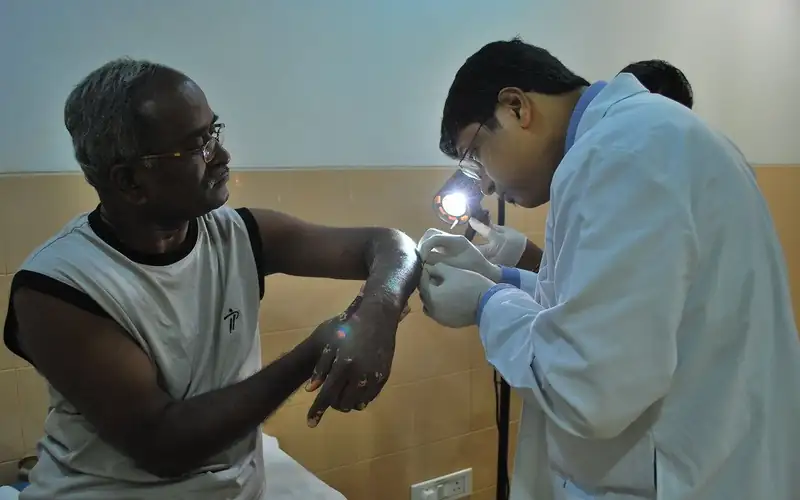
Photo: mynameisharsha · CC BY-SA 2.0
Procedures
- All-on-4 or all-on-6 — which is better? All-on-4 (full-arch fixed prosthesis on 4 implants) and all-on-6 (on 6 implants) are both established options. The decision depends on bone quantity and quality, oppos…
- Are dental implants abroad safe? Mostly depends on materials + lab, not destination. Implant brand matters — Straumann, Nobel Biocare, Osstem, Bredent are tier-1 with 20+ year data. Unbranded implants…
- Are donor eggs better than my own eggs? It depends on your AMH, age, prior IVF history, and clinical reality. Own eggs preferred when: under 38, AMH normal for age, no prior IVF failure, no genetic concern.…
- Are zirconia implants better than titanium? Titanium remains the gold standard with decades of long-term outcome data. Zirconia implants are an alternative for patients with metal sensitivity (rare) or who prefe…
- Can foreigners get a liver transplant abroad? Yes, but with major caveats. Most reputable programs (India, Turkey, Germany) require living-donor transplants for foreign patients — deceased-donor organs go to natio…
- Can I have a second hair transplant? Yes, second (and third) transplants are common — either to address progression of native hair loss, to add density to a previously transplanted area, or to refine the…
- Can I have heart surgery with diabetes? Yes, but glycemic control matters significantly. HbA1c above 8.5–9 is associated with higher complication rates — wound infection, sternal dehiscence, longer hospital…
- Can I have surgery during pregnancy? Yes, but the risk-benefit calculation is different. Generally: • Avoid elective surgery during pregnancy entirely. Most can wait until postpartum. • Urgent surgery (ap…
- Can women get hair transplants? Yes, but with important caveats. Female pattern hair loss differs anatomically from male pattern — diffuse thinning rather than pattern-specific recession — making don…
- Do I need a bone graft before implants? Many patients with longstanding tooth loss have bone resorption that requires grafting before or during implant placement. The most common types: socket preservation (…
- Do I need CABG, or can I have stents? It depends on the specific anatomy of your coronary disease. Modern guidelines favor stents (PCI) for: single-vessel disease, two-vessel disease without left main invo…
- Do I need finasteride after hair transplant? Hair transplant moves DHT-resistant hairs from the back of the head to the front. The transplanted hairs stay; the surrounding native hairs continue to be susceptible…
- FUE vs DHI — which is better? FUE (Follicular Unit Extraction) and DHI (Direct Hair Implantation) are both modern techniques. DHI uses a Choi pen for direct implantation without pre-made incisions;…
- How long do coronary stents last? Modern drug-eluting stents (DES) have very low restenosis rates — 5–10% at 1 year, with rates dropping further over time. Newer-generation stents (Synergy, Xience, Pro…
- How long does a dental implant last? Properly placed dental implants have 10-year survival rates of 90–95% at experienced clinics. Long-term failure typically traces to: peri-implantitis (gum disease arou…
- How long does a knee replacement last? Modern total knee replacements have 10-year implant survival rates of 90–95% at experienced centers, and 80–85% at 20 years. Survivorship depends on patient factors (B…
- How many grafts do I actually need for hair transplant? Norwood 2 (receding corners): 1,200-1,800 grafts. Norwood 3: 1,800-2,500. Norwood 4 (advanced with crown): 2,500-3,500. Norwood 5+: 3,500-5,000+ over 1-2 sessions. Pac…
- How many grafts do I actually need? Depends on Norwood pattern and desired density. Rough guide: • Norwood 2–3 (early hairline recession): 1,500–2,500 grafts. • Norwood 3–4 (moderate recession + crown):…
- How soon after a heart attack can I have CABG? Timing depends on the type of MI and clinical stability. For STEMI patients who got primary PCI but have residual disease, CABG is typically scheduled 4–6 weeks later…
- Is hair transplant in Turkey safe? At licensed, USHAŞ-affiliated Ministry of Health facilities with board-certified dermatologic surgeons — yes, comparable to any major market. At the aggressive low-end…
- Is mitral valve repair better than replacement? For degenerative mitral regurgitation (the most common cause), repair is strongly preferred over replacement when feasible. Repair preserves your native valve, avoids…
- Is proton therapy worth the cost? For most adult cancers, no. The clinical benefit of proton over modern photon (IMRT/VMAT) therapy is small or absent for the majority of indications. Proton's advantag…
- Robotic vs manual knee replacement? Robotic-assisted knee replacement (MAKO, Rosa, Cori) provides intra-operative real-time alignment and balance feedback, theoretically improving accuracy. Short-term ou…
- Should I freeze my eggs? Egg freezing (oocyte cryopreservation) is most effective when done before age 35. Realistic outcomes: • Eggs frozen at 30: ~60% chance of live birth per 10 eggs. • Egg…
- Should I have spinal fusion or disc replacement? Lumbar disc replacement (TDR) is appropriate for select younger patients (typically under 60) with single-level degenerative disc disease without facet joint disease,…
- Sleeve gastrectomy vs Roux-en-Y bypass vs mini-bypass — which is best? All three are effective; the right operation depends on your specific situation. • Sleeve gastrectomy (SG): simpler surgery, shorter operation, lower long-term complic…
- Sleeve vs bypass — which bariatric procedure is right? Sleeve (gastrectomy): simpler, shorter OR, no rerouting, lower long-term complication rate. Expected 60-70% excess weight loss at 2 years. Better for BMI 35-45, no sev…
- TAVR vs SAVR — which is right for me? Transcatheter aortic valve replacement (TAVR) and surgical aortic valve replacement (SAVR) are now both reasonable options for severe aortic stenosis in many patients.…
- Veneers vs crowns — what's the difference? Veneers are thin (0.3–0.7mm) ceramic shells bonded to the front surface of teeth. They're conservative — minimal tooth structure removed — and used for cosmetic improv…
- What are endoscopic bariatric procedures? Endoscopic bariatric procedures are minimally invasive weight-loss interventions done via endoscopy, without surgical incisions. Common types: • Endoscopic sleeve gast…
- What are realistic IVF success rates by age? Live-birth rate per cycle started (the number that matters): Under 35: 40-50%. 35-37: 32-40%. 38-40: 20-28%. 41-42: 10-15%. Over 42 with own eggs: 3-8%. Donor eggs (an…
- What are the red flags for bariatric surgery in Turkey? Five warning signs: (1) Quote under $3,000 all-inclusive — something is being cut, often stapler brand or post-op follow-up. (2) No BMI check or psychiatric screening…
- What are the risks of bariatric surgery? Modern bariatric surgery has a 30-day mortality rate under 0.3% at experienced programs — comparable to gallbladder surgery. Major complications (leak, bleeding, blood…
- What happens during chemotherapy? Chemotherapy is delivered in cycles — typically every 1–4 weeks. Each cycle includes: pre-treatment labs, IV access (peripheral or port), drug administration over 1–8…
- What if I'm immunocompromised? Immunocompromised patients (post-transplant, on chemotherapy, on biologics, with HIV, with autoimmune disease on immunosuppression) need additional precautions for tra…
- What implant brands are used for knee replacement abroad? Tier-1 brands with 15+ year follow-up data: Zimmer (Persona, NexGen), Stryker (Triathlon, Scorpio), DePuy (Attune, PFC Sigma), Smith & Nephew (Journey II). Any tier-1…
- What is a sinus lift procedure? A sinus lift (sinus augmentation) is a bone-grafting procedure for the upper-back jaw when the sinus floor is too close to where an implant needs to go. The graft mate…
- What is arthroscopy? Arthroscopy is minimally invasive joint surgery using a small camera and instruments through tiny incisions. Common applications: knee meniscus repair, ACL reconstruct…
- What is bariatric revision surgery? Bariatric revision surgery is a second operation after a prior bariatric procedure. Common scenarios: • Sleeve to bypass conversion: for severe reflux or insufficient…
- What is bilateral knee replacement? Bilateral knee replacement means both knees are replaced — either simultaneously (same surgery) or staged (1–2 weeks apart, sometimes longer). Simultaneous bilateral h…
- What is bone marrow transplant? Bone marrow transplant (BMT) — also called stem cell transplant — replaces diseased bone marrow with healthy stem cells. Used for: leukemia, lymphoma, multiple myeloma…
- What is cataract surgery? Cataract surgery removes the cloudy natural lens and replaces it with an artificial intraocular lens (IOL). Modern technique is phacoemulsification — ultrasound emulsi…
- What is cochlear implant surgery? Cochlear implants are surgically placed devices that bypass damaged inner-ear cells and stimulate the auditory nerve directly. Suitable for severe-to-profound sensorin…
- What is deep brain stimulation (DBS)? Deep brain stimulation involves implanting electrodes in specific brain regions and connecting them to a pacemaker-like device. Used for: Parkinson's disease (most com…
- What is endoscopic spine surgery? Endoscopic spine surgery uses small (7–10mm) incisions and a camera-guided approach to perform discectomy or decompression. It's a less invasive alternative to traditi…
- What is glaucoma surgery? Glaucoma surgery aims to lower intraocular pressure when medications and laser are insufficient. Options include: • Trabeculectomy: traditional gold-standard, creates…
- What is ICSI and when is it needed? ICSI (intracytoplasmic sperm injection) involves injecting a single sperm directly into an egg, rather than letting fertilization happen spontaneously in the dish (con…
- What is immunotherapy and who benefits? Immunotherapy (checkpoint inhibitors like pembrolizumab, nivolumab) helps your immune system recognize and attack cancer. It's transformative in some cancers (melanoma…
- What is laser vision correction (LASIK, SMILE, PRK)? Laser vision correction reshapes the cornea to correct refractive error. • LASIK: most common. Femtosecond laser creates a corneal flap; excimer laser reshapes underly…
- What is PGT (genetic testing of embryos) and do I need it? Pre-implantation genetic testing (PGT) tests embryos before transfer. Three types: • PGT-A (aneuploidy): tests for chromosome number abnormalities. Used for advanced m…
- What is precision oncology? Precision oncology means using your tumor's molecular profile (genetic mutations, gene expression, protein markers) to select treatment, rather than treating based on…
- What is revisional bariatric surgery? Revisional bariatric surgery is a second operation — converting one operation to another (sleeve to bypass), revising an existing bypass, or fixing a complication. Com…
- What is shoulder replacement? Shoulder replacement comes in three main types: anatomic (mimics native anatomy, requires intact rotator cuff), reverse (used when rotator cuff is torn — switches the…
- What is the mortality rate for CABG in India? 30-day mortality for elective CABG at high-volume Indian centers (Apollo, Medanta, Fortis Escorts, Artemis) runs 1.5–2.5%, comparable to US/UK benchmarks of 1.8–2.5%.…
- What is the right treatment for prostate cancer? Treatment depends on Gleason score, stage, age, and life expectancy. Options: • Active surveillance: low-risk (Gleason 6, low PSA, low volume) often appropriate. Monit…
- What is the success rate of IVF by age? Live-birth rate per fresh embryo transfer at experienced programs: • Under 35: 35–45% • 35–37: 28–35% • 38–40: 18–25% • 41–42: 8–12% • 43+: 3–6% (with own eggs) Donor…
- What is thyroid surgery? Thyroid surgery (thyroidectomy) removes part or all of the thyroid gland. Common indications: thyroid cancer, large goiter causing compression, thyrotoxicosis not cont…
- What medications do I take during IVF? Standard antagonist protocol (most common): • Days 2–10 (cycle days 2 to ~10): gonadotropins (FSH ± LH) by daily subcutaneous injection. Brand examples: Gonal-F, Menop…
- What should I ask an IVF clinic before booking? Seven questions: (1) Live-birth rate per cycle started, stratified by my age bracket, last 12 months. (2) Average embryos transferred — 1 is current standard; 2+ is ol…
- Where can I do IVF with a donor egg abroad? Spain and Greece have the most mature donor-egg frameworks in Europe — both permit anonymous donation, well-regulated, high success rates (~50-60%). Ukraine used to le…
- Where is surrogacy legal and practical for international patients? Current regulatory map: Georgia (commercial surrogacy legal for heterosexual married couples), Kazakhstan (similar), Mexico (state-specific, Tabasco and Sinaloa friend…
Cost
- Are there hidden fees in medical travel? Common 'hidden' fees that surprise patients: • Currency conversion fees (1–4%). • Wire transfer fees ($30–80 per transfer). • Credit card foreign transaction surcharge…
- Can I negotiate the price of medical treatment? Yes, especially for non-emergency, elective procedures. Most international programs have flexibility, particularly: • Off-peak season pricing (5–15% discount). • Self-…
- Do hospitals charge different prices for international patients? Some do, some don't. Practices vary: • Many top programs publish unified pricing for self-pay regardless of nationality. • Some programs have 'international' pricing t…
- Do prices vary between hospitals? Yes, significantly. For the same procedure in the same city, top programs may quote 30–60% higher than mid-tier programs. The price gap reflects: • Surgeon experience…
- How much does a hip replacement cost in India? Total hip replacement at a high-volume Indian program (Apollo, Fortis, Max, Medanta) runs $5,000–7,500 all-in, including surgeon fee, implant, hospital stay (3–5 days)…
- How much does CABG (heart bypass) cost in India? Heart bypass (CABG) in India typically ranges from $3,800 to $8,500 at tier-1 hospitals (Medanta, Apollo, Fortis, Max). That's 85-95% less than a comparable quote in t…
- How much does chemotherapy cost in India? Cost varies widely by regimen. Generic platinum-based regimens (carboplatin, cisplatin) start around $300–600 per cycle. Modern targeted therapies (trastuzumab, rituxi…
- How much does knee replacement cost in India? Total knee replacement runs $4,500–7,000 at top Indian centers (Apollo, Fortis, Max). Bilateral simultaneous runs $7,500–10,500. Robotic-assisted (MAKO) adds $1,500–3,…
- Is bariatric surgery cheaper in Turkey? Yes — typically $4,000–6,000 for sleeve gastrectomy in Turkey vs $15,000–22,000 in the US. Roux-en-Y bypass runs $6,000–9,000 in Turkey vs $20,000–30,000 US. Mini-bypa…
- Is cancer treatment cheaper in India than the US? Yes, typically 70–85% lower for the same regimen. Generic and biosimilar drug manufacturing accounts for most of the gap. Surgical oncology, radiation, and supportive…
- What is an itemized quote and why does it matter? An itemized quote breaks down the cost into specific line items: surgeon fee, anesthesiologist fee, hospital room (per day rate × days), implant or device cost, medica…
- What is medical-value-based pricing? Medical-value-based pricing means prices reflect outcome and value, not just procedure type. Some international programs use this framework: • Bundled pricing for enti…
- What is shared-risk pricing in IVF? Shared-risk (refund) IVF programs offer multi-cycle packages with partial or full refund if no live birth is achieved. Common structures: • Multi-cycle plan: 2–3 cycle…
- What is the cost of IVF in India? Standard IVF cycle in India: $2,500–4,500 per cycle at established programs (Apollo, Fortis, Manipal, Nova). Add-ons: • ICSI (intracytoplasmic sperm injection): +$300–…
- What is the true cost of medical travel? The headline procedure cost is usually 60–75% of total trip cost. Examples: • Knee replacement in India: $5,500 procedure → $8,500–10,000 total trip (including flights…
- What's typically not included in a medical travel package? Common exclusions: • Flights (rarely included). • Visa fees. • Transit between airport and hospital (sometimes included). • Accommodation beyond the hospital stay. • M…
Process
- Do I need clearance from my home doctor before travel? Strongly recommended for any major procedure. Specific reasons: • Medical optimization: home physician is best positioned to assess your readiness and optimize comorbi…
- How do I coordinate care with my home doctor? Pre-trip: • Inform your home physician of the planned procedure. • Get a letter of medical clearance (especially for travel, anesthesia, anticoagulation). • Confirm po…
- How do I find a good medical coordinator? Medical coordinators (case managers, medical concierge, facilitators) help with hospital selection, quote comparison, logistics, and patient advocacy. Good coordinator…
- How do I know if my cancer has spread? Staging workup typically includes: CT or MRI of the primary site and likely metastatic sites; PET-CT for many cancers; bone scan if relevant; brain MRI if symptoms or…
- How do I prepare for international medical travel? Roughly 8–12 week prep timeline: 12 weeks out: choose program, get itemized quote, confirm visa requirements, start prehab if relevant. 8 weeks out: book flights, acco…
- How many dental visits are needed for full-mouth treatment? Depends on the complexity. A typical sequence: • Single-tooth implant: 2 visits (placement + crown) over 3–4 months. • Multiple implants without grafting: 2–3 visits o…
- Is physical therapy included in the orthopedic package? Standard packages typically include 2–5 days of inpatient PT. Outpatient PT after discharge is often add-on. For knee and hip replacement, 4–6 weeks of post-op PT is t…
- What are tumor markers? Tumor markers are blood tests for substances elevated in some cancers. Common ones: PSA (prostate), CA-125 (ovarian), CA 19-9 (pancreatic), AFP (liver, testicular), CE…
- What BMI is required for bariatric surgery? Standard guidelines (NIH 1991, still widely used): BMI ≥40 without comorbidity, or BMI ≥35 with comorbidity (diabetes, sleep apnea, hypertension, severe joint disease)…
- What if my home doctor doesn't want to help with international care? This happens more often than patients expect. Reasons range from genuine concern (about coordination, follow-up, ethical issues) to commercial (loss of revenue if pati…
- What is a tumor board? A tumor board is a regular multidisciplinary meeting where pathologists, medical oncologists, radiation oncologists, surgeons, radiologists, and (often) palliative car…
- What medical records do I need to share for a quote? Minimum viable: recent imaging report (CT/MRI/angiogram/X-ray depending on condition), pathology report if applicable, current medication list, summary letter from you…
- What medical records should I bring? Bring everything relevant to the planned procedure: • Imaging on disc (DICOM format) — CT, MRI, X-ray, echo as relevant — original images, not just reports. • Patholog…
- What questions to ask after an abnormal stress test? An abnormal stress test is a screening signal, not a diagnosis. Before accepting catheterization or surgery, ask: 1. What specifically was abnormal — perfusion defect,…
Recovery
- Can I drink alcohol after bariatric surgery? Yes, but with important changes. Alcohol absorption is dramatically faster after gastric bypass and sleeve gastrectomy — peak blood alcohol levels are higher and reach…
- Do I need to isolate after surgery abroad? Most patients don't need formal isolation, but minimizing infection exposure during recovery is wise: • In hospital: standard infection-control precautions managed by…
- How long does it take to recover after CABG? Rough week-by-week: Week 1 (ICU + ward, discharge day 6-8). Week 2-3 (first follow-up, walking unassisted, no lifting >2kg, no driving). Week 4-6 (sternum still healin…
- How long does knee replacement recovery take? Week 1: Discharge day 3-5, walking with walker/stick, physiotherapy starts day 1 post-op. Week 2-4: Walker transitions to single stick, stairs training, drive-ban lift…
- How much weight will I lose after bariatric surgery? Expected loss is typically expressed as 'percent excess weight loss' — how much of the weight above ideal body weight you lose. • Sleeve gastrectomy: 50–60% EWL at 1 y…
- What causes hair transplant failure? Common causes: graft mishandling during extraction or placement; out-of-water time exceeding optimal range; poor blood supply at recipient site (often from prior scarr…
- What does it mean when IVF fails? 'Failure' has different stages: • Stim failure: poor response to stimulation, cycle cancelled or yields very few eggs. • Fertilization failure: eggs retrieved but few…
- What does the diet look like after bariatric surgery? Standard post-op diet progression (varies by program): • Day 0–1: clear liquids only. • Day 2–7: full liquids (protein shakes, broths). • Week 2: pureed foods. • Week…
- What happens if bariatric surgery fails? 'Failure' is usually weight regain or insufficient initial loss. Common causes: dietary non-compliance, undiagnosed psychiatric/eating disorder, anatomical problems (p…
- What is the recovery after hysterectomy? Recovery depends on approach: • Laparoscopic or robotic hysterectomy: 1–2 day hospital stay, return to desk work in 2–3 weeks, full activity in 6 weeks. • Vaginal hyst…
- What is the recovery after spinal fusion? Lumbar spinal fusion has a longer recovery than most orthopedic procedures: • Hospital stay: 3–7 days. • Activity restrictions: significant for first 6–12 weeks (no li…
- What is the recovery time for hip replacement? Modern hip replacement (especially anterior approach) has faster recovery than older posterior approaches. Typical timeline: • Day 0–1: weight-bearing as tolerated wit…
- When will I see hair transplant results? Realistic timeline: • Week 1–2: post-op scabbing; transplanted hair visible but will fall. • Week 3–8: 'shock loss' — most transplanted shafts shed (the follicle stays…
Travel
- Can a family member travel with me on a medical visa? Most destinations issue an Attendant Visa (India's MX category, UAE attendant, Thailand's MT-A) for immediate family. Relationship documentation required (marriage, pa…
- Can I fly after CABG? Most patients are cleared for short-haul flights at 2 weeks and long-haul flights at 4–6 weeks post-CABG, assuming uncomplicated recovery. The constraints: chest cage…
- How do I handle medications when traveling? Bring 2× your trip duration in carry-on luggage in original prescription bottles. If checked luggage is lost, you have backup. For controlled substances (opioids, benz…
- How long does a medical visa take to process? Varies by destination: India e-Medical visa: 3-5 working days. Turkey e-Visa or USHAŞ-facilitated: 2-3 days. Thailand MT: 5-7 days. Germany Schengen Medical: 10-15 wor…
- How long should I plan to be in-country for my procedure? Rough guide: Dental implants (staged) 4-7 days per stage. Hair transplant 3-5 days. IVF cycle 4-6 weeks. Cosmetic (rhinoplasty, body contour) 10-14 days. Laparoscopic…
- Should I bring my spouse or family? Strongly recommended for major procedures. An attendant provides: • Practical support: navigating airports, transit, language barriers. • Medical advocacy: present at…
- Should I fly business class after surgery? For long-haul flights (>6 hours) within 4 weeks of major surgery, business or premium economy is medically reasonable — not luxury, but a recovery aid. Reasons: lie-fl…
- What if my flight is cancelled or delayed? Have backup plans. Major medical-travel destinations are hubs (Delhi, Mumbai, Istanbul, Bangkok, Dubai) with frequent connections, so rebooking is usually possible. Fo…
- What is the best time of year for medical travel? Seasonal considerations vary by destination: • India: October–March (cool, dry season). Avoid June–September monsoon for non-urgent travel. • Turkey: April–June, Septe…
- What language issues should I expect? Top international medical destinations have strong English-language infrastructure. Hospitals like Apollo, Fortis, Acıbadem, Bumrungrad, Memorial all have English-spea…
- What vaccinations do I need for medical travel? Standard travel vaccinations apply (verify with travel-medicine specialist for your specific destination): • Hepatitis A and B: recommended for most international trav…
- What's a hospital invitation letter? A formal letter from the destination hospital on official letterhead, signed by the treating doctor, confirming: diagnosis, recommended treatment plan, estimated lengt…
- When can I fly home after surgery? Rule of thumb (your surgeon's letter overrides): 2-7 days after uncomplicated laparoscopic surgery. 2-3 weeks after most open abdominal surgery. 4-6 weeks after CABG o…
Safety
- What happens if I have complications after flying home? Good programs provide: 90-day telemedicine access to the operating surgeon, imaging share via secure link, and a documented pathway for re-operation if needed. Tier-1…
- What happens if the surgery is incomplete or unsuccessful? Outcomes depend on what 'incomplete' means: • Surgery cancelled before incision (anesthesia issue, intraoperative finding): typically full refund minus minor fees. Res…
- What if I need emergency care abroad? Major international medical-travel destinations have excellent emergency infrastructure. Apollo, Fortis, Acıbadem, Memorial, Bumrungrad, and similar all have 24/7 emer…
- What if I need emergency surgery while abroad? Major international medical-travel destinations have excellent emergency infrastructure. Specific considerations: • Communicate via patient (not coordinator) when poss…
- What if I test positive for COVID-19 abroad? Most international medical-travel destinations have current protocols for managing COVID-positive patients: • Pre-procedure testing: most programs require negative tes…
- What if the surgeon is different from what was promised? This is a serious issue. Confirm before any procedure that the surgeon you've been corresponding with is actually performing the surgery. Common scenarios: • Senior su…
- What is medical evacuation and when is it needed? Medical evacuation (medevac) is the transfer of a critically ill patient by air ambulance back home or to a higher level of care, typically with specialized medical st…
About Medcasts
- Does MedCasts own any hospitals? No. We're a coordinator, not an operator. Every hospital we list is an independently owned and operated facility — MedCasts' role is matching you to the right one, neg…
- How do you decide which hospitals to work with? Hospitals enter our directory via three paths: verified accreditation (JCI, NABH, ISO, national body) + active license, minimum published clinical outcome data for the…
- How does MedCasts make money? Hospitals pay us a coordination fee (typically 5-15% of their gross invoice) when you proceed with treatment. Disclosed on every quote. You don't pay us anything direc…
- Is medical tourism ethical? It's a legitimate ethical question worth thinking through. Considerations: For patients: medical tourism democratizes access to care that would otherwise be unaffordab…
Destinations
- Is dental tourism in Turkey safe? Quality varies dramatically by clinic. Top-tier clinics in Istanbul, Antalya, and Izmir have invested in modern equipment, work with prosthodontists alongside surgeons…
- Should I do knee replacement in India, Turkey, or Thailand? All three run competent programs with tier-1 implants (Zimmer, Stryker, DePuy). India: $3,800-$7,000, highest volumes globally (top surgeons do 500+ TKRs/year), best c…
- What is the best clinic for hair transplant in Turkey? There isn't a single 'best' — top-tier Turkish hair clinics include programs led by Dr. Bisanga (BHT), Dr. Demirsoy, Dr. Erdogan (ASMED, Istanbul), and a handful of ot…
Insurance
- Does my insurance cover treatment abroad? Standard US/UK private plans: almost never cover planned international elective care. Exceptions: some Gulf private insurers direct-bill specific partner hospitals (Da…
- Is medical tourism tax-deductible? In the US: medical expenses (including international) above 7.5% of AGI are deductible if you itemize deductions. The procedure must be medically necessary; cosmetic p…
- What is medical travel insurance and do I need it? Travel medical insurance specifically covers medical emergencies abroad — repatriation, evacuation, hospitalization for unrelated emergencies during your trip. It typi…
Payment
- How do I pay for international treatment? Common payment methods: • Wire transfer (most common): direct bank-to-bank, low fees, cleared in 1–3 days. Cheapest option but no chargeback protection. • Credit card:…
- Should I pay a deposit upfront? Most international programs request a deposit (10–25% of total) to secure dates and allocate resources. This is standard practice and not a red flag in itself. What ma…
- What payment methods are safest for international medical care? Safety order, generally: 1. Escrow service: third party holds funds until milestones are met. Strong fraud protection but moderate fee (1–2%). 2. Credit card: chargeba…
Second opinions
- How does a second oncology opinion work? You share: recent imaging (CT/MRI/PET) on CD or DICOM, pathology block for re-review (or slides trusted by the second center), current treatment plan letter from your…
- Is it worth getting a second opinion before surgery abroad? Usually yes, especially for oncology, neurosurgery, complex orthopedic, or any case where irreversible treatment is being recommended. Across 180+ oncology cases we ro…
- Should I get a second opinion on cancer staging? For any cancer where staging affects treatment significantly — early-stage breast, prostate, colorectal, lung — a second opinion on the staging review is reasonable an…
Hospitals
- What is the best heart hospital in India? There isn't a single 'best' — different programs lead in different sub-specialties. For complex cardiac surgery, Medanta The Medicity (Gurugram) under Dr. Naresh Treha…
- Which hospitals in India are best for CABG? We route international cardiac volume to four flagship programs: Medanta (Gurugram) and Max Saket (Delhi) for complex revisions and pediatric congenital; Apollo Delhi…
Doctors
Nothing found.
Not finding your question?
Send your reports and a coordinator will answer for your case. A doctor reviews them and you get written quotes from up to 3 hospitals, free.