
Medical treatment in India: the 2026 guide for international patients
India handles high volumes of overseas cardiac, orthopedic, and oncology cases, with a heavy concentration around Delhi-NCR, Chennai, Mumbai and Bangalore. Prices are among the lowest for tertiary-care work worldwide.
- accredited hospitals
- 500
- JCI-accredited hospitals
- 67
- medical visa processing
- 4 days
- treatments with published prices
- 449
- hospitals listed
- 3,590
Treatment prices in India
Median prices published by 3,590 hospitals in India, in US dollars, compared with published prices at home.
| Treatment | India (median) | United States | You save | Quote |
|---|---|---|---|---|
| Total Knee Replacement | $6,998 | $32,600 | −79% | Quote |
| Hip Replacement | $8,260 | $39,000 | −79% | Quote |
| CABG (Heart Bypass Surgery) | $8,742 | $59,300 | −85% | Quote |
| Angioplasty with Stent | $5,508 | $27,600 | −80% | Quote |
| Spine Surgery | $8,258 | — | Quote | |
| IVF with ICSI | $4,242 | $14,000 | −70% | Quote |
| Cataract Surgery with Premium IOL | $2,663 | $6,000 | −56% | Quote |
| LASIK / SMILE Refractive Surgery | $1,864 | $3,120 | −40% | Quote |
| All-on-4 Dental Implants | $10,100 | $15,200 | −34% | Quote |
| Cancer Surgery | $8,258 | — | Quote |
Medians of the price ranges hospitals publish on Medcasts. Your final quote depends on your medical reports and the hospital you choose.
Sources for home-country prices
- CareCredit (Synchrony), How Much Does a Knee Replacement Cost? (2023)
- CareCredit (Synchrony), What Is the Average Cost of Hip Replacement Surgery? (2026)
- Journal of the American Heart Association, Inter- and Intrahospital Price Variation for Common Cardiovascular Admission Diagnoses, Diagnostic Tests, and Therapeutic Procedures (2025)
- All About Vision, Cataract Surgery Cost in 2026: What You Can Expect To Pay (2026)
- CareCredit (Synchrony), LASIK Eye Surgery Cost and Procedure Guide (2025)
- CareCredit (Synchrony), IVF Cost and Procedure Guide (2025)
- CareCredit (Synchrony), Dentist Prices: Dental Procedure Cost List - CareCredit (2026)
- Spire Healthcare, Private knee replacement in Leeds, West Yorkshire | Spire Leeds Hospital (2026)
- Spire Healthcare, Private hip replacement in Leeds, West Yorkshire | Spire Leeds Hospital (2026)
- Cleveland Clinic London, Heart, Vascular and Thoracic Care Self-Pay Services | Cleveland Clinic London (2026)
- KIMS Hospital, Coronary Angioplasty with Stent Procedure | KIMS Hospital, Kent (2026)
- Hospital of St John & St Elizabeth, Private Spinal Fusion in London | Spine Stabilisation Surgery (2026)
- Spire Healthcare, Private cataract surgery in Leeds, West Yorkshire | Spire Leeds Hospital (2026)
- Optical Express, Compare the Costs of Each Type of Laser Eye Surgery | Optical Express (2026)
- CREATE Fertility, IVF & Fertility Treatment Costs | Our Prices | CREATE Fertility (2026)
- Wigmore Smiles, All-on-4 Dental Implants Cost UK: Prices & Finance Options (2025)
- CMC Dubai Hospital, Knee Replacement Surgery Package | CMC Dubai Hospital (2026)
- CMC Dubai Hospital, Cataract Surgery Package | CMC Dubai Hospital (2026)
- CMC Dubai Hospital, LASIK Eye Surgery Package | CMC Dubai Hospital (2026)
- Nairametrics, IVF costs surge to N2.1m, 250% increase from 2019 prices (2024)
Home-country prices are single published figures, converted to US dollars where needed. Use them as a rough guide only.
Why patients choose India
- Accredited hospitals 500 hospitals in India hold NABH, ISO 9001, JCI accreditation. 67 of them are accredited by Joint Commission International (JCI).
- Prices you can check first 449 treatments have prices published by 3,590 hospitals, so you can compare before you travel.
- Medical visa Medical Visa (e-Medical available). Processing takes about 4 days. Stays of up to 60 days.
- Family can come with you The medical visa lets companions travel with the patient.
- Free quotes to compare Send your reports once. We ask several hospitals and send you their answers side by side.
- Known for CABG, joint replacement, liver transplants, bone-marrow work, IVF, hair restoration.
- Before you book Plan around monsoon (Jun-Sep in most cities) if mobility is a factor post-op, and confirm FRRO registration before any stay beyond 180 days.
Top cities for treatment in India
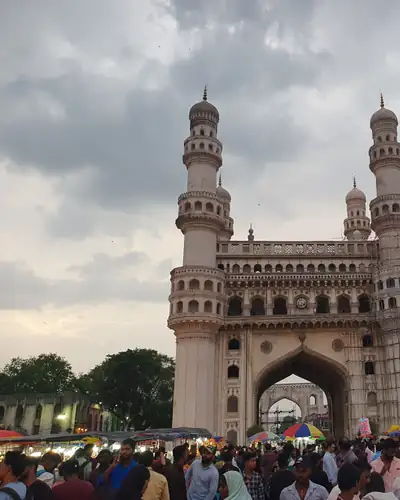
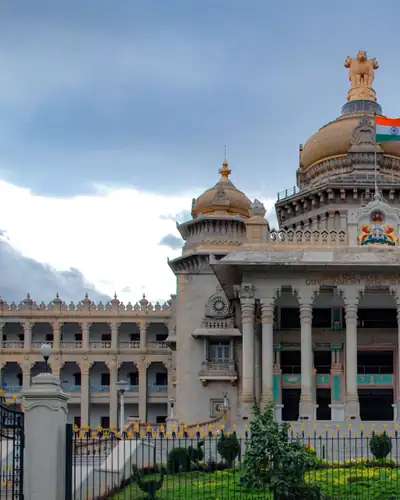

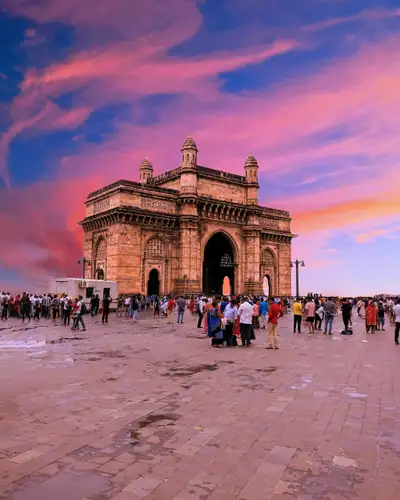
Top hospitals in India
All 3,590 hospitals-
 Indraprastha Apollo Hospital
 -
 Medanta - The Medicity
 -
 Artemis Hospital
 -
 Max Super Speciality Hospital, Saket
These public registers list licensed and accredited hospitals and doctors in India.
India medical visa in 4 steps
- Choose your hospital
Compare your free quotes and pick one hospital. - Get the invitation letter
The hospital issues an invitation letter for your visa. We request it for you. - Apply for the visa
Apply for the Medical Visa (e-Medical available) with your passport, a photo and the letter. - Fly
Processing takes about 4 days. Book your flight once the visa is approved.
- Malaysia 3 days
- Türkiye 3 days
- UAE 3 days
- India (this page) 4 days
- Singapore 5 days
- South Korea 5 days
- Thailand 7 days
- Germany 10 days
- Saudi Arabia 10 days
Typical processing time for a medical or visitor visa. Rules depend on your nationality, so check before you apply.
Good to know before you go
- Weather and best time to go Best months: October, November, December, January, February, MarchAvoid: June, July, August, SeptemberTropical to temperate depending on region. Delhi/Punjab: summer 40°C+, winter cold (5°C nights). Mumbai/Chennai: warm and humid year-round. Bangalore: pleasant 15–28°C year-round, best general recovery climate.
- Food Hospital food is available in international and local options; most programs accommodate dietary restrictions. Vegetarian options abundant. For non-veg specifically, request in advance. Tap water not safe; bottled water is standard.
- Money and payment INR (Indian Rupee)USD/INR typically ranges 82–88. Most quotes are in USD; pay in USD via wire or escrow. Credit card has 1–3% FX surcharge. Hospital direct payments (rather than to coordinator) are preferred.
- Language and culture English widely spoken at major hospitals. Hindi or local language outside. Conservative dress recommended (shoulders covered, knees covered for women). Cash culture predominantly cleared by digital payments; UPI works for residents but international visitors stick to credit cards.
- Where to stay Premium hospital guest houses available at top programs ($80–200/night). Mid-tier hotels near hospitals ($50–100/night). Western chains (Hilton, Marriott, Hyatt) within 30-minute taxi of major hospitals.
Travel guide for India
Travelling with family
Visa: Indian Medical Visa (M visa) covers patient + 2 attendants. eVisa option available for citizens of 165+ countries. Apply online via indianvisaonline.gov.in. Processing 3–7 days for eVisa, longer for traditional.
Staying with the patient: Most programs allow attendant rooming-in during admission. Some have dedicated attendant beds; others provide recliners.
Airports and transfers
Airports: Delhi (DEL), Mumbai (BOM), Chennai (MAA), Bangalore (BLR), Hyderabad (HYD). All have international hubs and direct connections from major US/EU/Middle East cities.
Hospital transfer: Most major programs offer airport pickup service ($30–80 depending on city). Pre-arrange this; airport touts are problematic.
Transit time: Delhi: airport to Gurugram 1–2 hours; Mumbai: airport to Andheri/Bandra 30–60 minutes; Bangalore: airport to city 1–1.5 hours.
Deposits and instalments
Deposits: Standard deposit 10–25% to secure surgery dates. Refundable up to 30 days out at most reputable programs.
Instalments: Some programs offer 6–12 month installment plans for major procedures.
Wire transfer is the cheapest method for amounts >$10k. International credit card chargeback protection is real and worth the surcharge for deposits. Cash payments are unusual and a flag if demanded.
What to pack
- Mosquito repellent year-round (especially in monsoon months).
- Lightweight, modest clothing for hospital and public spaces.
- Power bank and universal adapter (Indian plugs are Type D/M).
- Personal medications in original packaging (2× trip duration).
- Hand sanitizer for travel; bottled water cap is standard.
- Light jacket for AC environments and winter Delhi/Punjab.
- Comfortable walking shoes; flip-flops for hospital corridors.
After you fly home
Follow-up: Most international patients are scheduled for 6-week and 12-week follow-ups via telemedicine. Many programs offer this at no charge for first 90 days post-op.
Medicines: Bring 90 days supply of all post-op medications. Indian generics are excellent quality and exported globally; verify substitution with home physician before generic switch.
Records: Most programs send digital discharge summary within 48 hours. Operative note within 7 days. Pathology within 14 days.
Emergency numbers
National emergency: 112 (universal emergency number)
Ambulance: 108 (free) or 102 (govt) or use private services (Apollo Health Services, Medlife)
Embassy: Verify your country's embassy in Delhi/Mumbai before traveling.
Compare India with other countries
- India Total Knee Replacement $6,998 · Visa 4 days You are here
- Germany Total Knee Replacement $34,954 · Visa 10 days
- Thailand Total Knee Replacement $9,076 · Visa 7 days
- Türkiye Total Knee Replacement $9,786 · Visa 3 days
- South Korea Total Knee Replacement $14,026 · Visa 5 days
- Malaysia Total Knee Replacement $8,717 · Visa 3 days
- Singapore Total Knee Replacement $21,072 · Visa 5 days
- Saudi Arabia Total Knee Replacement $16,183 · Visa 10 days
- UAE Total Knee Replacement $10,350 · Visa 3 days
Questions about treatment in India
Is India a good destination for medical travel?
India has an established international-patient infrastructure with English-speaking case managers at major hospitals. Pick by the specific surgeon's volume for your procedure, not by destination alone — within any country, outcomes vary enormously between centres.
How much can I save by getting treatment in India?
Typical savings vs US prices: 60-85% for cardiac, joint replacement, and oncology procedures; 40-60% vs UK; 20-50% vs Western Europe. Hair transplant, dental, and cosmetic procedures often sit at 70-90% off US prices. The caveat: if your insurance covers US care, the out-of-pocket math may look different.
Do I need a medical visa for India?
Most destinations issue a dedicated Medical Visa with a 60-90 day validity, extendable, attendant visas included for family. Processing takes 3-10 working days once the hospital issues its invitation letter. Your case manager prepares the full bundle.
What's the follow-up pathway after I fly home from India?
A good hospital handles follow-up via telemedicine + imaging sharing for 90+ days post-op. For complications, the hospital coordinates either remote management or a return visit. Ask specifically about their documented follow-up protocol before booking — ambiguity here is the biggest red flag.
Is the medical equipment in India up to international standards?
Tier-1 hospitals in India run the same equipment as US/UK hospitals — Intuitive da Vinci, Varian linacs, Zeiss surgical platforms. The hardware isn't the differentiator. Staffing ratios, ICU protocols, and surgeon volume matter more than equipment.
Will insurance cover my treatment in India?
Most US/UK insurance plans don't cover elective international care. Gulf and African private insurers often do, at least partially, via direct-billing arrangements with specific hospitals. Self-pay is the most common route — which is why transparent itemised pricing matters.