Maswali wagonjwa huuliza kabla ya matibabu nje ya nchi
Majibu ya moja kwa moja kuhusu gharama, taratibu, kupona, safari na usalama, yameandikwa na timu yetu ya uhariri. Yatumie kuandaa maswali kwa daktari wako.
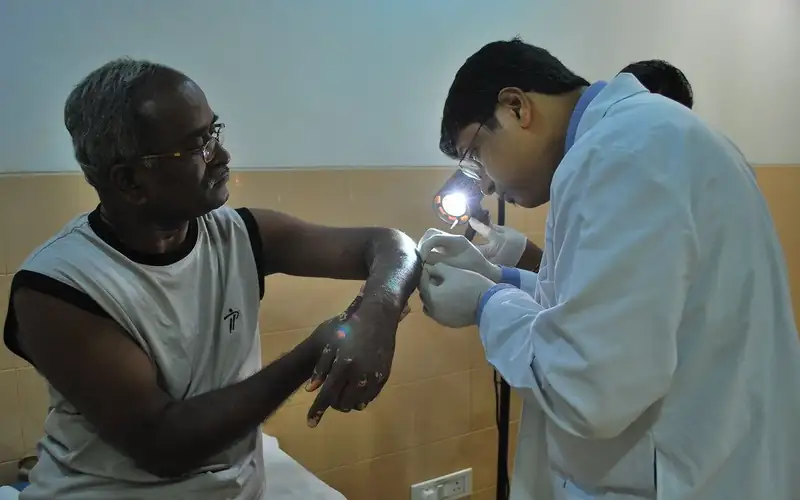
Picha: mynameisharsha · CC BY-SA 2.0
Taratibu
- All-on-4 or all-on-6 — which is better? All-on-4 (full-arch fixed prosthesis on 4 implants) and all-on-6 (on 6 implants) are both established options. The decision depends on bone quantity and quality, oppos…
- Are dental implants abroad safe? Mostly depends on materials + lab, not destination. Implant brand matters — Straumann, Nobel Biocare, Osstem, Bredent are tier-1 with 20+ year data. Unbranded implants…
- Are donor eggs better than my own eggs? It depends on your AMH, age, prior IVF history, and clinical reality. Own eggs preferred when: under 38, AMH normal for age, no prior IVF failure, no genetic concern.…
- Are zirconia implants better than titanium? Titanium remains the gold standard with decades of long-term outcome data. Zirconia implants are an alternative for patients with metal sensitivity (rare) or who prefe…
- Can foreigners get a liver transplant abroad? Yes, but with major caveats. Most reputable programs (India, Turkey, Germany) require living-donor transplants for foreign patients — deceased-donor organs go to natio…
- Can I have a second hair transplant? Yes, second (and third) transplants are common — either to address progression of native hair loss, to add density to a previously transplanted area, or to refine the…
- Can I have heart surgery with diabetes? Yes, but glycemic control matters significantly. HbA1c above 8.5–9 is associated with higher complication rates — wound infection, sternal dehiscence, longer hospital…
- Can I have surgery during pregnancy? Yes, but the risk-benefit calculation is different. Generally: • Avoid elective surgery during pregnancy entirely. Most can wait until postpartum. • Urgent surgery (ap…
- Can women get hair transplants? Yes, but with important caveats. Female pattern hair loss differs anatomically from male pattern — diffuse thinning rather than pattern-specific recession — making don…
- Do I need a bone graft before implants? Many patients with longstanding tooth loss have bone resorption that requires grafting before or during implant placement. The most common types: socket preservation (…
- Do I need CABG, or can I have stents? It depends on the specific anatomy of your coronary disease. Modern guidelines favor stents (PCI) for: single-vessel disease, two-vessel disease without left main invo…
- Do I need finasteride after hair transplant? Hair transplant moves DHT-resistant hairs from the back of the head to the front. The transplanted hairs stay; the surrounding native hairs continue to be susceptible…
- FUE vs DHI — which is better? FUE (Follicular Unit Extraction) and DHI (Direct Hair Implantation) are both modern techniques. DHI uses a Choi pen for direct implantation without pre-made incisions;…
- How long do coronary stents last? Modern drug-eluting stents (DES) have very low restenosis rates — 5–10% at 1 year, with rates dropping further over time. Newer-generation stents (Synergy, Xience, Pro…
- How long does a dental implant last? Properly placed dental implants have 10-year survival rates of 90–95% at experienced clinics. Long-term failure typically traces to: peri-implantitis (gum disease arou…
- How long does a knee replacement last? Modern total knee replacements have 10-year implant survival rates of 90–95% at experienced centers, and 80–85% at 20 years. Survivorship depends on patient factors (B…
- How many grafts do I actually need for hair transplant? Norwood 2 (receding corners): 1,200-1,800 grafts. Norwood 3: 1,800-2,500. Norwood 4 (advanced with crown): 2,500-3,500. Norwood 5+: 3,500-5,000+ over 1-2 sessions. Pac…
- How many grafts do I actually need? Depends on Norwood pattern and desired density. Rough guide: • Norwood 2–3 (early hairline recession): 1,500–2,500 grafts. • Norwood 3–4 (moderate recession + crown):…
- How soon after a heart attack can I have CABG? Timing depends on the type of MI and clinical stability. For STEMI patients who got primary PCI but have residual disease, CABG is typically scheduled 4–6 weeks later…
- Is hair transplant in Turkey safe? At licensed, USHAŞ-affiliated Ministry of Health facilities with board-certified dermatologic surgeons — yes, comparable to any major market. At the aggressive low-end…
- Is mitral valve repair better than replacement? For degenerative mitral regurgitation (the most common cause), repair is strongly preferred over replacement when feasible. Repair preserves your native valve, avoids…
- Is proton therapy worth the cost? For most adult cancers, no. The clinical benefit of proton over modern photon (IMRT/VMAT) therapy is small or absent for the majority of indications. Proton's advantag…
- Robotic vs manual knee replacement? Robotic-assisted knee replacement (MAKO, Rosa, Cori) provides intra-operative real-time alignment and balance feedback, theoretically improving accuracy. Short-term ou…
- Should I freeze my eggs? Egg freezing (oocyte cryopreservation) is most effective when done before age 35. Realistic outcomes: • Eggs frozen at 30: ~60% chance of live birth per 10 eggs. • Egg…
- Should I have spinal fusion or disc replacement? Lumbar disc replacement (TDR) is appropriate for select younger patients (typically under 60) with single-level degenerative disc disease without facet joint disease,…
- Sleeve gastrectomy vs Roux-en-Y bypass vs mini-bypass — which is best? All three are effective; the right operation depends on your specific situation. • Sleeve gastrectomy (SG): simpler surgery, shorter operation, lower long-term complic…
- Sleeve vs bypass — which bariatric procedure is right? Sleeve (gastrectomy): simpler, shorter OR, no rerouting, lower long-term complication rate. Expected 60-70% excess weight loss at 2 years. Better for BMI 35-45, no sev…
- TAVR vs SAVR — which is right for me? Transcatheter aortic valve replacement (TAVR) and surgical aortic valve replacement (SAVR) are now both reasonable options for severe aortic stenosis in many patients.…
- Veneers vs crowns — what's the difference? Veneers are thin (0.3–0.7mm) ceramic shells bonded to the front surface of teeth. They're conservative — minimal tooth structure removed — and used for cosmetic improv…
- What are endoscopic bariatric procedures? Endoscopic bariatric procedures are minimally invasive weight-loss interventions done via endoscopy, without surgical incisions. Common types: • Endoscopic sleeve gast…
- What are realistic IVF success rates by age? Live-birth rate per cycle started (the number that matters): Under 35: 40-50%. 35-37: 32-40%. 38-40: 20-28%. 41-42: 10-15%. Over 42 with own eggs: 3-8%. Donor eggs (an…
- What are the red flags for bariatric surgery in Turkey? Five warning signs: (1) Quote under $3,000 all-inclusive — something is being cut, often stapler brand or post-op follow-up. (2) No BMI check or psychiatric screening…
- What are the risks of bariatric surgery? Modern bariatric surgery has a 30-day mortality rate under 0.3% at experienced programs — comparable to gallbladder surgery. Major complications (leak, bleeding, blood…
- What happens during chemotherapy? Chemotherapy is delivered in cycles — typically every 1–4 weeks. Each cycle includes: pre-treatment labs, IV access (peripheral or port), drug administration over 1–8…
- What if I'm immunocompromised? Immunocompromised patients (post-transplant, on chemotherapy, on biologics, with HIV, with autoimmune disease on immunosuppression) need additional precautions for tra…
- What implant brands are used for knee replacement abroad? Tier-1 brands with 15+ year follow-up data: Zimmer (Persona, NexGen), Stryker (Triathlon, Scorpio), DePuy (Attune, PFC Sigma), Smith & Nephew (Journey II). Any tier-1…
- What is a sinus lift procedure? A sinus lift (sinus augmentation) is a bone-grafting procedure for the upper-back jaw when the sinus floor is too close to where an implant needs to go. The graft mate…
- What is arthroscopy? Arthroscopy is minimally invasive joint surgery using a small camera and instruments through tiny incisions. Common applications: knee meniscus repair, ACL reconstruct…
- What is bariatric revision surgery? Bariatric revision surgery is a second operation after a prior bariatric procedure. Common scenarios: • Sleeve to bypass conversion: for severe reflux or insufficient…
- What is bilateral knee replacement? Bilateral knee replacement means both knees are replaced — either simultaneously (same surgery) or staged (1–2 weeks apart, sometimes longer). Simultaneous bilateral h…
- What is bone marrow transplant? Bone marrow transplant (BMT) — also called stem cell transplant — replaces diseased bone marrow with healthy stem cells. Used for: leukemia, lymphoma, multiple myeloma…
- What is cataract surgery? Cataract surgery removes the cloudy natural lens and replaces it with an artificial intraocular lens (IOL). Modern technique is phacoemulsification — ultrasound emulsi…
- What is cochlear implant surgery? Cochlear implants are surgically placed devices that bypass damaged inner-ear cells and stimulate the auditory nerve directly. Suitable for severe-to-profound sensorin…
- What is deep brain stimulation (DBS)? Deep brain stimulation involves implanting electrodes in specific brain regions and connecting them to a pacemaker-like device. Used for: Parkinson's disease (most com…
- What is endoscopic spine surgery? Endoscopic spine surgery uses small (7–10mm) incisions and a camera-guided approach to perform discectomy or decompression. It's a less invasive alternative to traditi…
- What is glaucoma surgery? Glaucoma surgery aims to lower intraocular pressure when medications and laser are insufficient. Options include: • Trabeculectomy: traditional gold-standard, creates…
- What is ICSI and when is it needed? ICSI (intracytoplasmic sperm injection) involves injecting a single sperm directly into an egg, rather than letting fertilization happen spontaneously in the dish (con…
- What is immunotherapy and who benefits? Immunotherapy (checkpoint inhibitors like pembrolizumab, nivolumab) helps your immune system recognize and attack cancer. It's transformative in some cancers (melanoma…
- What is laser vision correction (LASIK, SMILE, PRK)? Laser vision correction reshapes the cornea to correct refractive error. • LASIK: most common. Femtosecond laser creates a corneal flap; excimer laser reshapes underly…
- What is PGT (genetic testing of embryos) and do I need it? Pre-implantation genetic testing (PGT) tests embryos before transfer. Three types: • PGT-A (aneuploidy): tests for chromosome number abnormalities. Used for advanced m…
- What is precision oncology? Precision oncology means using your tumor's molecular profile (genetic mutations, gene expression, protein markers) to select treatment, rather than treating based on…
- What is revisional bariatric surgery? Revisional bariatric surgery is a second operation — converting one operation to another (sleeve to bypass), revising an existing bypass, or fixing a complication. Com…
- What is shoulder replacement? Shoulder replacement comes in three main types: anatomic (mimics native anatomy, requires intact rotator cuff), reverse (used when rotator cuff is torn — switches the…
- What is the mortality rate for CABG in India? 30-day mortality for elective CABG at high-volume Indian centers (Apollo, Medanta, Fortis Escorts, Artemis) runs 1.5–2.5%, comparable to US/UK benchmarks of 1.8–2.5%.…
- What is the right treatment for prostate cancer? Treatment depends on Gleason score, stage, age, and life expectancy. Options: • Active surveillance: low-risk (Gleason 6, low PSA, low volume) often appropriate. Monit…
- What is the success rate of IVF by age? Live-birth rate per fresh embryo transfer at experienced programs: • Under 35: 35–45% • 35–37: 28–35% • 38–40: 18–25% • 41–42: 8–12% • 43+: 3–6% (with own eggs) Donor…
- What is thyroid surgery? Thyroid surgery (thyroidectomy) removes part or all of the thyroid gland. Common indications: thyroid cancer, large goiter causing compression, thyrotoxicosis not cont…
- What medications do I take during IVF? Standard antagonist protocol (most common): • Days 2–10 (cycle days 2 to ~10): gonadotropins (FSH ± LH) by daily subcutaneous injection. Brand examples: Gonal-F, Menop…
- What should I ask an IVF clinic before booking? Seven questions: (1) Live-birth rate per cycle started, stratified by my age bracket, last 12 months. (2) Average embryos transferred — 1 is current standard; 2+ is ol…
- Where can I do IVF with a donor egg abroad? Spain and Greece have the most mature donor-egg frameworks in Europe — both permit anonymous donation, well-regulated, high success rates (~50-60%). Ukraine used to le…
- Where is surrogacy legal and practical for international patients? Current regulatory map: Georgia (commercial surrogacy legal for heterosexual married couples), Kazakhstan (similar), Mexico (state-specific, Tabasco and Sinaloa friend…
Gharama
- Are there hidden fees in medical travel? Common 'hidden' fees that surprise patients: • Currency conversion fees (1–4%). • Wire transfer fees ($30–80 per transfer). • Credit card foreign transaction surcharge…
- Can I negotiate the price of medical treatment? Yes, especially for non-emergency, elective procedures. Most international programs have flexibility, particularly: • Off-peak season pricing (5–15% discount). • Self-…
- Do hospitals charge different prices for international patients? Some do, some don't. Practices vary: • Many top programs publish unified pricing for self-pay regardless of nationality. • Some programs have 'international' pricing t…
- Do prices vary between hospitals? Yes, significantly. For the same procedure in the same city, top programs may quote 30–60% higher than mid-tier programs. The price gap reflects: • Surgeon experience…
- How much does a hip replacement cost in India? Total hip replacement at a high-volume Indian program (Apollo, Fortis, Max, Medanta) runs $5,000–7,500 all-in, including surgeon fee, implant, hospital stay (3–5 days)…
- How much does CABG (heart bypass) cost in India? Heart bypass (CABG) in India typically ranges from $3,800 to $8,500 at tier-1 hospitals (Medanta, Apollo, Fortis, Max). That's 85-95% less than a comparable quote in t…
- How much does chemotherapy cost in India? Cost varies widely by regimen. Generic platinum-based regimens (carboplatin, cisplatin) start around $300–600 per cycle. Modern targeted therapies (trastuzumab, rituxi…
- How much does knee replacement cost in India? Total knee replacement runs $4,500–7,000 at top Indian centers (Apollo, Fortis, Max). Bilateral simultaneous runs $7,500–10,500. Robotic-assisted (MAKO) adds $1,500–3,…
- Is bariatric surgery cheaper in Turkey? Yes — typically $4,000–6,000 for sleeve gastrectomy in Turkey vs $15,000–22,000 in the US. Roux-en-Y bypass runs $6,000–9,000 in Turkey vs $20,000–30,000 US. Mini-bypa…
- Is cancer treatment cheaper in India than the US? Yes, typically 70–85% lower for the same regimen. Generic and biosimilar drug manufacturing accounts for most of the gap. Surgical oncology, radiation, and supportive…
- What is an itemized quote and why does it matter? An itemized quote breaks down the cost into specific line items: surgeon fee, anesthesiologist fee, hospital room (per day rate × days), implant or device cost, medica…
- What is medical-value-based pricing? Medical-value-based pricing means prices reflect outcome and value, not just procedure type. Some international programs use this framework: • Bundled pricing for enti…
- What is shared-risk pricing in IVF? Shared-risk (refund) IVF programs offer multi-cycle packages with partial or full refund if no live birth is achieved. Common structures: • Multi-cycle plan: 2–3 cycle…
- What is the cost of IVF in India? Standard IVF cycle in India: $2,500–4,500 per cycle at established programs (Apollo, Fortis, Manipal, Nova). Add-ons: • ICSI (intracytoplasmic sperm injection): +$300–…
- What is the true cost of medical travel? The headline procedure cost is usually 60–75% of total trip cost. Examples: • Knee replacement in India: $5,500 procedure → $8,500–10,000 total trip (including flights…
- What's typically not included in a medical travel package? Common exclusions: • Flights (rarely included). • Visa fees. • Transit between airport and hospital (sometimes included). • Accommodation beyond the hospital stay. • M…
Hatua
- Do I need clearance from my home doctor before travel? Strongly recommended for any major procedure. Specific reasons: • Medical optimization: home physician is best positioned to assess your readiness and optimize comorbi…
- How do I coordinate care with my home doctor? Pre-trip: • Inform your home physician of the planned procedure. • Get a letter of medical clearance (especially for travel, anesthesia, anticoagulation). • Confirm po…
- How do I find a good medical coordinator? Medical coordinators (case managers, medical concierge, facilitators) help with hospital selection, quote comparison, logistics, and patient advocacy. Good coordinator…
- How do I know if my cancer has spread? Staging workup typically includes: CT or MRI of the primary site and likely metastatic sites; PET-CT for many cancers; bone scan if relevant; brain MRI if symptoms or…
- How do I prepare for international medical travel? Roughly 8–12 week prep timeline: 12 weeks out: choose program, get itemized quote, confirm visa requirements, start prehab if relevant. 8 weeks out: book flights, acco…
- How many dental visits are needed for full-mouth treatment? Depends on the complexity. A typical sequence: • Single-tooth implant: 2 visits (placement + crown) over 3–4 months. • Multiple implants without grafting: 2–3 visits o…
- Is physical therapy included in the orthopedic package? Standard packages typically include 2–5 days of inpatient PT. Outpatient PT after discharge is often add-on. For knee and hip replacement, 4–6 weeks of post-op PT is t…
- What are tumor markers? Tumor markers are blood tests for substances elevated in some cancers. Common ones: PSA (prostate), CA-125 (ovarian), CA 19-9 (pancreatic), AFP (liver, testicular), CE…
- What BMI is required for bariatric surgery? Standard guidelines (NIH 1991, still widely used): BMI ≥40 without comorbidity, or BMI ≥35 with comorbidity (diabetes, sleep apnea, hypertension, severe joint disease)…
- What if my home doctor doesn't want to help with international care? This happens more often than patients expect. Reasons range from genuine concern (about coordination, follow-up, ethical issues) to commercial (loss of revenue if pati…
- What is a tumor board? A tumor board is a regular multidisciplinary meeting where pathologists, medical oncologists, radiation oncologists, surgeons, radiologists, and (often) palliative car…
- What medical records do I need to share for a quote? Minimum viable: recent imaging report (CT/MRI/angiogram/X-ray depending on condition), pathology report if applicable, current medication list, summary letter from you…
- What medical records should I bring? Bring everything relevant to the planned procedure: • Imaging on disc (DICOM format) — CT, MRI, X-ray, echo as relevant — original images, not just reports. • Patholog…
- What questions to ask after an abnormal stress test? An abnormal stress test is a screening signal, not a diagnosis. Before accepting catheterization or surgery, ask: 1. What specifically was abnormal — perfusion defect,…
Kupona
- Can I drink alcohol after bariatric surgery? Yes, but with important changes. Alcohol absorption is dramatically faster after gastric bypass and sleeve gastrectomy — peak blood alcohol levels are higher and reach…
- Do I need to isolate after surgery abroad? Most patients don't need formal isolation, but minimizing infection exposure during recovery is wise: • In hospital: standard infection-control precautions managed by…
- How long does it take to recover after CABG? Rough week-by-week: Week 1 (ICU + ward, discharge day 6-8). Week 2-3 (first follow-up, walking unassisted, no lifting >2kg, no driving). Week 4-6 (sternum still healin…
- How long does knee replacement recovery take? Week 1: Discharge day 3-5, walking with walker/stick, physiotherapy starts day 1 post-op. Week 2-4: Walker transitions to single stick, stairs training, drive-ban lift…
- How much weight will I lose after bariatric surgery? Expected loss is typically expressed as 'percent excess weight loss' — how much of the weight above ideal body weight you lose. • Sleeve gastrectomy: 50–60% EWL at 1 y…
- What causes hair transplant failure? Common causes: graft mishandling during extraction or placement; out-of-water time exceeding optimal range; poor blood supply at recipient site (often from prior scarr…
- What does it mean when IVF fails? 'Failure' has different stages: • Stim failure: poor response to stimulation, cycle cancelled or yields very few eggs. • Fertilization failure: eggs retrieved but few…
- What does the diet look like after bariatric surgery? Standard post-op diet progression (varies by program): • Day 0–1: clear liquids only. • Day 2–7: full liquids (protein shakes, broths). • Week 2: pureed foods. • Week…
- What happens if bariatric surgery fails? 'Failure' is usually weight regain or insufficient initial loss. Common causes: dietary non-compliance, undiagnosed psychiatric/eating disorder, anatomical problems (p…
- What is the recovery after hysterectomy? Recovery depends on approach: • Laparoscopic or robotic hysterectomy: 1–2 day hospital stay, return to desk work in 2–3 weeks, full activity in 6 weeks. • Vaginal hyst…
- What is the recovery after spinal fusion? Lumbar spinal fusion has a longer recovery than most orthopedic procedures: • Hospital stay: 3–7 days. • Activity restrictions: significant for first 6–12 weeks (no li…
- What is the recovery time for hip replacement? Modern hip replacement (especially anterior approach) has faster recovery than older posterior approaches. Typical timeline: • Day 0–1: weight-bearing as tolerated wit…
- When will I see hair transplant results? Realistic timeline: • Week 1–2: post-op scabbing; transplanted hair visible but will fall. • Week 3–8: 'shock loss' — most transplanted shafts shed (the follicle stays…
Safari
- Can a family member travel with me on a medical visa? Most destinations issue an Attendant Visa (India's MX category, UAE attendant, Thailand's MT-A) for immediate family. Relationship documentation required (marriage, pa…
- Can I fly after CABG? Most patients are cleared for short-haul flights at 2 weeks and long-haul flights at 4–6 weeks post-CABG, assuming uncomplicated recovery. The constraints: chest cage…
- How do I handle medications when traveling? Bring 2× your trip duration in carry-on luggage in original prescription bottles. If checked luggage is lost, you have backup. For controlled substances (opioids, benz…
- How long does a medical visa take to process? Varies by destination: India e-Medical visa: 3-5 working days. Turkey e-Visa or USHAŞ-facilitated: 2-3 days. Thailand MT: 5-7 days. Germany Schengen Medical: 10-15 wor…
- How long should I plan to be in-country for my procedure? Rough guide: Dental implants (staged) 4-7 days per stage. Hair transplant 3-5 days. IVF cycle 4-6 weeks. Cosmetic (rhinoplasty, body contour) 10-14 days. Laparoscopic…
- Should I bring my spouse or family? Strongly recommended for major procedures. An attendant provides: • Practical support: navigating airports, transit, language barriers. • Medical advocacy: present at…
- Should I fly business class after surgery? For long-haul flights (>6 hours) within 4 weeks of major surgery, business or premium economy is medically reasonable — not luxury, but a recovery aid. Reasons: lie-fl…
- What if my flight is cancelled or delayed? Have backup plans. Major medical-travel destinations are hubs (Delhi, Mumbai, Istanbul, Bangkok, Dubai) with frequent connections, so rebooking is usually possible. Fo…
- What is the best time of year for medical travel? Seasonal considerations vary by destination: • India: October–March (cool, dry season). Avoid June–September monsoon for non-urgent travel. • Turkey: April–June, Septe…
- What language issues should I expect? Top international medical destinations have strong English-language infrastructure. Hospitals like Apollo, Fortis, Acıbadem, Bumrungrad, Memorial all have English-spea…
- What vaccinations do I need for medical travel? Standard travel vaccinations apply (verify with travel-medicine specialist for your specific destination): • Hepatitis A and B: recommended for most international trav…
- What's a hospital invitation letter? A formal letter from the destination hospital on official letterhead, signed by the treating doctor, confirming: diagnosis, recommended treatment plan, estimated lengt…
- When can I fly home after surgery? Rule of thumb (your surgeon's letter overrides): 2-7 days after uncomplicated laparoscopic surgery. 2-3 weeks after most open abdominal surgery. 4-6 weeks after CABG o…
Usalama
- What happens if I have complications after flying home? Good programs provide: 90-day telemedicine access to the operating surgeon, imaging share via secure link, and a documented pathway for re-operation if needed. Tier-1…
- What happens if the surgery is incomplete or unsuccessful? Outcomes depend on what 'incomplete' means: • Surgery cancelled before incision (anesthesia issue, intraoperative finding): typically full refund minus minor fees. Res…
- What if I need emergency care abroad? Major international medical-travel destinations have excellent emergency infrastructure. Apollo, Fortis, Acıbadem, Memorial, Bumrungrad, and similar all have 24/7 emer…
- What if I need emergency surgery while abroad? Major international medical-travel destinations have excellent emergency infrastructure. Specific considerations: • Communicate via patient (not coordinator) when poss…
- What if I test positive for COVID-19 abroad? Most international medical-travel destinations have current protocols for managing COVID-positive patients: • Pre-procedure testing: most programs require negative tes…
- What if the surgeon is different from what was promised? This is a serious issue. Confirm before any procedure that the surgeon you've been corresponding with is actually performing the surgery. Common scenarios: • Senior su…
- What is medical evacuation and when is it needed? Medical evacuation (medevac) is the transfer of a critically ill patient by air ambulance back home or to a higher level of care, typically with specialized medical st…
Kuhusu Medcasts
- Does MedCasts own any hospitals? No. We're a coordinator, not an operator. Every hospital we list is an independently owned and operated facility — MedCasts' role is matching you to the right one, neg…
- How do you decide which hospitals to work with? Hospitals enter our directory via three paths: verified accreditation (JCI, NABH, ISO, national body) + active license, minimum published clinical outcome data for the…
- How does MedCasts make money? Hospitals pay us a coordination fee (typically 5-15% of their gross invoice) when you proceed with treatment. Disclosed on every quote. You don't pay us anything direc…
- Is medical tourism ethical? It's a legitimate ethical question worth thinking through. Considerations: For patients: medical tourism democratizes access to care that would otherwise be unaffordab…
Nchi za matibabu
- Is dental tourism in Turkey safe? Quality varies dramatically by clinic. Top-tier clinics in Istanbul, Antalya, and Izmir have invested in modern equipment, work with prosthodontists alongside surgeons…
- Should I do knee replacement in India, Turkey, or Thailand? All three run competent programs with tier-1 implants (Zimmer, Stryker, DePuy). India: $3,800-$7,000, highest volumes globally (top surgeons do 500+ TKRs/year), best c…
- What is the best clinic for hair transplant in Turkey? There isn't a single 'best' — top-tier Turkish hair clinics include programs led by Dr. Bisanga (BHT), Dr. Demirsoy, Dr. Erdogan (ASMED, Istanbul), and a handful of ot…
Bima
- Does my insurance cover treatment abroad? Standard US/UK private plans: almost never cover planned international elective care. Exceptions: some Gulf private insurers direct-bill specific partner hospitals (Da…
- Is medical tourism tax-deductible? In the US: medical expenses (including international) above 7.5% of AGI are deductible if you itemize deductions. The procedure must be medically necessary; cosmetic p…
- What is medical travel insurance and do I need it? Travel medical insurance specifically covers medical emergencies abroad — repatriation, evacuation, hospitalization for unrelated emergencies during your trip. It typi…
Malipo
- How do I pay for international treatment? Common payment methods: • Wire transfer (most common): direct bank-to-bank, low fees, cleared in 1–3 days. Cheapest option but no chargeback protection. • Credit card:…
- Should I pay a deposit upfront? Most international programs request a deposit (10–25% of total) to secure dates and allocate resources. This is standard practice and not a red flag in itself. What ma…
- What payment methods are safest for international medical care? Safety order, generally: 1. Escrow service: third party holds funds until milestones are met. Strong fraud protection but moderate fee (1–2%). 2. Credit card: chargeba…
Maoni ya pili
- How does a second oncology opinion work? You share: recent imaging (CT/MRI/PET) on CD or DICOM, pathology block for re-review (or slides trusted by the second center), current treatment plan letter from your…
- Is it worth getting a second opinion before surgery abroad? Usually yes, especially for oncology, neurosurgery, complex orthopedic, or any case where irreversible treatment is being recommended. Across 180+ oncology cases we ro…
- Should I get a second opinion on cancer staging? For any cancer where staging affects treatment significantly — early-stage breast, prostate, colorectal, lung — a second opinion on the staging review is reasonable an…
Hospitali
- What is the best heart hospital in India? There isn't a single 'best' — different programs lead in different sub-specialties. For complex cardiac surgery, Medanta The Medicity (Gurugram) under Dr. Naresh Treha…
- Which hospitals in India are best for CABG? We route international cardiac volume to four flagship programs: Medanta (Gurugram) and Max Saket (Delhi) for complex revisions and pediatric congenital; Apollo Delhi…
Madaktari
Hakuna kilichopatikana.
Hukupata swali lako?
Tuma ripoti zako na mratibu atakujibu kulingana na hali yako. Daktari anazipitia na unapata makadirio ya maandishi kutoka hadi hospitali 3, bure.