Specialty · 8,287 accredited hospitals
Orthopedics
Joint replacement, spine surgery, sports medicine, and musculoskeletal treatments.

- Hospitals
- 8,287Hospitals
- Treatments
- 52Treatments
- Destinations
- 9Destinations
- From
- $750From
01 · Procedures
Treatments in Orthopedics
- Hip Replacement 5d stay 13wk recovery 96% success Compare pricing
- ACL Reconstruction 1d stay 26wk recovery 95% success Compare pricing
- Total Knee Replacement 5d stay 13wk recovery 97% success Compare pricing
- Spine Surgery 5d stay 9wk recovery 92% success Compare pricing
- Bilateral Knee Replacement 7d stay 13wk recovery 96% success Compare pricing
- Bilateral Total Hip Replacement 6d stay 8wk recovery 96% success Compare pricing
- Robotic Total Knee Replacement (Mako) 4d stay 6wk recovery 97% success Compare pricing
- Bilateral Total Knee Replacement 6d stay 8wk recovery 95% success Compare pricing
- Hip Resurfacing (Birmingham) 4d stay 6wk recovery 94% success Compare pricing
- Total Shoulder Replacement 3d stay 6wk recovery 93% success Compare pricing
- Elbow Replacement 3d stay 6wk recovery 88% success Compare pricing
- Ankle Replacement 4d stay 8wk recovery 90% success Compare pricing
- Carpal Tunnel Release (Endoscopic) 0 2wk recovery 96% success Compare pricing
- Hammer Toe Correction 0 3wk recovery 92% success Compare pricing
- SLAP Tear Repair 0 6wk recovery 88% success Compare pricing
- Lumbar Microdiscectomy 1d stay 4wk recovery 91% success Compare pricing
- Cervical Disc Replacement 2d stay 5wk recovery 93% success Compare pricing
- Lumbar Spinal Fusion 4d stay 10wk recovery 88% success Compare pricing
- Scoliosis Correction Surgery 7d stay 13wk recovery 92% success Compare pricing
- Artificial Lumbar Disc Replacement 3d stay 7wk recovery 90% success Compare pricing
- Spinal Decompression (Laminectomy) 2d stay 6wk recovery 90% success Compare pricing
- ORIF Femur (Open Reduction Internal Fixation) 4d stay 7wk recovery 95% success Compare pricing
- ORIF Tibia / Fibula 3d stay 6wk recovery 95% success Compare pricing
- ORIF Wrist (Distal Radius) 1d stay 5wk recovery 96% success Compare pricing
- Clubfoot Correction (Ponseti / Surgical) 1d stay 13wk recovery 95% success Compare pricing
- Pediatric Hip Dysplasia Surgery 3d stay 13wk recovery 92% success Compare pricing
- Revision Total Hip Replacement 6d stay 10wk recovery 89% success Compare pricing
- Robotic Knee Replacement (MAKO) 4d stay 11wk recovery 97% success Compare pricing
- Hip Resurfacing (Birmingham) 4d stay 11wk recovery 94% success Compare pricing
- Shoulder Replacement (Anatomic / Reverse) 3d stay 13wk recovery 94% success Compare pricing
- Scoliosis Spinal Fusion 7d stay 26wk recovery 91% success Compare pricing
- Microdiscectomy 2d stay 4wk recovery 92% success Compare pricing
- Lumbar Spinal Fusion 5d stay 26wk recovery 88% success Compare pricing
- Cartilage Restoration (MACI) 2d stay 13wk recovery 84% success Compare pricing
- Rotator Cuff Repair 1d stay 17wk recovery 90% success Compare pricing
- Revision Total Knee Replacement 6d stay 10wk recovery 88% success Compare pricing
- Anterior Approach Hip Replacement 3d stay 4wk recovery 97% success Compare pricing
- Reverse Shoulder Replacement 3d stay 7wk recovery 92% success Compare pricing
- Wrist Arthroscopy 1d stay 3wk recovery 90% success Compare pricing
- Trigger Finger Release 0 2wk recovery 97% success Compare pricing
- Bunion Surgery (Hallux Valgus Correction) 1d stay 5wk recovery 92% success Compare pricing
- Achilles Tendon Repair 0 8wk recovery 93% success Compare pricing
- Rotator Cuff Repair (Arthroscopic) 0 6wk recovery 91% success Compare pricing
- Bankart Repair (Shoulder Stabilisation) 0 7wk recovery 92% success Compare pricing
- PCL Reconstruction 1d stay 8wk recovery 88% success Compare pricing
- Meniscus Transplant (Allograft) 1d stay 10wk recovery 84% success Compare pricing
- Microfracture Surgery 0 8wk recovery 80% success Compare pricing
- Anterior Cervical Discectomy & Fusion (ACDF) 2d stay 6wk recovery 92% success Compare pricing
- Endoscopic Spine Surgery 1d stay 3wk recovery 92% success Compare pricing
- Kyphoplasty (Vertebral Body Augmentation) 1d stay 2wk recovery 92% success Compare pricing
- Vertebroplasty 1d stay 2wk recovery 90% success Compare pricing
- Tommy John Surgery (UCL Reconstruction) 0 13wk recovery 90% success Compare pricing
02 · Featured hospitals
Centres of excellence for Orthopedics
-
 ISO 9001JCINABH Indraprastha Apollo Hospital New Delhi, India ★ 4.9 · 520 reviews Quotes from $770 View
 -
 HAISO 9001JCI Bumrungrad International Bangkok, Thailand ★ 4.8 · 640 reviews Quotes from $1,030 View
 -
 ISO 9001JCIKOIHA Asan Medical Center Seoul, South Korea ★ 4.8 · 410 reviews Quotes from $1,410 View
 -
 ISO 9001JCINABH Medanta - The Medicity Gurugram, India ★ 4.7 · 412 reviews Quotes from $850 View
 -
 DHADOHJCI Cleveland Clinic Abu Dhabi Abu Dhabi, United Arab Emirates ★ 4.7 · 395 reviews Quotes from $1,840 View
 -
 ISO 9001JCI Mount Elizabeth Hospital Singapore, Singapore ★ 4.7 · 380 reviews Quotes from $2,100 View
03 · Surgeons
Surgeons working in Orthopedics
-
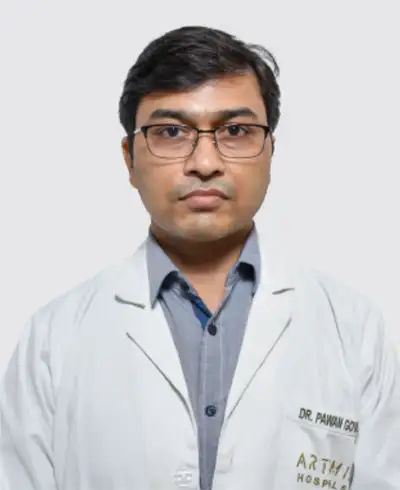 Dr. Pawan Goyal Dr. Artemis Hospital uzoefu wa miaka 18 · ★ 4.7
 -
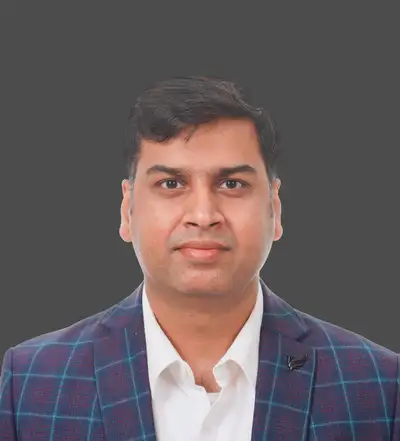 Dr. Ashish Kumar Dr. Amrita Hospital Faridabad uzoefu wa miaka 15 · ★ 4.5
 -
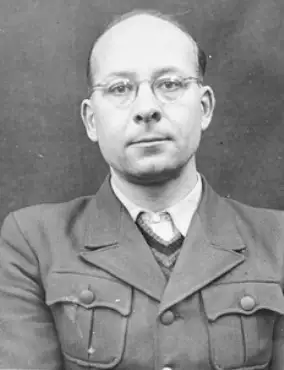 Helmut Poppendick Dr. Campus Virchow-Klinikum
 -
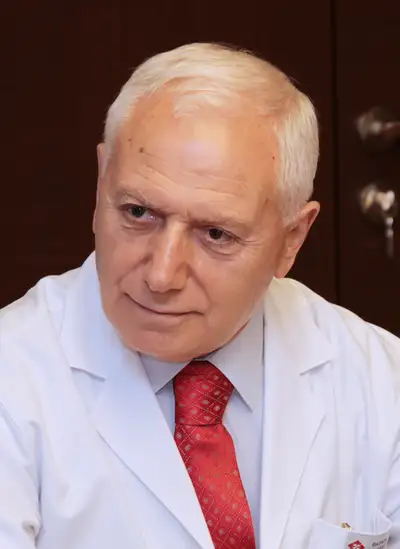 Mehmet Haberal Dr. Başkent University Medical and Research Center of Alanya
 -
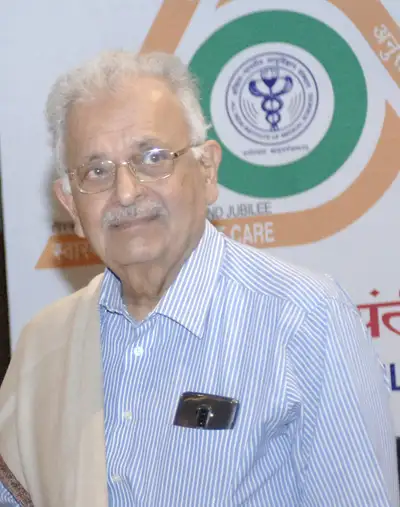 Santosh Kumar Kacker Dr. All India Institute of Medical Sciences, New Delhi
 -
 Samuel Mitja Rapoport Dr. Charité
04 · Where to go
Destinations for Orthopedics
| Orthopedics nchini India | 3,339 hospitals | Country guide |
|---|---|---|
| Orthopedics nchini Germany | 2,144 hospitals | Country guide |
| Orthopedics nchini Thailand | 1,429 hospitals | Country guide |
| Orthopedics nchini Turkey | 675 hospitals | Country guide |
| Orthopedics nchini South Korea | 297 hospitals | Country guide |
| Orthopedics nchini Malaysia | 245 hospitals | Country guide |
| Orthopedics nchini Saudi Arabia | 55 hospitals | Country guide |
| Orthopedics nchini Singapore | 53 hospitals | Country guide |
| Orthopedics nchini United Arab Emirates | 50 hospitals | Country guide |
Outcomes at a glance
What patients in orthopedics care typically see
Averages across the 52 procedures in this specialty. Your case manager will quote outcomes specific to your indication and chosen surgeon.
Society guidelines · current edition
Sub-specialties
Within orthopedics
Joint replacement
Hip, knee, shoulder, elbow, ankle. Implant choice and surgical approach matter; revision-rate data is the key metric.
Spine
Degenerative, deformity (scoliosis), tumor, trauma. Most rigorous evaluation needed for axial-pain-predominant cases.
Sports medicine
ACL, meniscus, rotator cuff, hip arthroscopy. Often outpatient or short-stay.
Hand and upper extremity
Carpal tunnel, trigger finger, tendon repair, complex reconstruction.
Trauma
Fracture management, complex pelvic fractures. Generally not international travel.
Pediatric orthopedics
Scoliosis, congenital deformities, growth modulation. Specialized centers.
Program quality
What to look for
- Surgeon's annual case volume on your specific procedure.
- Implant brand and revision-rate data (10-year and 20-year).
- Sub-specialty match (sports medicine surgeon for sports injury, joint reconstruction for replacement).
- Pre-hab program (4-6 weeks of supervised PT before surgery measurably improves outcomes).
- Inpatient PT integration during admission.
- Outpatient PT continuity for first 12 weeks post-op.
- DVT prophylaxis protocol that extends after discharge.
Volume thresholds
Surgeon volume benchmarks
| 200+ joint replacements/year | Top-tier; revision rates typically 5-10% at 10 years |
|---|---|
| 100–200/year | Strong; experienced surgeons with consistent technique |
| 50–100/year | Moderate; ask for specific outcome data |
| Under 50/year | Lower volume; revision rates measurably higher |
Destinations
Where this is commonly done
India
Highest joint replacement volumes globally. Apollo, Fortis, Max, Medanta. Excellent cost-quality ratio.
Turkey
Strong joint replacement and spine in Istanbul and Ankara.
Thailand
Bumrungrad and Bangkok Hospital — established orthopedic programs.
Germany
Best for complex revision surgery and spine. Premium pricing.
Korea
Strong on robotic-assisted joint replacement.
Patient journey
The typical care flow
Conservative management
PT, NSAIDs, activity modification, injections — 3+ months minimum before considering surgery for most cases.
Imaging + decision
Plain X-rays + MRI for soft tissue. Surgical decision based on imaging + symptoms.
Pre-op optimization
Weight optimization, smoking cessation, glycemic control. 4-6 week pre-hab program.
Surgery + admission
3-7 day stay typical for joint replacement; 1-3 days for sports work; 5-10 days for spine.
Rehab + follow-up
Daily PT first weeks; transition to home PT; functional return at 6-12 weeks for joints, 12-24 weeks for spine.
Questions
What to ask the program
- How many of these implants have you placed in the last 12 months?
- What's your revision rate at 5 years on this implant?
- Why are you choosing this implant or approach for me specifically?
- What's the rehab plan, and is physiotherapy included in the package?
- What's your DVT prophylaxis protocol, and do you continue it after I fly home?
Decision check
Is this specialty right for your case?
- Have you tried 3+ months of structured conservative management?
- Does your imaging finding correlate with your symptoms?
- Is the recommended implant or approach evidence-supported for your specific case?
- Can you commit to 12-week PT post-op?
- Is your home environment ready for recovery?
05 · FAQ
Common questions about Orthopedics abroad
How do I pick a hospital for Orthopedics?
Start with three filters: annual case volume for the specific procedure (not the specialty as a whole), the surgeon's personal experience with your condition, and what the follow-up plan looks like for months 3–12 after you're back home. Hospital brand matters less than the specific team you'll be under.
What's the cost difference between countries for orthopedics?
Cost differences between destinations for orthopedics can run 3–10× depending on the procedure and the country. The gap is usually driven by surgeon/labor costs and facility overhead rather than technology or outcomes — many mid-cost destinations run the same equipment as premium markets.
Is a second opinion worth it before booking orthopedics?
For most elective procedures in orthopedics, yes. A multidisciplinary review often changes the treatment recommendation — sometimes away from surgery, sometimes toward a different approach. We coordinate free second opinions across our partner programs before any travel is booked.
How long should I plan to be abroad for orthopedics treatment?
Plan for the procedure + the first follow-up to happen before you fly back. Simple procedures can be a 1–2 week trip; complex surgery often needs 3–6 weeks. Your coordinator will give you a date-specific plan once your clinical details are in.
What happens if I have a complication after flying home?
A good program will have a clear follow-up pathway: direct messaging with the surgical team, imaging sharing, and — in the rare case of a serious complication — a pathway for return or for local handoff to a partner hospital. Ask about this specifically before booking; ambiguity here is the single biggest red flag.
Specialty depth
How to shortlist a credible orthopedics specialist
A board certification in orthopedics is the floor, not the ceiling. Senior practice in this field is sub-specialised — the right surgeon for your case is the one whose volume, fellowship, and audit data line up with the specific operation you need.
Sub-specialties to be aware of
Hip, knee, shoulder primary and revision; cemented vs cementless; ceramic vs metal-on-poly bearings.
Decompression, fusion, disc replacement, deformity correction — sub-specialised between neurosurgical and orthopaedic spine teams.
ACL/PCL/meniscus, rotator-cuff repair, hip arthroscopy, ankle ligament reconstruction.
Polytrauma, pelvic and acetabular fractures, limb-salvage, Ilizarov.
Replantation, brachial-plexus, peripheral-nerve repairs — distinct credentialling pathway.
How outcomes get measured
- Implant survival at 10 / 15 / 20 years (national joint registries publish this — UK NJR, Australian AOANJRR, Swedish Hip).
- Functional outcome scores (Oxford, KOOS, HOOS, ASES) measured pre-op and at 1 / 5 years.
- Surgical site infection rate — should be below 1% for elective primary joint.
- Revision rate, stratified by primary diagnosis (osteoarthritis vs rheumatoid vs trauma).
- Length of stay and discharge-to-home rate — proxies for protocol maturity.
What a credible specialist looks like
- Volume — a senior arthroplasty surgeon should be doing 200+ primary joints per year; revision specialists 50+ revisions.
- Implant traceability — the centre should be able to tell you the brand, model, batch, and expected lifespan of every component.
- Enhanced-recovery protocol (ERAS) — same-day or next-day mobilisation, multimodal analgesia, no opioid-default discharge plans.
- Subspecialty fellowship (joint replacement, spine, sports, hand) — generalist orthopaedic surgeons are still common in some markets.
Mbinu na viwango vya uhariri
This orthopedics hub draws on 8,287 accredited hospitals running active orthopedics programs across 9 destinations.
- Taarifa za hospitali. Ithibati, leseni na vifaa vinakaguliwa kwenye rejista za umma (JCI, NABH, orodha za leseni za wizara za afya) na nyaraka za hospitali, na kukaguliwa upya mara kwa mara.
- Sifa za madaktari. Elimu na utaalamu vinatoka kwenye wasifu wa daktari hospitalini na rejista za mabaraza ya madaktari ya kitaifa.
- Bei. Viwango vya bei vinatoka kwenye makadirio na vifurushi vya maandishi vya hospitali, si bei za matangazo.
- Maandishi ya kitabibu. Yanaandikwa na timu yetu ya uhariri na kukaguliwa dhidi ya miongozo ya sasa kabla ya kuchapishwa.
- Uhuru. Hospitali haziwezi kulipa ili kubadilisha nafasi yao kwenye kurasa zetu.
Huduma ya Orthopedics
Endelea kuchunguza orthopedics
Ukurasa huu ni njia moja tu. Kurasa hizi zinakuwezesha kutafuta kwa daktari wa upasuaji, nchi, utaratibu au ugonjwa, kulingana na uamuzi unaofanya.
- Madaktari wa upasuaji Madaktari wote wa orthopedics Orodha ya madaktari wa upasuaji katika nchi zote.
- Hospitali Hospitali zinazotoa orthopedics Programu za taaluma hii katika mtandao wetu.
- Vinjari Magonjwa yote Kutoka ugonjwa hadi taaluma hadi matibabu ya kwanza.
- Vinjari Taratibu zote Muda wa kupona na bei za hospitali kwa kila utaratibu.
- Vinjari Nchi za matibabu Gharama za matibabu, programu za hospitali na miongozo ya viza.
- Bora zaidi Programu bora za orthopedics Zimepangwa kwa taaluma na nchi, pamoja na maelezo ya mbinu.
- Linganisha Linganisha hospitali Uidhinishaji, vitanda na bei kando kwa kando.
- Linganisha Linganisha madaktari Madaktari wakilinganishwa kwa uzoefu, ada na lugha.
- Zana Kikokotoo cha gharama Bei zilizotolewa na hospitali kwa utaratibu na nchi.
- Zana Mechi kwa maswali matatu Jibu maswali matatu upate orodha fupi ya taaluma, nchi na hospitali.
- Uaminifu Bodi ya matibabu Madaktari wanaokagua maudhui yetu ya kitabibu.
- Hatua Maoni ya pili bure Mtaalamu anapitia ripoti zako bila malipo.
Hatua inayofuata · Orthopedics
Share your case. Get a Orthopedics shortlist in 48 hours.
Njia tatu za kuendelea. Chagua inayokufaa sasa hivi.