Turbinoplasty (Inferior Turbinate Reduction) cost abroad (2026)
Turbinoplasty (Inferior Turbinate Reduction) starts from about $2,450 in India. Typical hospital prices from 72 price records across 9 countries. Pick a country to see its hospitals, surgeons and visa steps.
- 7 days to full recovery
- 9 countries compared
- 94% reported success rate
Prices are hospital price ranges from our database, not a final quote. How we check
Estimate your total cost
Choose your options. The price updates straight away.
Hospital package = typical price range from 8 hospital prices.
Room and implant choices use rough adjustments (est.). Meals at about $15 per person per day. Flights not included.
Get 3 real quotes for this estimateTop hospitals for Turbinoplasty (Inferior Turbinate Reduction) by country
How we rankRanked by accreditation, patient rating and review count, then price.
-
 1 Indraprastha Apollo HospitalNew Delhi · India · ISO 9001 · JCI · NABH · ★ 4.9From$1,420from $1,420 2 doctors listed JCI accredited
-
 2 Bumrungrad InternationalBangkok · Thailand · HA · ISO 9001 · JCI · ★ 4.8From$1,670from $1,670 JCI accredited
-
 3 Asan Medical CenterSeoul · South Korea · ISO 9001 · JCI · KOIHA · ★ 4.8From$2,950from $2,950 21 doctors listed JCI accredited
-
 4 Cleveland Clinic Abu DhabiAbu Dhabi · United Arab Emirates · DHA · DOH · JCI · ★ 4.7From$3,390from $3,390 JCI accredited
-
 5 Mount Elizabeth HospitalSingapore · Singapore · ISO 9001 · JCI · ★ 4.7From$3,890from $3,890 JCI accredited
-
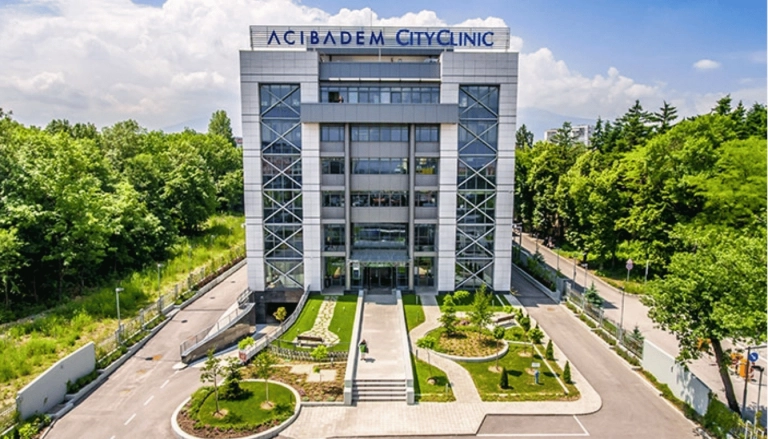 6 Acıbadem Maslak HospitalIstanbul · Turkey · ISO 9001 · JCI · ★ 4.6From$2,130from $2,130 JCI accredited
Get the Turbinoplasty (Inferior Turbinate Reduction) cost & planning report
A free PDF built from today's listed prices. Keep it, print it or send it to your family on WhatsApp.
What's inside
- Prices by country, city and hospital, compared with home
- All-in trip budget: treatment, stay, food, visa
- Day-by-day timeline and recovery milestones
- Visa summary, preparation checklist and questions to ask
- Treatment (typical listed price) 76% $2,450
- Accommodation 11% $350
- Food 7% $200
- Local transport 2% $50
- Visa fees 5% $150
- Estimated total$3,250
Source: medcasts.com · prices as of May 2026
✓ Your report is ready
Download PDF Send to my family on WhatsApp Ask a coordinator on WhatsApp → Get a personal quote instead →Get a free second opinion in 48 hours.
Send your scans and reports. A senior specialist reviews them and replies in writing.
Top Turbinoplasty (Inferior Turbinate Reduction) surgeons

Turbinoplasty (Inferior Turbinate Reduction) prices by country
Typical hospital price per country, from 72 price records in the Medcasts database.
What a hospital quote usually includes
- Surgeon, anaesthesia and operating room
- Your hospital stay and nursing care
- Routine tests and medicines during the stay
- Free Medcasts coordinator, visa letter help and airport pickup arrangements
- Not included: flights and hotel after discharge
Every quote we send lists what is and isn't included, line by line.
Your recovery plan
- Days 1–3Blocked nose, mild bleeding and pressure; rest.
- Week 1Crusting and discharge; start saline rinses.
- Weeks 2–3Breathing improves as swelling reduces.
- Months 1–3Results settle; the turbinates may regrow slightly.
Medical visa times by destination
Visa processing time by destination
We send the hospital invitation letter within 24 hours of your decision. Check your visa
About Turbinoplasty (Inferior Turbinate Reduction)
The surgeon shrinks the turbinates inside the nose using radiofrequency, cautery, a powered shaver or partial removal of tissue or bone, under local or general anaesthesia. No external cuts are needed. It is often done alongside septoplasty or sinus surgery. The aim is to reduce bulk while keeping as much of the nasal lining as possible so the nose stays moist.
Most people breathe more easily after swelling settles, though turbinates can swell again over time, particularly with ongoing allergy. Results depend on the method, the underlying cause of swelling and avoiding over-resection, which can cause dryness and crusting. Bleeding and infection are uncommon. Surgeon technique matters in balancing relief against lining preservation.
Usually a day case. Expect congestion, crusting and light bleeding for one to two weeks, and use saline rinses as advised. Many people fly home within a few days after clearance. Bring your allergy history, and arrange follow-up with a local ENT doctor to clear crusts and manage allergy treatment.
Usually a good fit if
- Persistent blockage from enlarged turbinates despite medicine.
- Blockage related to allergic or non-allergic rhinitis.
- Snoring from nasal obstruction.
- A normal septum or septal surgery planned at the same time.
May need to wait if
- Blockage mainly caused by a crooked septum that needs different surgery.
- Bleeding disorders or blood thinners not reviewed by your doctor.
- Very dry nose or atrophic rhinitis.
- Active infection or uncontrolled allergy.
How to prepare
- Bring records of nasal sprays and allergy treatment you have already tried.
- Tell the team about blood thinners and aspirin; changes are on your doctor's instruction.
- Follow fasting instructions if sedation or general anaesthesia is planned.
- Buy saline spray and plan to rest for a few days.
Questions to ask your surgeon
- Which technique will you use and why?
- What amount of tissue will be removed?
- What is the risk of dryness or empty nose symptoms?
- Will it be done with septal or sinus surgery?
- What nasal care should I continue at home?
Red flags when comparing hospitals
- Large parts of turbinate are removed without discussion.
- No nasal endoscopy first.
- Risks of dryness and crusting are not explained.
- No advice on saline rinses or review.
Questions about Turbinoplasty (Inferior Turbinate Reduction) abroad
Which country is cheapest for Turbinoplasty (Inferior Turbinate Reduction)?
The lowest typical hospital prices are in India ($2,448), Thailand ($2,883), Turkey ($3,583), out of 9 countries we compare.
Will it last?
Many people notice lasting improvement, but turbinates can swell again, especially with allergy.
Is it painful?
Usually mild pressure and blockage, easily managed with simple pain relief.
What is empty nose syndrome?
A rare condition after excessive turbinate removal causing a paradoxical feeling of blockage and dryness. Conservative techniques reduce this risk.