Brachytherapy (Internal Radiation) abroad: best countries and costs (2026)
Brachytherapy (Internal Radiation) starts from about $6,100 in India. Compare 72 hospital price records across 9 countries. Choose a country to see hospitals, surgeons and visa information.
- 1 nights in hospital
- 14 days to full recovery
- 9 countries compared
- 88% reported success rate
Prices are hospital price ranges from our database, not a final quote. How we check
Brachytherapy (Internal Radiation) cost guide: what's included, what moves the price, red flags
Estimate your total cost
Choose your options. The price updates straight away.
The hospital estimate uses the typical range across 8 hospital prices.
Room and implant choices use rough adjustments (est.). Meals at about $15 per person per day. Flights not included.
Request 3 hospital quotesTop hospitals for Brachytherapy (Internal Radiation) by country
How we rankRanked by accreditation, patient rating and review count, then price.
-
 1 Indraprastha Apollo HospitalNew Delhi · India · ISO 9001 · JCI · NABH · ★ 4.9From$6,340from $6,340 2 doctors listed JCI accredited
-
 2 Bumrungrad InternationalBangkok · Thailand · HA · ISO 9001 · JCI · ★ 4.8From$8,310from $8,310 JCI accredited
-
 3 Asan Medical CenterSeoul · South Korea · ISO 9001 · JCI · KOIHA · ★ 4.8From$12,040from $12,040 21 doctors listed JCI accredited
-
 4 Cleveland Clinic Abu DhabiAbu Dhabi · United Arab Emirates · DHA · DOH · JCI · ★ 4.7From$13,740from $13,740 JCI accredited
-
 5 Mount Elizabeth HospitalSingapore · Singapore · ISO 9001 · JCI · ★ 4.7From$15,780from $15,780 JCI accredited
-
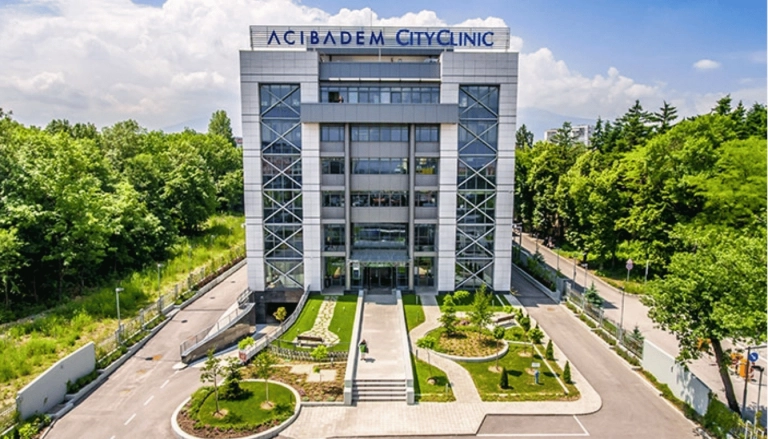 6 Acıbadem Maslak HospitalIstanbul · Turkey · ISO 9001 · JCI · ★ 4.6From$9,500from $9,500 JCI accredited
Get the Brachytherapy (Internal Radiation) cost & planning report
A free PDF built from today's listed prices. Keep it, print it or send it to your family on WhatsApp.
What's inside
- Prices by country, city and hospital, compared with home
- All-in trip budget: treatment, stay, food, visa
- Day-by-day timeline and recovery milestones
- Visa summary, preparation checklist and questions to ask
- Treatment (typical listed price) 88% $10,200
- Accommodation 6% $700
- Food 4% $400
- Local transport 1% $100
- Visa fees 1% $150
- Estimated total$11,600
Source: medcasts.com · prices as of May 2026
✓ Your report is ready
Download PDF Send to my family on WhatsApp Ask a coordinator on WhatsApp → Get a personal quote instead →Get a free second opinion in 48 hours.
Send your scans and reports. A senior specialist reviews them and replies in writing.
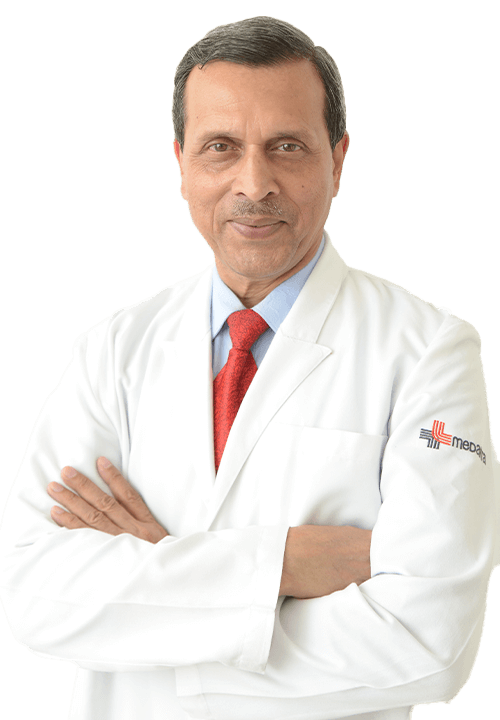
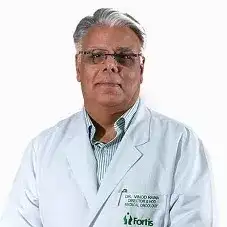
Top Brachytherapy (Internal Radiation) surgeons
Brachytherapy (Internal Radiation) prices by country
Typical hospital price per country, from 72 price records in the Medcasts database.
What a hospital quote usually includes
- Surgeon, anaesthesia and operating room
- About 1 nights in hospital, with nursing care
- Routine tests and medicines during the stay
- Free Medcasts coordinator, visa letter help and airport pickup arrangements
- Not included: flights and hotel after discharge
Every quote we send lists what is and isn't included, line by line.
Your recovery plan
- Days 1–3Mild soreness, urinary frequency or a catheter may occur; most patients are home within a day or two.
- Weeks 1–4Urinary irritation or bowel urgency is common; simple medicines can help, and light activity resumes.
- Months 2–3Side effects usually ease as radiation effect settles; a first review checks symptoms and tumour markers.
- Months 6–12Tumour markers or scans show treatment response, with follow-up continuing for years.
Medical visa times by destination
Visa processing time by destination
We send the hospital invitation letter within 24 hours of your decision. Check your visa
About Brachytherapy (Internal Radiation)
The source is delivered through needles, catheters or an applicator guided by ultrasound, CT or MRI. Low-dose-rate treatment leaves tiny seeds in place permanently, while high-dose-rate treatment passes a source through the catheters for a few minutes and then removes it. It may be the sole treatment or a boost alongside external beam radiotherapy, and the choice depends on the cancer type, size and stage.
Brachytherapy aims to control the tumour locally, and results depend heavily on cancer stage and grade, how well the source is positioned, and the experience of the radiation oncologist and physicist planning the dose. Side effects tend to be confined to nearby organs, such as urinary or bowel irritation after prostate treatment, and many settle over weeks to months. Your team will explain what to expect for your specific cancer.
Most people spend one to a few days in hospital, and high-dose-rate schedules may need several visits over days or weeks, so ask how long to plan to stay. Bring your scans and pathology reports. After permanent seeds, you may get short-term radiation-safety advice about contact with children and pregnant women. Arrange follow-up scans and blood tests with your doctor at home.
Usually a good fit if
- Early-stage prostate cancer, or cervical and other pelvic cancers, where a boost of internal radiation is part of the plan.
- A tumour small and well defined enough on imaging for the applicator or seeds to cover it.
- Fit enough for anaesthesia and able to follow radiation-safety instructions afterwards.
May need to wait if
- A very large prostate or a tumour that has spread beyond the treatable area may make seed placement unsuitable.
- Previous pelvic radiation or severe urinary obstruction can raise the risk of side effects and needs specialist review.
- Active infection, or uncontrolled bleeding disorders, should be treated before any needle placement.
How to prepare
- Bring all staging scans, biopsy reports and PSA or other tumour-marker results so the team can plan the dose.
- Ask your doctor which blood thinners or other medicines to adjust before needle or applicator placement.
- Follow the fasting and bowel-preparation instructions given for the anaesthesia and the planning scan.
- Arrange to stay near the hospital for planning scans and any repeat HDR sessions.
- Ask about radiation-safety advice, such as time near children or pregnant women if permanent seeds are used.
Questions to ask your surgeon
- Is my cancer suited to permanent seeds, HDR, or external radiation combined with a brachytherapy boost?
- Which imaging guides placement and how is the dose planned and checked?
- How many procedures do I need and how long must I stay near the hospital?
- What radiation-safety rules apply at home, and for how long?
- What urinary, bowel or sexual side effects should I expect, and how are they managed?
- How will response be tracked, and who reviews my scans and blood tests at home?
Red flags when comparing hospitals
- No radiation oncologist or physicist is named as part of the planning team.
- Treatment is offered without recent staging scans or a documented dose plan.
- No clear explanation of radiation-safety precautions for permanent seeds.
- Brachytherapy is suggested for every stage without discussing external radiation or surgery.
Questions about Brachytherapy (Internal Radiation) abroad
Which country is cheapest for Brachytherapy (Internal Radiation)?
The lowest typical hospital prices are in India ($10,205), Thailand ($12,250), Turkey ($14,918), out of 9 countries we compare.
How long will I stay in hospital for Brachytherapy (Internal Radiation)?
Most patients spend about 1 nights in hospital. Full recovery takes about 14 days; your surgeon will tell you when you are fit to fly home.
Is brachytherapy painful?
The procedure is done under anaesthesia, so you should feel nothing. Afterwards there may be soreness, urinary irritation or mild perineal discomfort, which medicines usually control.
Will I be radioactive?
With temporary HDR sources you are not radioactive afterwards. With permanent seeds, radiation is low and confined near the body, so your team may advise limiting close contact with children and pregnant women for a period.
Can I fly home afterwards?
Often within a few days, but your team will confirm. Permanent seeds can occasionally trigger airport detectors, so ask for a letter describing the implant.
Is it used alone or with other treatment?
Either. Early prostate cancer may use brachytherapy alone; higher-risk prostate and cervical cancer usually combine it with external radiation, and sometimes hormone therapy or chemotherapy.