VSD (Ventricular Septal Defect) Closure cost abroad (2026)
VSD (Ventricular Septal Defect) Closure starts from about $9,400 in India. Typical hospital prices from 72 price records across 9 countries. Pick a country to see its hospitals, surgeons and visa steps.
- 6 nights in hospital
- 35 days to full recovery
- 9 countries compared
- 97% reported success rate
Prices are hospital price ranges from our database, not a final quote. How we check
VSD (Ventricular Septal Defect) Closure cost guide: what's included, what moves the price, red flags
Estimate your total cost
Choose your options. The price updates straight away.
Hospital package = typical price range from 8 hospital prices.
Room and implant choices use rough adjustments (est.). Meals at about $15 per person per day. Flights not included.
Get 3 real quotes for this estimateTop hospitals for VSD (Ventricular Septal Defect) Closure by country
How we rankRanked by accreditation, patient rating and review count, then price.
-
 1 Indraprastha Apollo HospitalNew Delhi · India · ISO 9001 · JCI · NABH · ★ 4.9From$7,400from $7,400 2 doctors listed JCI accredited
-
 2 Bumrungrad InternationalBangkok · Thailand · HA · ISO 9001 · JCI · ★ 4.8From$8,900from $8,900 JCI accredited
-
 3 Asan Medical CenterSeoul · South Korea · ISO 9001 · JCI · KOIHA · ★ 4.8From$13,560from $13,560 21 doctors listed JCI accredited
-
 4 Cleveland Clinic Abu DhabiAbu Dhabi · United Arab Emirates · DHA · DOH · JCI · ★ 4.7From$14,660from $14,660 JCI accredited
-
 5 Mount Elizabeth HospitalSingapore · Singapore · ISO 9001 · JCI · ★ 4.7From$17,890from $17,890 JCI accredited
-
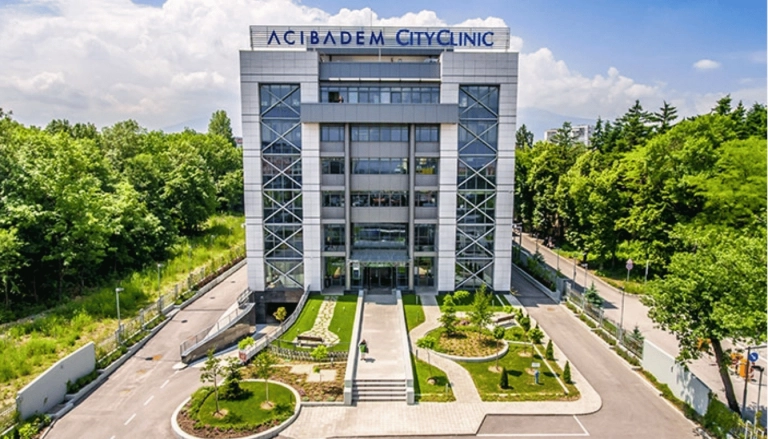 6 Acıbadem Maslak HospitalIstanbul · Turkey · ISO 9001 · JCI · ★ 4.6From$9,610from $9,610 JCI accredited
Get the VSD (Ventricular Septal Defect) Closure cost & planning report
A free PDF built from today's listed prices. Keep it, print it or send it to your family on WhatsApp.
What's inside
- Prices by country, city and hospital, compared with home
- All-in trip budget: treatment, stay, food, visa
- Day-by-day timeline and recovery milestones
- Visa summary, preparation checklist and questions to ask
- Treatment (typical listed price) 85% $9,400
- Accommodation 8% $900
- Food 5% $550
- Local transport 1% $150
- Visa fees 1% $150
- Estimated total$11,100
Source: medcasts.com · prices as of May 2026
✓ Your report is ready
Download PDF Send to my family on WhatsApp Ask a coordinator on WhatsApp → Get a personal quote instead →Get a free second opinion in 48 hours.
Send your scans and reports. A senior specialist reviews them and replies in writing.
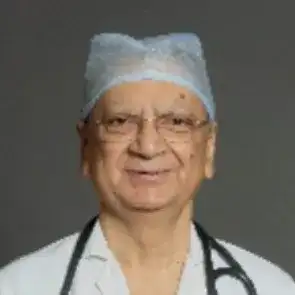
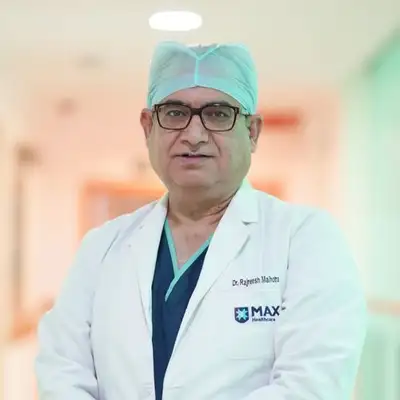
Top VSD (Ventricular Septal Defect) Closure surgeons



VSD (Ventricular Septal Defect) Closure prices by country
Typical hospital price per country, from 72 price records in the Medcasts database.
What a hospital quote usually includes
- Surgeon, anaesthesia and operating room
- About 6 nights in hospital, with nursing care
- Routine tests and medicines during the stay
- Free Medcasts coordinator, visa letter help and airport pickup arrangements
- Not included: flights and hotel after discharge
Every quote we send lists what is and isn't included, line by line.
Your recovery plan
- Days 1–2Intensive care monitoring, pain control, breathing support removed, drains in place.
- Days 3–6Ward recovery, feeding and walking, drains and wires removed, discharge once stable.
- Weeks 2–4Rest at home, protect the breastbone, wound care and short activities.
- Weeks 5–6Return to school or work and normal play as the doctor permits.
Medical visa times by destination
Visa processing time by destination
We send the hospital invitation letter within 24 hours of your decision. Check your visa
About VSD (Ventricular Septal Defect) Closure
In the usual operation the child is under general anaesthesia on a heart-lung machine, and the surgeon sews a patch over the hole through the right atrium or ventricle. Selected defects can be closed with a device passed through a catheter, and some small holes close on their own and need only observation.
Once the hole is closed, the extra blood flow to the lungs stops, breathing and feeding improve, and children usually grow and develop normally. Outcomes depend on the size and position of the defect, whether lung pressures have already risen, and the experience of the congenital heart team. Rhythm problems and small leftover leaks are possible.
Plan on about a week in hospital and four to six weeks of gentle recovery before full activity or school. Bring echo reports and the child's cardiology notes. Arrange paediatric cardiology follow-up at home, and ask the team when it is safe to fly and what to watch for in the first weeks.
Usually a good fit if
- Large defects causing heart failure, poor growth or breathing problems in babies and children.
- Moderate defects with enlarged heart chambers or progressive aortic valve problems.
- Adults with a significant left-to-right shunt and symptoms.
May need to wait if
- Very high lung pressures (Eisenmenger physiology), where closing the hole may be harmful.
- Small defects that are closing or causing no problems, where observation is preferred.
- Active infection that should be treated first.
How to prepare
- Bring all echo reports and cardiac catheter or MRI findings that show the size and position of the hole.
- Expect echo, ECG, chest X-ray and blood tests; adults may also need a coronary check.
- Treat chest infections and dental problems beforehand and keep vaccinations up to date.
- Ask the cardiologist about diuretics or other medicines; follow their instruction only.
- Arrange a companion for the child or adult, and plan flight timing with the surgeon.
Questions to ask your surgeon
- Is surgery or a device closure better for this type of VSD?
- Where is the defect, and does it affect nearby valves or the electrical system?
- How many VSD closures does your team perform each year?
- Is paediatric cardiac intensive care available?
- What is the risk of heart block needing a pacemaker?
- What follow-up and activity limits apply afterwards?
Red flags when comparing hospitals
- No echo or catheter assessment of lung pressures before recommending closure.
- Closing a very small defect with no symptoms, without clear reasoning.
- No paediatric cardiac anaesthesia or intensive care for children.
- No follow-up plan after repair.
Questions about VSD (Ventricular Septal Defect) Closure abroad
Which country is cheapest for VSD (Ventricular Septal Defect) Closure?
The lowest typical hospital prices are in India ($9,408), Thailand ($11,863), Turkey ($13,400), out of 9 countries we compare.
How long will I stay in hospital for VSD (Ventricular Septal Defect) Closure?
Most patients spend about 6 nights in hospital. Full recovery takes about 35 days; your surgeon will tell you when you are fit to fly home.
Will the hole close on its own?
Small defects often close naturally in childhood. Large defects usually do not, so they are repaired when they cause symptoms.
Is a pacemaker likely?
Heart block is uncommon but a recognised risk because the hole lies near the electrical pathway. The team will monitor rhythm closely.
Can my child play sports later?
Most children return to normal activity after recovery and review, but your cardiologist will confirm for your child.