Transarterial Chemoembolisation (TACE) cost abroad (2026)
Transarterial Chemoembolisation (TACE) starts from about $8,600 in India. Typical hospital prices from 72 price records across 9 countries. Pick a country to see its hospitals, surgeons and visa steps.
- 2 nights in hospital
- 14 days to full recovery
- 9 countries compared
- 70% reported success rate
Prices are hospital price ranges from our database, not a final quote. How we check
Transarterial Chemoembolisation (TACE) cost guide: what's included, what moves the price, red flags
Estimate your total cost
Choose your options. The price updates straight away.
Hospital package = typical price range from 8 hospital prices.
Room and implant choices use rough adjustments (est.). Meals at about $15 per person per day. Flights not included.
Get 3 real quotes for this estimateTop hospitals for Transarterial Chemoembolisation (TACE) by country
How we rankRanked by accreditation, patient rating and review count, then price.
-
 1 Indraprastha Apollo HospitalNew Delhi · India · ISO 9001 · JCI · NABH · ★ 4.9From$5,140from $5,140 2 doctors listed JCI accredited
-
 2 Bumrungrad InternationalBangkok · Thailand · HA · ISO 9001 · JCI · ★ 4.8From$6,900from $6,900 JCI accredited
-
 3 Asan Medical CenterSeoul · South Korea · ISO 9001 · JCI · KOIHA · ★ 4.8From$10,710from $10,710 21 doctors listed JCI accredited
-
 4 Cleveland Clinic Abu DhabiAbu Dhabi · United Arab Emirates · DHA · DOH · JCI · ★ 4.7From$11,500from $11,500 JCI accredited
-
 5 Mount Elizabeth HospitalSingapore · Singapore · ISO 9001 · JCI · ★ 4.7From$13,970from $13,970 JCI accredited
-
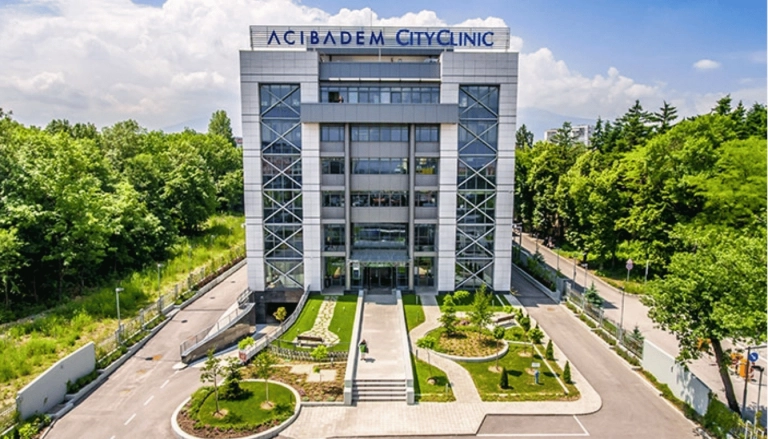 6 Acıbadem Maslak HospitalIstanbul · Turkey · ISO 9001 · JCI · ★ 4.6From$8,220from $8,220 JCI accredited
Get the Transarterial Chemoembolisation (TACE) cost & planning report
A free PDF built from today's listed prices. Keep it, print it or send it to your family on WhatsApp.
What's inside
- Prices by country, city and hospital, compared with home
- All-in trip budget: treatment, stay, food, visa
- Day-by-day timeline and recovery milestones
- Visa summary, preparation checklist and questions to ask
- Treatment (typical listed price) 86% $8,600
- Accommodation 7% $700
- Food 4% $450
- Local transport 1% $100
- Visa fees 2% $150
- Estimated total$10,000
Source: medcasts.com · prices as of May 2026
✓ Your report is ready
Download PDF Send to my family on WhatsApp Ask a coordinator on WhatsApp → Get a personal quote instead →Get a free second opinion in 48 hours.
Send your scans and reports. A senior specialist reviews them and replies in writing.
Top Transarterial Chemoembolisation (TACE) surgeons
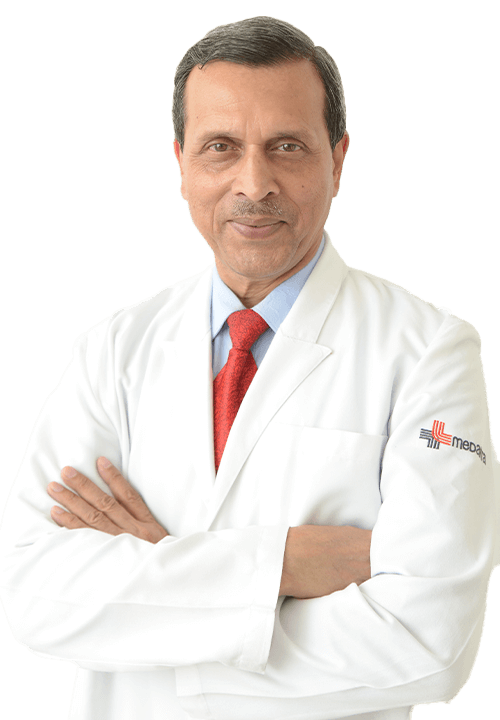
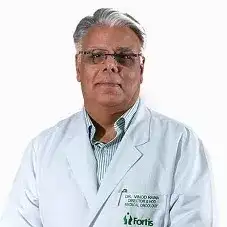
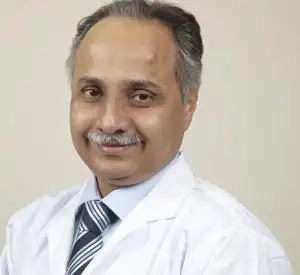
Transarterial Chemoembolisation (TACE) prices by country
Typical hospital price per country, from 72 price records in the Medcasts database.
What a hospital quote usually includes
- Surgeon, anaesthesia and operating room
- About 2 nights in hospital, with nursing care
- Routine tests and medicines during the stay
- Free Medcasts coordinator, visa letter help and airport pickup arrangements
- Not included: flights and hotel after discharge
Every quote we send lists what is and isn't included, line by line.
Your recovery plan
- Days 1-3Post-embolisation syndrome: abdominal pain, nausea, low fever and tiredness are common and managed with medicines. Most people go home after one or two nights.
- Week 1-2Fatigue and reduced appetite gradually ease. Avoid heavy lifting and keep the groin puncture site clean.
- Weeks 4-6Follow-up scan and liver blood tests show what proportion of the tumour responded and whether another session is needed.
- Months 3-6Repeat treatments or switch to another therapy depending on scans; regular surveillance continues.
Medical visa times by destination
Visa processing time by destination
We send the hospital invitation letter within 24 hours of your decision. Check your visa
About Transarterial Chemoembolisation (TACE)
An interventional radiologist passes a thin catheter through the groin or wrist up to the hepatic artery under X-ray guidance. Chemotherapy, mixed with oil or loaded onto small beads, is injected into the branches supplying the tumour, followed by particles that cut off its blood flow. Conventional TACE and drug-eluting bead TACE are the two main techniques.
TACE aims to shrink or control tumours, relieve symptoms and, for some people, hold the disease in check while waiting for a transplant. It rarely cures on its own. Results depend on tumour size and number, how well the liver is working, and whether further sessions or other treatments are added.
Expect about two days in hospital, with pain, nausea and fever common for several days afterwards. Plan to stay near the hospital until you feel well enough to travel. Bring recent CT or MRI scans, alpha-fetoprotein results and blood tests, and arrange liver follow-up scans at home, since repeat sessions are often needed.
Usually a good fit if
- Liver-confined hepatocellular carcinoma or liver metastases that cannot be cured by surgery or ablation.
- Preserved liver function, usually Child-Pugh class A or early B, with an open portal vein.
- Waiting for a liver transplant and needing the tumour controlled in the meantime.
- Good general fitness, allowing you to manage the post-embolisation symptoms.
May need to wait if
- Advanced liver failure, jaundice or fluid in the abdomen, where blocking blood flow could worsen liver function.
- Portal vein completely blocked by tumour, unless the specialist decides the risk is acceptable.
- Severe kidney impairment or uncontrolled contrast dye allergy.
- Active infection or an uncorrected bleeding tendency.
How to prepare
- Bring recent triphasic CT or MRI of the liver, alpha-fetoprotein levels and any biopsy reports so the team can confirm the tumour is suitable.
- Have liver function tests, clotting tests and kidney function checked, as contrast dye and reduced liver reserve both affect safety.
- Ask your doctor which blood thinners or diabetes medicines need adjusting; never stop them yourself.
- Tell the team about any contrast dye allergy or past kidney problems before travel.
- Plan to stay near the hospital for several days after treatment and ask whether a repeat session is likely.
Questions to ask your surgeon
- Is conventional TACE or drug-eluting bead TACE better for my tumour, and why?
- Has my case been discussed by a liver tumour board, and are ablation, surgery or Y-90 better options?
- How many TACE sessions do you expect, and how will response be measured?
- How do you protect my remaining liver function between sessions?
- What symptoms after discharge need urgent contact, and who can I reach from home?
- How many TACE procedures does your interventional team perform each year?
Red flags when comparing hospitals
- No review of recent liver imaging and blood tests before offering TACE.
- No multidisciplinary tumour board discussion or no mention of alternatives such as ablation or resection.
- Promising a cure from TACE alone for a large or multi-focal tumour.
- No interventional radiologist with liver experience, or no intensive care backup nearby.
Questions about Transarterial Chemoembolisation (TACE) abroad
Which country is cheapest for Transarterial Chemoembolisation (TACE)?
The lowest typical hospital prices are in India ($8,578), Thailand ($10,948), Malaysia ($12,540), out of 9 countries we compare.
How long will I stay in hospital for Transarterial Chemoembolisation (TACE)?
Most patients spend about 2 nights in hospital. Full recovery takes about 14 days; your surgeon will tell you when you are fit to fly home.
Is TACE painful?
Pain in the upper abdomen is common for a few days because the treated area is starved of blood. It is controlled with regular painkillers and anti-sickness medicines, and usually settles within a week.
Will TACE cure my liver cancer?
TACE usually controls rather than cures disease, though some small tumours respond completely. It is often repeated or combined with other treatments.
Why do I need a fever check afterwards?
A mild fever is expected, but a high or lasting fever with worsening pain can signal infection of the treated area and needs prompt assessment.
Can I fly home afterwards?
Most people wait until pain and fever settle and the follow-up bloods are stable, often about a week. Your radiologist will confirm.