Robotic CABG (TECAB) cost abroad (2026)
Robotic CABG (TECAB) starts from about $22,200 in India. Typical hospital prices from 72 price records across 9 countries. Pick a country to see its hospitals, surgeons and visa steps.
- 6 nights in hospital
- 35 days to full recovery
- 9 countries compared
- 96% reported success rate
Prices are hospital price ranges from our database, not a final quote. How we check
Robotic CABG (TECAB) cost guide: what's included, what moves the price, red flags
Estimate your total cost
Choose your options. The price updates straight away.
Hospital package = typical price range from 8 hospital prices.
Room and implant choices use rough adjustments (est.). Meals at about $15 per person per day. Flights not included.
Get 3 real quotes for this estimateTop hospitals for Robotic CABG (TECAB) by country
How we rankRanked by accreditation, patient rating and review count, then price.
-
 1 Indraprastha Apollo HospitalNew Delhi · India · ISO 9001 · JCI · NABH · ★ 4.9From$15,900from $15,900 2 doctors listed JCI accredited
-
 2 Bumrungrad InternationalBangkok · Thailand · HA · ISO 9001 · JCI · ★ 4.8From$19,050from $19,050 JCI accredited
-
 3 Asan Medical CenterSeoul · South Korea · ISO 9001 · JCI · KOIHA · ★ 4.8From$29,230from $29,230 21 doctors listed JCI accredited
-
 4 Cleveland Clinic Abu DhabiAbu Dhabi · United Arab Emirates · DHA · DOH · JCI · ★ 4.7From$38,400from $38,400 JCI accredited
-
 5 Mount Elizabeth HospitalSingapore · Singapore · ISO 9001 · JCI · ★ 4.7From$38,110from $38,110 JCI accredited
-
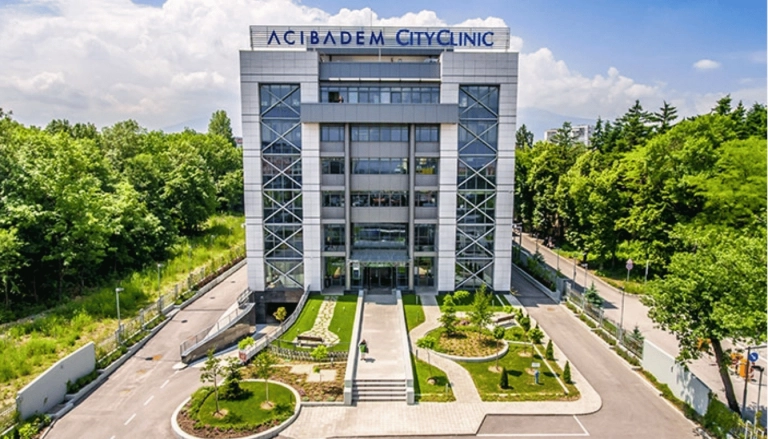 6 Acıbadem Maslak HospitalIstanbul · Turkey · ISO 9001 · JCI · ★ 4.6From$20,560from $20,560 JCI accredited
Get the Robotic CABG (TECAB) cost & planning report
A free PDF built from today's listed prices. Keep it, print it or send it to your family on WhatsApp.
What's inside
- Prices by country, city and hospital, compared with home
- All-in trip budget: treatment, stay, food, visa
- Day-by-day timeline and recovery milestones
- Visa summary, preparation checklist and questions to ask
- Treatment (typical listed price) 93% $22,200
- Accommodation 4% $900
- Food 2% $550
- Local transport 1% $150
- Visa fees 1% $150
- Estimated total$23,900
Source: medcasts.com · prices as of May 2026
✓ Your report is ready
Download PDF Send to my family on WhatsApp Ask a coordinator on WhatsApp → Get a personal quote instead →Get a free second opinion in 48 hours.
Send your scans and reports. A senior specialist reviews them and replies in writing.
Top Robotic CABG (TECAB) surgeons





Robotic CABG (TECAB) prices by country
Typical hospital price per country, from 72 price records in the Medcasts database.
What a hospital quote usually includes
- Surgeon, anaesthesia and operating room
- About 6 nights in hospital, with nursing care
- Routine tests and medicines during the stay
- Free Medcasts coordinator, visa letter help and airport pickup arrangements
- Not included: flights and hotel after discharge
Every quote we send lists what is and isn't included, line by line.
Your recovery plan
- Days 1–2Intensive care or high-dependency monitoring; chest drains out early and walking begins within a day.
- Days 3–6Ward recovery, walking more, port wounds clean and dry, discharge when pain and rhythm are stable.
- Weeks 2–4Light activity and daily walks; most people avoid heavy lifting for around four weeks.
- Weeks 5–8Return to work and driving once the surgeon agrees, cardiac rehabilitation recommended.
Medical visa times by destination
Visa processing time by destination
We send the hospital invitation letter within 24 hours of your decision. Check your visa
About Robotic CABG (TECAB)
Under general anaesthesia, the surgeon sits at a console and controls instruments inserted between the ribs. The internal mammary artery from the chest wall is freed and joined to the blocked coronary artery. The heart may be stopped on a heart-lung machine or the work done on the beating heart. Some centres combine robotic grafting with stents as a hybrid approach.
Bypass grafts using the mammary artery are known for lasting a long time, and the robotic route aims for the same graft quality with less pain and a faster return to normal life. Results depend heavily on case selection, which arteries need grafting, and the surgeon's robotic experience, as the technique is demanding and not offered everywhere.
Expect around a week in hospital and a few weeks before driving and heavier activity. Bring angiogram reports, scans and a full medication list. Once home, you will need cardiology follow-up, a supervised cardiac rehabilitation plan, and continued treatment of blood pressure, cholesterol and diabetes.
Usually a good fit if
- Blockage mostly in the front artery (LAD) or one to two vessels that are well suited to a mammary artery graft.
- Wish for less pain, a smaller scar and faster return to activity than breastbone surgery.
- Good lung function and normal chest anatomy that allow keyhole access.
May need to wait if
- Needing several bypasses in difficult arteries, or a very calcified target vessel.
- Severe lung disease, previous chest surgery or radiotherapy that makes keyhole access unsafe.
- Unstable heart condition or low pumping function where a standard open approach is safer.
How to prepare
- Bring your angiogram, echo, stress test and medication list so the team can confirm that robotic bypass is suitable.
- Expect a CT scan or lung function tests to check chest anatomy and whether you can tolerate single-lung ventilation.
- Ask your cardiologist about aspirin, clopidogrel and other blood thinners; only change them on their instruction.
- Stop smoking well before surgery, since it raises lung and wound problems.
- Plan your return flight date with the surgeon and keep a companion available.
Questions to ask your surgeon
- How many totally endoscopic bypasses have you and the robotic team performed, and how often are they converted to open surgery?
- Will you use the heart-lung machine or operate on the beating heart?
- Which arteries will be grafted, and will I need any stents or a second procedure?
- Is a hybrid approach with stenting an alternative for my anatomy?
- How will graft patency be checked, and what follow-up scans do you plan?
- What activity restrictions apply, and when can I fly home?
Red flags when comparing hospitals
- Robotic surgery offered without a documented heart team discussion of stents versus bypass for your angiogram.
- Surgeon cannot state their own robotic bypass volume or conversion rate.
- No backup plan or cardiac surgery team ready for conversion to open surgery.
- Promise that every patient qualifies for keyhole bypass.
Questions about Robotic CABG (TECAB) abroad
Which country is cheapest for Robotic CABG (TECAB)?
The lowest typical hospital prices are in India ($22,230), Thailand ($26,730), Turkey ($29,830), out of 9 countries we compare.
How long will I stay in hospital for Robotic CABG (TECAB)?
Most patients spend about 6 nights in hospital. Full recovery takes about 35 days; your surgeon will tell you when you are fit to fly home.
Is robotic bypass safer than open bypass?
Not automatically. It reduces chest wound problems and pain in suitable patients, but the main advantage depends on the surgeon's experience and how well your arteries suit the technique.
Will I still have scars?
Yes, a few small port scars and sometimes a short incision between the ribs, much smaller than a breastbone scar.
Can all blockages be treated robotically?
No. It works best for single or double vessel disease, especially the front artery. Your surgeon will decide from your angiogram.