Radiofrequency Ablation (RFA) for Tumours abroad: best countries and costs (2026)
Radiofrequency Ablation (RFA) for Tumours starts from about $4,150 in India. Compare 72 hospital price records across 9 countries. Choose a country to see hospitals, surgeons and visa information.
- 1 nights in hospital
- 14 days to full recovery
- 9 countries compared
- 78% reported success rate
Prices are hospital price ranges from our database, not a final quote. How we check
Estimate your total cost
Choose your options. The price updates straight away.
The hospital estimate uses the typical range across 8 hospital prices.
Room and implant choices use rough adjustments (est.). Meals at about $15 per person per day. Flights not included.
Request 3 hospital quotesTop hospitals for Radiofrequency Ablation (RFA) for Tumours by country
How we rankRanked by accreditation, patient rating and review count, then price.
-
 1 Indraprastha Apollo HospitalNew Delhi · India · ISO 9001 · JCI · NABH · ★ 4.9From$4,810from $4,810 2 doctors listed JCI accredited
-
 2 Bumrungrad InternationalBangkok · Thailand · HA · ISO 9001 · JCI · ★ 4.8From$5,300from $5,300 JCI accredited
-
 3 Asan Medical CenterSeoul · South Korea · ISO 9001 · JCI · KOIHA · ★ 4.8From$8,300from $8,300 21 doctors listed JCI accredited
-
 4 Cleveland Clinic Abu DhabiAbu Dhabi · United Arab Emirates · DHA · DOH · JCI · ★ 4.7From$9,400from $9,400 JCI accredited
-
 5 Mount Elizabeth HospitalSingapore · Singapore · ISO 9001 · JCI · ★ 4.7From$12,380from $12,380 JCI accredited
-
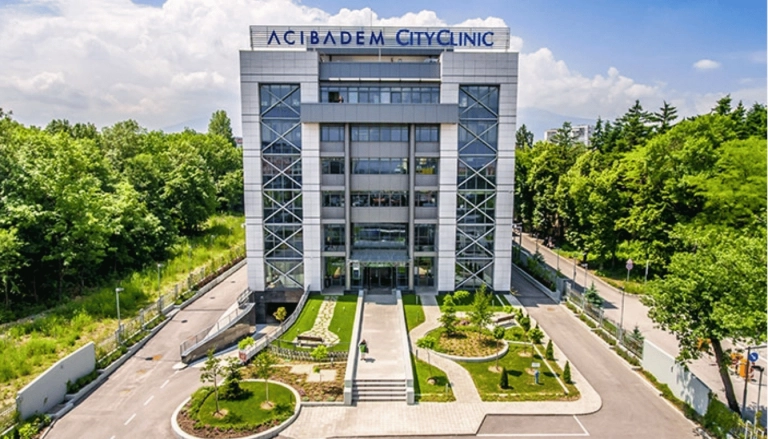 6 Acıbadem Maslak HospitalIstanbul · Turkey · ISO 9001 · JCI · ★ 4.6From$5,950from $5,950 JCI accredited
Get the Radiofrequency Ablation (RFA) for Tumours cost & planning report
A free PDF built from today's listed prices. Keep it, print it or send it to your family on WhatsApp.
What's inside
- Prices by country, city and hospital, compared with home
- All-in trip budget: treatment, stay, food, visa
- Day-by-day timeline and recovery milestones
- Visa summary, preparation checklist and questions to ask
- Treatment (typical listed price) 83% $6,650
- Accommodation 8% $700
- Food 5% $400
- Local transport 1% $100
- Visa fees 2% $150
- Estimated total$8,000
Source: medcasts.com · prices as of May 2026
✓ Your report is ready
Download PDF Send to my family on WhatsApp Ask a coordinator on WhatsApp → Get a personal quote instead →Get a free second opinion in 48 hours.
Send your scans and reports. A senior specialist reviews them and replies in writing.
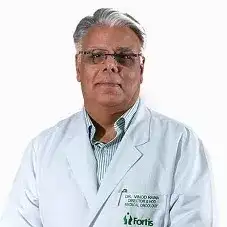
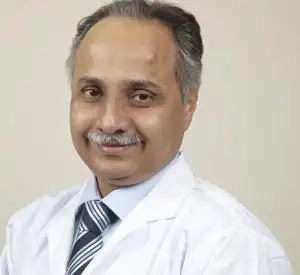
Top Radiofrequency Ablation (RFA) for Tumours surgeons

Radiofrequency Ablation (RFA) for Tumours prices by country
Typical hospital price per country, from 72 price records in the Medcasts database.
What a hospital quote usually includes
- Surgeon, anaesthesia and operating room
- About 1 nights in hospital, with nursing care
- Routine tests and medicines during the stay
- Free Medcasts coordinator, visa letter help and airport pickup arrangements
- Not included: flights and hotel after discharge
Every quote we send lists what is and isn't included, line by line.
Your recovery plan
- Day 0–1Observation after the procedure; mild pain at the needle site and fatigue.
- Days 2–7Low-grade fever, aching and tiredness, called post-ablation syndrome, may last several days.
- Week 2Return to light activity and work as soreness eases.
- Month 1First scan checks whether the tumour has been fully treated.
Medical visa times by destination
Visa processing time by destination
We send the hospital invitation letter within 24 hours of your decision. Check your visa
About Radiofrequency Ablation (RFA) for Tumours
Guided by ultrasound or CT, a thin probe is inserted through the skin into the tumour. Radiofrequency current heats the tissue around the tip to temperatures that kill cancer cells, usually over 10 to 20 minutes, and the probe may be repositioned to cover the whole lesion with a margin. It can be performed with sedation or general anaesthesia, and for bone tumours it is also used to ease pain.
Results are best for small tumours, generally under about 3 cm, and depend on their position near blood vessels, which can carry heat away, and on the operator's experience. Follow-up CT or MRI confirms complete treatment, and repeat ablation may be needed. Risks include pain, bleeding, infection and injury to nearby structures.
Most people go home within a day or two and return to light activity within one to two weeks. Plan to stay nearby for a first check, then arrange regular surveillance imaging with your doctor at home. Bring scans and biopsy reports so the team can plan the treatment, and ask about blood thinners beforehand.
Usually a good fit if
- Small liver, kidney, lung or bone tumours, usually under about 3 cm, that can be reached safely.
- People who are unfit for surgery or prefer a lower-impact option, with oncologist agreement.
- Acceptable clotting and blood counts for a needle procedure.
May need to wait if
- Tumours near large vessels can be under-treated because flowing blood carries heat away.
- Tumours touching bowel, bile ducts or other critical organs may be unsafe to heat.
- Uncorrected clotting problems or widespread disease need other treatment.
How to prepare
- Bring CT or MRI scans and tumour markers so the team can plan the electrode path.
- Expect blood tests for clotting and blood counts; ask your doctor about adjusting blood thinners.
- Follow fasting instructions for sedation or anaesthesia, and arrange an escort home.
- Tell the team about pacemakers or implanted devices, as current can interfere with them.
- Plan to stay near the hospital for a day or two for observation.
Questions to ask your surgeon
- Is RFA, microwave ablation or surgery best for my tumour size and site?
- How will nearby organs and vessels be protected from the heat?
- How do you confirm the whole tumour has been treated?
- What is the chance the tumour returns in the same place?
- What after-effects should I expect and when should I seek help?
- What follow-up scans do I need and where can I have them?
Red flags when comparing hospitals
- Ablation is offered for large tumours or widespread disease without discussing alternatives.
- No scan is planned after treatment to confirm complete ablation.
- The team does not explain how nearby organs will be protected.
- No tumour board review before choosing ablation.
Questions about Radiofrequency Ablation (RFA) for Tumours abroad
Which country is cheapest for Radiofrequency Ablation (RFA) for Tumours?
The lowest typical hospital prices are in India ($6,673), Thailand ($8,153), Turkey ($9,285), out of 9 countries we compare.
How long will I stay in hospital for Radiofrequency Ablation (RFA) for Tumours?
Most patients spend about 1 nights in hospital. Full recovery takes about 14 days; your surgeon will tell you when you are fit to fly home.
Is RFA an operation?
No. It is a minimally invasive treatment done through a needle puncture, so recovery is much shorter than surgery.
How does RFA differ from microwave ablation?
Both use heat. RFA relies on electric current and is more affected by nearby blood flow, while microwave heats faster and over a larger area.
Can the tumour come back?
Yes, in the treated area or elsewhere, which is why follow-up scans matter. Repeat ablation is often possible.
Is it painful?
You are sedated or asleep. Afterwards there can be soreness at the site and a flu-like feeling for a few days.