Peripheral Angioplasty abroad: best countries and costs (2026)
Peripheral Angioplasty starts from about $4,150 in India. Compare 72 hospital price records across 9 countries. Choose a country to see hospitals, surgeons and visa information.
- 2 nights in hospital
- 14 days to full recovery
- 9 countries compared
- 92% reported success rate
Prices are hospital price ranges from our database, not a final quote. How we check
Peripheral Angioplasty cost guide: what's included, what moves the price, red flags
Estimate your total cost
Choose your options. The price updates straight away.
The hospital estimate uses the typical range across 8 hospital prices.
Room and implant choices use rough adjustments (est.). Meals at about $15 per person per day. Flights not included.
Request 3 hospital quotesTop hospitals for Peripheral Angioplasty by country
How we rankRanked by accreditation, patient rating and review count, then price.
-
 1 Indraprastha Apollo HospitalNew Delhi · India · ISO 9001 · JCI · NABH · ★ 4.9From$4,280from $4,280 2 doctors listed JCI accredited
-
 2 Bumrungrad InternationalBangkok · Thailand · HA · ISO 9001 · JCI · ★ 4.8From$5,510from $5,510 JCI accredited
-
 3 Asan Medical CenterSeoul · South Korea · ISO 9001 · JCI · KOIHA · ★ 4.8From$7,530from $7,530 21 doctors listed JCI accredited
-
 4 Cleveland Clinic Abu DhabiAbu Dhabi · United Arab Emirates · DHA · DOH · JCI · ★ 4.7From$10,430from $10,430 JCI accredited
-
 5 Mount Elizabeth HospitalSingapore · Singapore · ISO 9001 · JCI · ★ 4.7From$12,830from $12,830 JCI accredited
-
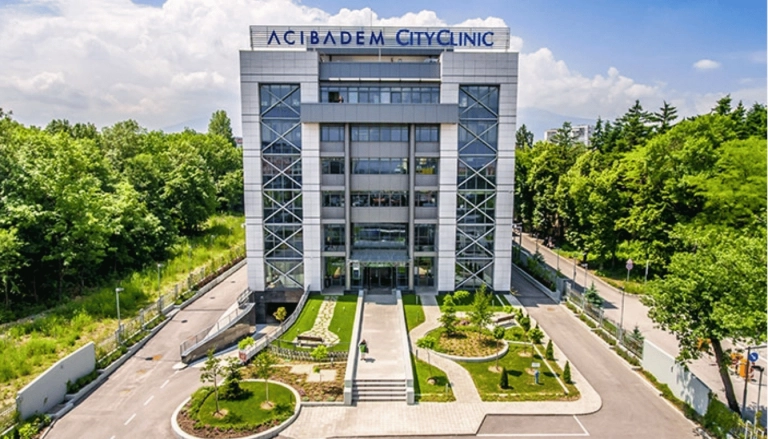 6 Acıbadem Maslak HospitalIstanbul · Turkey · ISO 9001 · JCI · ★ 4.6From$6,470from $6,470 JCI accredited
Get the Peripheral Angioplasty cost & planning report
A free PDF built from today's listed prices. Keep it, print it or send it to your family on WhatsApp.
What's inside
- Prices by country, city and hospital, compared with home
- All-in trip budget: treatment, stay, food, visa
- Day-by-day timeline and recovery milestones
- Visa summary, preparation checklist and questions to ask
- Treatment (typical listed price) 82% $6,450
- Accommodation 9% $700
- Food 5% $450
- Local transport 1% $100
- Visa fees 2% $150
- Estimated total$7,850
Source: medcasts.com · prices as of May 2026
✓ Your report is ready
Download PDF Send to my family on WhatsApp Ask a coordinator on WhatsApp → Get a personal quote instead →Get a free second opinion in 48 hours.
Send your scans and reports. A senior specialist reviews them and replies in writing.
Top Peripheral Angioplasty surgeons





Peripheral Angioplasty prices by country
Typical hospital price per country, from 72 price records in the Medcasts database.
What a hospital quote usually includes
- Surgeon, anaesthesia and operating room
- About 2 nights in hospital, with nursing care
- Routine tests and medicines during the stay
- Free Medcasts coordinator, visa letter help and airport pickup arrangements
- Not included: flights and hotel after discharge
Every quote we send lists what is and isn't included, line by line.
Your recovery plan
- Day 1Lie flat several hours; puncture site checked; walking begins.
- Days 2–3Discharge if stable; avoid heavy lifting and strenuous exercise.
- Week 1Light walking; groin bruising settles.
- Weeks 2–6Supervised walking programme; wounds checked.
- Months 3–12Duplex scans; stop smoking and keep taking antiplatelets and statins.
Medical visa times by destination
Visa processing time by destination
We send the hospital invitation letter within 24 hours of your decision. Check your visa
About Peripheral Angioplasty
Under local anaesthesia, a catheter is inserted through an artery in the groin or sometimes the foot, and guided to the narrowing under X-ray. A balloon widens the artery and a stent may be placed. Drug-coated balloons or stents can reduce re-narrowing. Longer blockages may be more difficult to treat and sometimes need bypass surgery instead.
Walking distance often improves and wounds may heal better, but results depend on the length and location of the blockage, diabetes, kidney function and whether the person stops smoking. Arteries can narrow again, particularly in long segments, and repeat procedures are sometimes needed. Medicines and exercise are an important part of treatment.
Plan to stay near the hospital for one or two nights and take short walks as advised. Antiplatelet medicines and statins are usually prescribed. Bring your scan or angiogram reports and medicine list, and arrange follow-up with a vascular team at home, including ultrasound checks and wound care if needed.
Usually a good fit if
- Leg pain on walking (claudication) that limits daily life despite exercise and medicines.
- Rest pain, ulcers or gangrene from critical limb ischaemia, where saving the limb is the goal.
- Blockages suitable for balloon or stent treatment on imaging.
- Willingness to stop smoking and take antiplatelet and statin medicines.
May need to wait if
- Very long or heavily calcified blockages better treated by bypass surgery.
- Active infection in the foot needing treatment first.
- Severe kidney disease or dye allergy without preparation.
- Inability to take antiplatelet tablets.
How to prepare
- Have an ankle-brachial index, Doppler ultrasound, CT or MR angiogram to map the blockages.
- Complete blood tests, kidney function and ECG, since dye is used.
- Review aspirin, clopidogrel, diabetes drugs and blood thinners with your doctor, who will tell you what to adjust.
- Report any dye allergy, and tell the team about wounds or infection in the leg.
- Stop smoking, which greatly affects how long the artery stays open.
Questions to ask your surgeon
- Is angioplasty or bypass surgery better for my blockage?
- Will you use a plain balloon, drug-coated balloon or stent?
- How many peripheral procedures do you perform?
- What is the chance the artery narrows again, and how will you check?
- What can be done for my foot wounds and diabetes?
- What walking programme and medicines should I follow?
Red flags when comparing hospitals
- No imaging of the arteries before treatment.
- Treating mild leg pain with invasive procedures before trying exercise and medicines.
- No vascular surgical backup.
- No plan for wound care or diabetes control.
- Guarantee that the artery will never narrow again.
Questions about Peripheral Angioplasty abroad
Which country is cheapest for Peripheral Angioplasty?
The lowest typical hospital prices are in India ($6,453), Thailand ($7,988), Turkey ($9,825), out of 9 countries we compare.
How long will I stay in hospital for Peripheral Angioplasty?
Most patients spend about 2 nights in hospital. Full recovery takes about 14 days; your surgeon will tell you when you are fit to fly home.
Will the artery block again?
Leg arteries can narrow again, especially in people who smoke or have diabetes. Follow-up scans, medicines and walking help reduce this.
Can angioplasty save a leg?
In critical limb ischaemia, restoring blood flow can heal ulcers and avoid amputation, although results vary with the extent of disease.
Is the procedure painful?
The injection stings briefly. Opening the artery can cause brief aching, but sedation helps.
When can I walk?
Usually the same or next day. Walking is encouraged as part of recovery.