Haploidentical Bone Marrow Transplant cost abroad (2026)
Haploidentical Bone Marrow Transplant starts from about $62,000 in India. Typical hospital prices from 72 price records across 9 countries. Pick a country to see its hospitals, surgeons and visa steps.
- 28 nights in hospital
- 365 days to full recovery
- 9 countries compared
- 60% reported success rate
Prices are hospital price ranges from our database, not a final quote. How we check
Haploidentical Bone Marrow Transplant cost guide: what's included, what moves the price, red flags
Estimate your total cost
Choose your options. The price updates straight away.
Hospital package = typical price range from 8 hospital prices.
Room and implant choices use rough adjustments (est.). Meals at about $15 per person per day. Flights not included.
Get 3 real quotes for this estimateTop hospitals for Haploidentical Bone Marrow Transplant by country
How we rankRanked by accreditation, patient rating and review count, then price.
-
 1 Indraprastha Apollo HospitalNew Delhi · India · ISO 9001 · JCI · NABH · ★ 4.9From$40,640from $40,640 2 doctors listed JCI accredited
-
 2 Bumrungrad InternationalBangkok · Thailand · HA · ISO 9001 · JCI · ★ 4.8From$48,100from $48,100 JCI accredited
-
 3 Asan Medical CenterSeoul · South Korea · ISO 9001 · JCI · KOIHA · ★ 4.8From$73,510from $73,510 21 doctors listed JCI accredited
-
 4 Cleveland Clinic Abu DhabiAbu Dhabi · United Arab Emirates · DHA · DOH · JCI · ★ 4.7From$96,540from $96,540 JCI accredited
-
 5 Mount Elizabeth HospitalSingapore · Singapore · ISO 9001 · JCI · ★ 4.7From$96,300from $96,300 JCI accredited
-
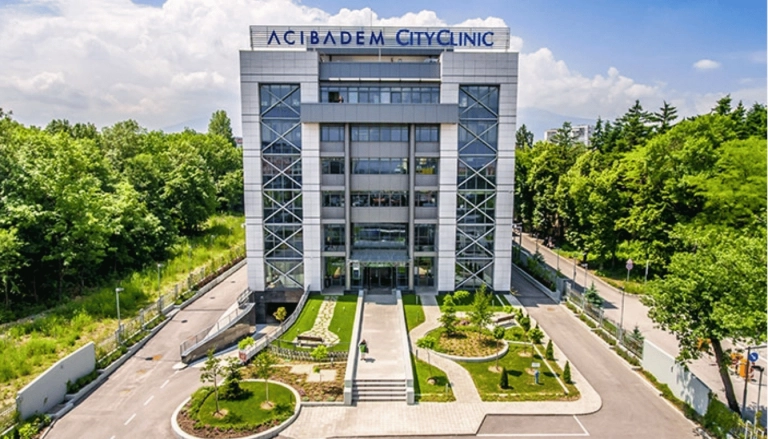 6 Acıbadem Maslak HospitalIstanbul · Turkey · ISO 9001 · JCI · ★ 4.6From$52,640from $52,640 JCI accredited
Get the Haploidentical Bone Marrow Transplant cost & planning report
A free PDF built from today's listed prices. Keep it, print it or send it to your family on WhatsApp.
What's inside
- Prices by country, city and hospital, compared with home
- All-in trip budget: treatment, stay, food, visa
- Day-by-day timeline and recovery milestones
- Visa summary, preparation checklist and questions to ask
- Treatment (typical listed price) 95% $62,000
- Accommodation 3% $1,750
- Food 2% $1,050
- Local transport 0% $250
- Visa fees 0% $150
- Estimated total$65,200
Source: medcasts.com · prices as of May 2026
✓ Your report is ready
Download PDF Send to my family on WhatsApp Ask a coordinator on WhatsApp → Get a personal quote instead →Get a free second opinion in 48 hours.
Send your scans and reports. A senior specialist reviews them and replies in writing.
Top Haploidentical Bone Marrow Transplant surgeons



Haploidentical Bone Marrow Transplant prices by country
Typical hospital price per country, from 72 price records in the Medcasts database.
What a hospital quote usually includes
- Surgeon, anaesthesia and operating room
- About 28 nights in hospital, with nursing care
- Routine tests and medicines during the stay
- Free Medcasts coordinator, visa letter help and airport pickup arrangements
- Not included: flights and hotel after discharge
Every quote we send lists what is and isn't included, line by line.
Your recovery plan
- Weeks 1–4Conditioning, infusion and isolation; blood counts reach their lowest then begin to recover.
- Weeks 4–8Discharge once counts recover and you can eat and drink; frequent clinic visits begin.
- Months 2–3High risk of infection and graft-versus-host disease; strict precautions and medicines continue.
- Months 6–12Immune system slowly rebuilds, with vaccines repeated and gradual return to work and normal activity.
Medical visa times by destination
Visa processing time by destination
We send the hospital invitation letter within 24 hours of your decision. Check your visa
About Haploidentical Bone Marrow Transplant
After conditioning with chemotherapy, sometimes with radiation, to clear diseased marrow and suppress the immune system, the donor's stem cells are infused through a vein. Post-transplant cyclophosphamide is commonly given to reduce graft-versus-host disease. The cells settle into the marrow and begin to produce new blood cells over about two to four weeks, during which you are in isolation and receive transfusions.
Success depends on the disease, how well it is controlled before transplant, your age and fitness, donor factors, and complications such as infection and graft-versus-host disease. Haploidentical transplants have become an established option, but they carry serious risks and require a specialised unit. Immune recovery takes months to a year or more, with regular monitoring.
Plan for about four to six weeks in hospital, then several more weeks living close to the centre for frequent clinic visits, and a carer to stay with you. The donor needs a separate workup. Bring complete disease records and arrange infection precautions, medicines and blood test follow-up with your home haematologist.
Usually a good fit if
- Blood cancer, aplastic anaemia, thalassaemia or sickle cell disease where transplant is recommended and no matched donor exists.
- A healthy half-matched family donor who has passed donor assessment.
- Enough organ function to withstand conditioning and the transplant period.
May need to wait if
- Active uncontrolled infection or disease that is progressing rapidly may need control before transplant.
- Serious heart, lung, liver or kidney impairment can make conditioning unsafe.
- Donor-specific antibodies or a donor unfit for donation must be addressed first.
How to prepare
- Bring your complete treatment history, bone marrow reports and genetic or disease-risk tests for the transplant team.
- Expect HLA typing of you and family donors, plus heart, lung, liver, kidney and infection screening.
- Ask your doctor about dental work, vaccinations and fertility preservation before conditioning starts.
- Arrange for the donor to travel and attend their own health assessment and collection.
- Plan to stay close to the hospital for months, with a caregiver.
Questions to ask your surgeon
- Why haploidentical rather than a matched donor, and which donor is best for me?
- What conditioning regimen is planned and what are its short- and long-term effects?
- How is graft-versus-host disease prevented and treated?
- How many haploidentical transplants does your unit perform each year, and what are your outcomes for my disease?
- How long must I stay near the hospital and what care is needed at home?
- What are the fertility and long-term follow-up plans?
Red flags when comparing hospitals
- Unit cannot describe its transplant volume or experience with haploidentical donors.
- No dedicated isolation rooms or experienced transplant nursing.
- No plan for infection control, graft-versus-host disease or emergency care.
- The donor is not independently assessed and counselled.
Questions about Haploidentical Bone Marrow Transplant abroad
Which country is cheapest for Haploidentical Bone Marrow Transplant?
The lowest typical hospital prices are in India ($61,950), Thailand ($72,685), Turkey ($81,525), out of 9 countries we compare.
How long will I stay in hospital for Haploidentical Bone Marrow Transplant?
Most patients spend about 28 nights in hospital. Full recovery takes about 365 days; your surgeon will tell you when you are fit to fly home.
Who can be my donor?
Usually a parent, child, sibling or other relative who is a half match. The team chooses the best donor based on age, health, antibody tests and disease factors.
What is graft-versus-host disease?
It occurs when donor immune cells attack your tissues, commonly affecting skin, gut and liver. It is monitored closely and treated with immune-suppressing medicines.
How long will I need to stay near the hospital?
Usually at least three months, as the first 100 days carry the highest risk of complications requiring urgent treatment.
Is the donor safe?
Donation is generally safe, but the donor will have a full medical assessment and may feel tired or sore afterwards for a few days.