Cytoreductive Surgery + HIPEC cost abroad (2026)
Cytoreductive Surgery + HIPEC starts from about $37,500 in India. Typical hospital prices from 72 price records across 9 countries. Pick a country to see its hospitals, surgeons and visa steps.
- 14 nights in hospital
- 120 days to full recovery
- 9 countries compared
- 65% reported success rate
Prices are hospital price ranges from our database, not a final quote. How we check
Cytoreductive Surgery + HIPEC cost guide: what's included, what moves the price, red flags
Estimate your total cost
Choose your options. The price updates straight away.
Hospital package = typical price range from 8 hospital prices.
Room and implant choices use rough adjustments (est.). Meals at about $15 per person per day. Flights not included.
Get 3 real quotes for this estimateTop hospitals for Cytoreductive Surgery + HIPEC by country
How we rankRanked by accreditation, patient rating and review count, then price.
-
 1 Indraprastha Apollo HospitalNew Delhi · India · ISO 9001 · JCI · NABH · ★ 4.9From$24,410from $24,410 2 doctors listed JCI accredited
-
 2 Bumrungrad InternationalBangkok · Thailand · HA · ISO 9001 · JCI · ★ 4.8From$31,980from $31,980 JCI accredited
-
 3 Asan Medical CenterSeoul · South Korea · ISO 9001 · JCI · KOIHA · ★ 4.8From$48,950from $48,950 21 doctors listed JCI accredited
-
 4 Cleveland Clinic Abu DhabiAbu Dhabi · United Arab Emirates · DHA · DOH · JCI · ★ 4.7From$52,740from $52,740 JCI accredited
-
 5 Mount Elizabeth HospitalSingapore · Singapore · ISO 9001 · JCI · ★ 4.7From$64,150from $64,150 JCI accredited
-
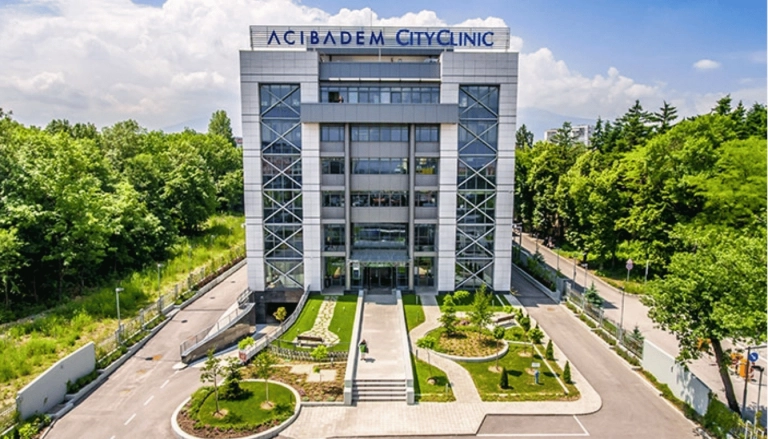 6 Acıbadem Maslak HospitalIstanbul · Turkey · ISO 9001 · JCI · ★ 4.6From$38,690from $38,690 JCI accredited
Get the Cytoreductive Surgery + HIPEC cost & planning report
A free PDF built from today's listed prices. Keep it, print it or send it to your family on WhatsApp.
What's inside
- Prices by country, city and hospital, compared with home
- All-in trip budget: treatment, stay, food, visa
- Day-by-day timeline and recovery milestones
- Visa summary, preparation checklist and questions to ask
- Treatment (typical listed price) 94% $37,500
- Accommodation 3% $1,200
- Food 2% $700
- Local transport 0% $200
- Visa fees 0% $150
- Estimated total$39,700
Source: medcasts.com · prices as of May 2026
✓ Your report is ready
Download PDF Send to my family on WhatsApp Ask a coordinator on WhatsApp → Get a personal quote instead →Get a free second opinion in 48 hours.
Send your scans and reports. A senior specialist reviews them and replies in writing.
Top Cytoreductive Surgery + HIPEC surgeons



Cytoreductive Surgery + HIPEC prices by country
Typical hospital price per country, from 72 price records in the Medcasts database.
What a hospital quote usually includes
- Surgeon, anaesthesia and operating room
- About 14 nights in hospital, with nursing care
- Routine tests and medicines during the stay
- Free Medcasts coordinator, visa letter help and airport pickup arrangements
- Not included: flights and hotel after discharge
Every quote we send lists what is and isn't included, line by line.
Your recovery plan
- Days 1–5Intensive or high-dependency care, drains, tubes and slow return of feeding.
- Weeks 2–3Hospital stay continues until eating, walking and bowel function recover; pathology results reviewed.
- Weeks 4–8Strength rebuilds slowly; weight and fatigue are monitored; no heavy lifting.
- Months 3–6Return to usual activity and work; surveillance scans begin.
Medical visa times by destination
Visa processing time by destination
We send the hospital invitation letter within 24 hours of your decision. Check your visa
About Cytoreductive Surgery + HIPEC
The surgeon removes tumour deposits from the peritoneum, sometimes with parts of the bowel, spleen or other organs, aiming to leave no visible disease. Heated chemotherapy, typically around 41 to 43 degrees, is then circulated through the abdomen for about 30 to 90 minutes to treat microscopic cells. The operation can last 8 to 12 hours and needs intensive care afterwards.
Outcomes depend strongly on the cancer type, the extent of disease, whether all visible tumour can be removed, and the team's experience, as this is a very demanding operation with notable complication risks. Careful selection matters, and not everyone with abdominal spread is a candidate. Recovery is slow, and nutrition and bowel function may take months to normalise.
Plan for about two weeks in hospital, often with a spell in intensive care, followed by a period of rest locally before a long journey. A companion is very helpful. Bring all scans, operative notes and pathology, and arrange regular scans and tumour-marker tests with your oncologist at home, plus nutritional support.
Usually a good fit if
- Disease confined to the abdomen and judged removable, in a cancer type where this operation has evidence.
- Good general fitness, nutrition and organ function to withstand a very long operation.
- Review by a team with experience of peritoneal surface cancers who agree the disease burden is suitable.
May need to wait if
- Spread to distant organs, such as lung or many liver deposits, usually rules out this approach.
- Very extensive small-bowel involvement or poor performance status makes complete removal unlikely.
- Severe heart, lung or kidney disease may make this surgery unsafe.
How to prepare
- Bring all CT, MRI and pathology reports, and any laparoscopy findings that estimate how widespread the disease is.
- Expect detailed fitness testing for heart, lungs, kidneys and nutrition before this long operation.
- Ask your doctor which blood thinners and other medicines to adjust beforehand.
- Optimise nutrition and stop smoking; poor nutrition is a risk for complications.
- Plan for a prolonged stay in the destination, and travel with a companion able to help afterwards.
Questions to ask your surgeon
- How is the extent of my disease scored, and do you expect complete removal?
- How many cytoreduction and HIPEC operations does your team perform each year?
- Which chemotherapy drug and temperature will be used for the heated wash?
- Will I need a stoma or intensive care after the operation?
- What are the main risks, and what happens if complications arise?
- What systemic chemotherapy and surveillance will follow, and who gives it at home?
Red flags when comparing hospitals
- The team cannot score or describe the extent of disease you have before surgery.
- HIPEC is offered for cancer types where there is little evidence it helps.
- No intensive care unit or surgeon with regular experience of this specific surgery.
- No plan for follow-up scans and chemotherapy after you go home.
Questions about Cytoreductive Surgery + HIPEC abroad
Which country is cheapest for Cytoreductive Surgery + HIPEC?
The lowest typical hospital prices are in India ($37,463), Thailand ($45,753), Turkey ($52,653), out of 9 countries we compare.
How long will I stay in hospital for Cytoreductive Surgery + HIPEC?
Most patients spend about 14 nights in hospital. Full recovery takes about 120 days; your surgeon will tell you when you are fit to fly home.
How long does it take to recover?
Much longer than routine abdominal surgery. Many people need several months to regain strength and weight, and some take longer.
Is HIPEC the same as normal chemotherapy?
No. The chemotherapy is heated and applied directly inside the abdomen during surgery. Some patients also need standard chemotherapy before or after.
What are the main risks?
Bleeding, infection, bowel leaks, clots, and kidney or blood count problems. It is a major operation and is best done by specialised teams.
Will I need a stoma?
Sometimes, depending on the length of bowel removed and how the joins look. Many stomas are temporary and reversed later.