Tumour Port Placement (Chemo Port) cost abroad (2026)
Tumour Port Placement (Chemo Port) costs from about $1,800 in India to $7,100 in Germany. Typical hospital prices from 72 price records across 9 countries. Pick a country to see its hospitals, surgeons and visa steps.
- 7 days to full recovery
- 9 countries compared
- 98% reported success rate
Prices are hospital price ranges from our database, not a final quote. How we check
Estimate your total cost
Choose your options. The price updates straight away.
Hospital package = typical price range from 8 hospital prices.
Room and implant choices use rough adjustments (est.). Meals at about $15 per person per day. Flights not included.
Get 3 real quotes for this estimateTop hospitals for Tumour Port Placement (Chemo Port) by country
How we rankRanked by accreditation, patient rating and review count, then price.
-
 1 Indraprastha Apollo HospitalNew Delhi · India · ISO 9001 · JCI · NABH · ★ 4.9From$1,240$1,240 – $2,590 2 doctors listed JCI accredited
-
 2 Bumrungrad InternationalBangkok · Thailand · HA · ISO 9001 · JCI · ★ 4.8From$1,370$1,370 – $2,850 JCI accredited
-
 3 Asan Medical CenterSeoul · South Korea · ISO 9001 · JCI · KOIHA · ★ 4.8From$2,000$2,000 – $4,180 21 doctors listed JCI accredited
-
 4 Cleveland Clinic Abu DhabiAbu Dhabi · United Arab Emirates · DHA · DOH · JCI · ★ 4.7From$2,780$2,780 – $5,790 JCI accredited
-
 5 Mount Elizabeth HospitalSingapore · Singapore · ISO 9001 · JCI · ★ 4.7From$3,200$3,200 – $6,680 JCI accredited
-
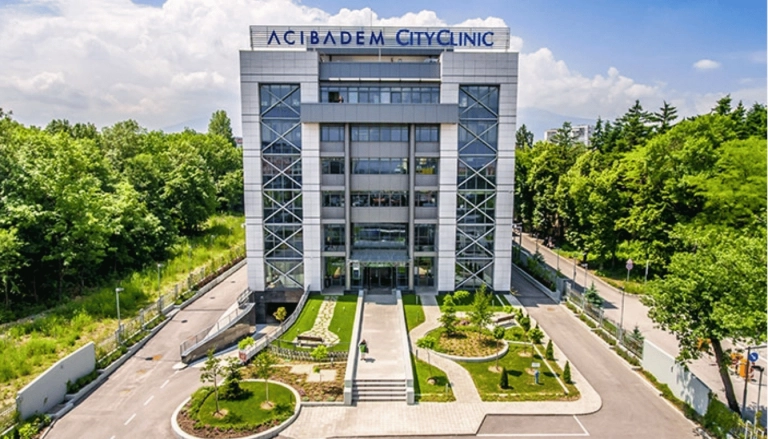 6 Acıbadem Maslak HospitalIstanbul · Turkey · ISO 9001 · JCI · ★ 4.6From$1,530$1,530 – $3,200 JCI accredited
Get the Tumour Port Placement (Chemo Port) cost & planning report
A free PDF built from today's listed prices. Keep it, print it or send it to your family on WhatsApp.
What's inside
- Prices by country, city and hospital, compared with home
- All-in trip budget: treatment, stay, food, visa
- Day-by-day timeline and recovery milestones
- Visa summary, preparation checklist and questions to ask
- Treatment (typical listed price) 70% $1,800
- Accommodation 14% $350
- Food 8% $200
- Local transport 2% $50
- Visa fees 6% $150
- Estimated total$2,600
Source: medcasts.com · prices as of May 2026
✓ Your report is ready
Download PDF Send to my family on WhatsApp Ask a coordinator on WhatsApp → Get a personal quote instead →Get a free second opinion in 48 hours.
Send your scans and reports. A senior specialist reviews them and replies in writing.
Top Tumour Port Placement (Chemo Port) surgeons

Tumour Port Placement (Chemo Port) prices by country
Typical hospital price per country, from 72 price records in the Medcasts database.
What a hospital quote usually includes
- Surgeon, anaesthesia and operating room
- Your hospital stay and nursing care
- Routine tests and medicines during the stay
- Free Medcasts coordinator, visa letter help and airport pickup arrangements
- Not included: flights and hotel after discharge
Every quote we send lists what is and isn't included, line by line.
Your recovery plan
- Day 0Local anaesthetic wears off with chest soreness and bruising; keep the dressing dry.
- Days 2–7Soreness and bruising ease; avoid heavy lifting with the port-side arm.
- Weeks 1–2The incision heals and stitches are checked; the port can usually be used for treatment.
- Weeks 2–4Port settles under the skin and daily life continues; flushing continues between cycles.
Medical visa times by destination
Visa processing time by destination
We send the hospital invitation letter within 24 hours of your decision. Check your visa
About Tumour Port Placement (Chemo Port)
The port is a small reservoir with a soft rubber centre, attached to a thin catheter whose tip rests in a large vein near the heart. It is usually placed under local anaesthesia with sedation, using ultrasound and X-ray guidance, through a small cut below the collarbone and a second small pocket for the device. It takes roughly 30 to 60 minutes, and the port is accessed by a special needle through the skin.
Once healed, a port is usually reliable for months or years and is practically invisible under clothing. Outcomes depend on correct tip placement, careful needle technique and hygiene, because infection and blood clots are the main complications, and the catheter can occasionally become blocked or move. It can be removed with a short procedure when treatment ends.
This is usually a day procedure, and most people can start using the port straight away. Allow about a week for the site to settle and avoid heavy lifting with the arm on that side. Carry the device card with the model and catheter details, and make sure your home oncology unit is happy to access it and flush it regularly.
Usually a good fit if
- You need repeated or long chemotherapy cycles, or infusions that irritate arm veins.
- Arm veins are difficult to access, or you need frequent blood tests and long infusions.
- Platelet and clotting results are acceptable and there is no infection at the planned site.
May need to wait if
- Active bloodstream infection or fever should be treated before a port is placed.
- Very low platelets or clotting problems need correction first.
- Blocked veins in the upper chest, or skin infection at the site, may require another position or device.
How to prepare
- Your doctor may need blood tests to check clotting and blood counts before the procedure.
- Ask your doctor about adjusting blood thinners or antiplatelet medicines beforehand.
- Follow fasting instructions if sedation is planned, and arrange for someone to accompany you.
- Tell the team about pacemakers, previous chest surgery or earlier central lines.
- Bring your chemotherapy plan so the doctor chooses the right port type and side.
Questions to ask your surgeon
- Which side and which vein will you use, and why?
- Which type of port is it, and is it safe for scans such as MRI and CT contrast injection?
- What is your risk of infection or clots in this port and how can I reduce it?
- How is the port flushed between cycles and who can do this at home?
- How long can the port stay in, and how is it removed?
- What identification card or record of the device will I be given?
Red flags when comparing hospitals
- The port is placed without ultrasound or X-ray confirmation of the catheter position.
- No device card or details are given for your records.
- You are not told how to recognise infection, swelling or blockage.
- Your treating oncologist has not agreed that a port is the right device.
Questions about Tumour Port Placement (Chemo Port) abroad
Which country is cheapest for Tumour Port Placement (Chemo Port)?
The lowest typical hospital prices are in India ($1,808), Thailand ($2,248), Turkey ($2,560), out of 9 countries we compare.
Is placing a port painful?
The area is numbed and you are sedated, so it is usually well tolerated. Soreness at the incision and bruising for several days are common, and simple pain relief is usually enough.
Can I shower and exercise with a port?
Once the wound has healed, yes. Avoid heavy lifting and contact sports in the first weeks. Your team will tell you when it is safe to swim.
What problems can happen with a port?
Infection, blockage, a blood clot in the vein or the catheter moving. Report fever, redness, swelling in the arm or neck, or pain when it is used.
Can the port be removed?
Yes, by a short minor procedure under local anaesthesia once your treatment is finished and your doctor agrees.