Robotic Pyeloplasty cost abroad (2026)
Robotic Pyeloplasty costs from about $10,900 in India to $43,200 in Germany. Typical hospital prices from 72 price records across 9 countries. Pick a country to see its hospitals, surgeons and visa steps.
- 3 nights in hospital
- 21 days to full recovery
- 9 countries compared
- 96% reported success rate
Prices are hospital price ranges from our database, not a final quote. How we check
Estimate your total cost
Choose your options. The price updates straight away.
Hospital package = typical price range from 8 hospital prices.
Room and implant choices use rough adjustments (est.). Meals at about $15 per person per day. Flights not included.
Get 3 real quotes for this estimateTop hospitals for Robotic Pyeloplasty by country
How we rankRanked by accreditation, patient rating and review count, then price.
-
 1 Indraprastha Apollo HospitalNew Delhi · India · ISO 9001 · JCI · NABH · ★ 4.9From$7,880$7,880 – $14,700 2 doctors listed JCI accredited
-
 2 Bumrungrad InternationalBangkok · Thailand · HA · ISO 9001 · JCI · ★ 4.8From$8,640$8,640 – $16,130 JCI accredited
-
 3 Asan Medical CenterSeoul · South Korea · ISO 9001 · JCI · KOIHA · ★ 4.8From$13,380$13,380 – $24,970 21 doctors listed JCI accredited
-
 4 Cleveland Clinic Abu DhabiAbu Dhabi · United Arab Emirates · DHA · DOH · JCI · ★ 4.7From$17,610$17,610 – $32,860 JCI accredited
-
 5 Mount Elizabeth HospitalSingapore · Singapore · ISO 9001 · JCI · ★ 4.7From$21,140$21,140 – $39,460 JCI accredited
-
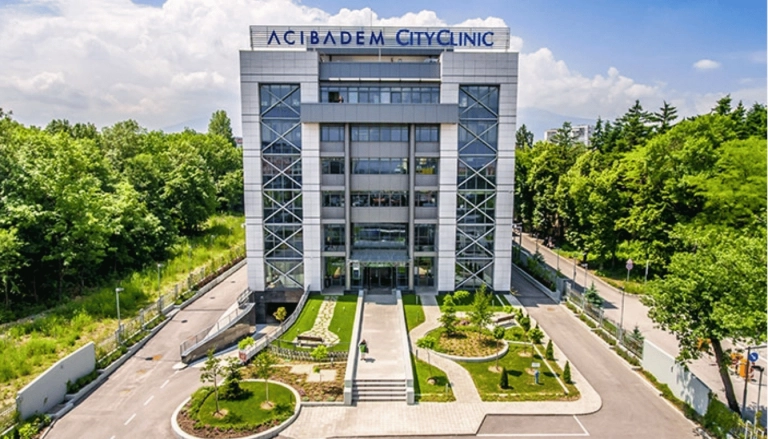 6 Acıbadem Maslak HospitalIstanbul · Turkey · ISO 9001 · JCI · ★ 4.6From$10,230$10,230 – $19,090 JCI accredited
Get the Robotic Pyeloplasty cost & planning report
A free PDF built from today's listed prices. Keep it, print it or send it to your family on WhatsApp.
What's inside
- Prices by country, city and hospital, compared with home
- All-in trip budget: treatment, stay, food, visa
- Day-by-day timeline and recovery milestones
- Visa summary, preparation checklist and questions to ask
- Treatment (typical listed price) 88% $10,900
- Accommodation 6% $750
- Food 4% $450
- Local transport 1% $100
- Visa fees 1% $150
- Estimated total$12,400
Source: medcasts.com · prices as of May 2026
✓ Your report is ready
Download PDF Send to my family on WhatsApp Ask a coordinator on WhatsApp → Get a personal quote instead →Get a free second opinion in 48 hours.
Send your scans and reports. A senior specialist reviews them and replies in writing.
Top Robotic Pyeloplasty surgeons

Robotic Pyeloplasty prices by country
Typical hospital price per country, from 72 price records in the Medcasts database.
What a hospital quote usually includes
- Surgeon, anaesthesia and operating room
- About 3 nights in hospital, with nursing care
- Routine tests and medicines during the stay
- Free Medcasts coordinator, visa letter help and airport pickup arrangements
- Not included: flights and hotel after discharge
Every quote we send lists what is and isn't included, line by line.
Your recovery plan
- Days 1–2Pain relief, drain and catheter; you walk and eat the same or next day.
- Days 3–7Discharge with a stent; mild flank pain and blood in the urine are common.
- Weeks 3–6Stent removal and return to desk work and most activities.
- Months 3–12Imaging checks drainage and kidney function.
Medical visa times by destination
Visa processing time by destination
We send the hospital invitation letter within 24 hours of your decision. Check your visa
About Robotic Pyeloplasty
Under general anaesthesia, the surgeon controls the robotic arms from a console. The narrowed segment is cut out or reshaped, and the ureter is stitched back to the kidney pelvis with fine sutures. Any crossing vessel that squeezes the ureter is moved aside. A stent is left inside the ureter for a few weeks. The robot's magnified view and wristed instruments help with delicate suturing.
Success rates are comparable to open pyeloplasty, with smaller scars and less pain. Outcomes depend on the cause and length of the blockage, the kidney's function before surgery, and the surgeon's experience with robotic reconstruction. A follow-up scan some months later shows whether drainage is good. Urine leak and stent problems are the common issues.
Stay in hospital for about three days. The stent is taken out after several weeks, so plan how it will be done, either on a return trip or by a urologist at home. Bring your earlier scans and kidney function results, and expect to avoid heavy lifting for a few weeks. Arrange follow-up imaging locally.
Usually a good fit if
- Symptomatic pelvi-ureteric junction obstruction with pain, stones or infections.
- Reduced or declining function of the kidney on a renogram.
- Failed previous endoscopic treatment or open pyeloplasty needing repeat repair.
- Fit for general anaesthesia and keyhole surgery.
May need to wait if
- Active urinary infection should be treated first.
- Very small, poorly working kidney may be better served by other management.
- Mild, stable swelling without symptoms can often be observed.
- Uncontrolled medical conditions or inability to tolerate pneumoperitoneum need assessment.
How to prepare
- Bring your ultrasound, CT and renogram reports showing obstruction and kidney function.
- Have a urine culture and treat any infection beforehand.
- Tell your doctor about blood thinners and other medicines; changes only on the doctor's instruction.
- Follow fasting instructions and arrange help at home for the first week.
- Plan the stent removal visit before long travel.
Questions to ask your surgeon
- Why do you recommend robotic rather than laparoscopic or open pyeloplasty for me?
- How many robotic pyeloplasties have you done, and what is your success rate?
- Will a stent be placed, and how will it be removed?
- What are the risks of leak, bleeding and re-narrowing?
- When will you re-test drainage with a renogram?
- Who can arrange follow-up scans at home?
Red flags when comparing hospitals
- Robotic surgery presented as always better without discussing surgeon experience.
- No renogram or evidence of obstruction before surgery.
- Surgeon does few reconstructive kidney operations.
- No stent removal or follow-up plan.
Questions about Robotic Pyeloplasty abroad
Which country is cheapest for Robotic Pyeloplasty?
The lowest typical hospital prices are in India ($10,880), Thailand ($12,283), Turkey ($15,330), out of 9 countries we compare.
How long will I stay in hospital for Robotic Pyeloplasty?
Most patients spend about 3 nights in hospital. Full recovery takes about 21 days; your surgeon will tell you when you are fit to fly home.
What does the robot add?
It gives a magnified 3D view and precise, wristed instruments that help with fine suturing, which suits pyeloplasty. The surgeon is in control at all times.
Is success better than open surgery?
Success rates are high and similar across open, laparoscopic and robotic approaches in experienced hands. Recovery is usually quicker with robotics.
How long is the stent in?
Typically four to six weeks, and then it is removed in a short procedure.
Can the blockage return?
A small number of patients have re-narrowing, usually detected on follow-up scans, and need further treatment.