ESWL (Shock Wave Lithotripsy) cost abroad (2026)
ESWL (Shock Wave Lithotripsy) starts from about $2,050 in India. Typical hospital prices from 72 price records across 9 countries. Pick a country to see its hospitals, surgeons and visa steps.
- 7 days to full recovery
- 9 countries compared
- 80% reported success rate
Prices are hospital price ranges from our database, not a final quote. How we check
ESWL (Shock Wave Lithotripsy) cost guide: what's included, what moves the price, red flags
Estimate your total cost
Choose your options. The price updates straight away.
Hospital package = typical price range from 8 hospital prices.
Room and implant choices use rough adjustments (est.). Meals at about $15 per person per day. Flights not included.
Get 3 real quotes for this estimateTop hospitals for ESWL (Shock Wave Lithotripsy) by country
How we rankRanked by accreditation, patient rating and review count, then price.
-
 1 Indraprastha Apollo HospitalNew Delhi · India · ISO 9001 · JCI · NABH · ★ 4.9From$1,180from $1,180 2 doctors listed JCI accredited
-
 2 Bumrungrad InternationalBangkok · Thailand · HA · ISO 9001 · JCI · ★ 4.8From$1,420from $1,420 JCI accredited
-
 3 Asan Medical CenterSeoul · South Korea · ISO 9001 · JCI · KOIHA · ★ 4.8From$2,350from $2,350 21 doctors listed JCI accredited
-
 4 Cleveland Clinic Abu DhabiAbu Dhabi · United Arab Emirates · DHA · DOH · JCI · ★ 4.7From$2,670from $2,670 JCI accredited
-
 5 Mount Elizabeth HospitalSingapore · Singapore · ISO 9001 · JCI · ★ 4.7From$3,300from $3,300 JCI accredited
-
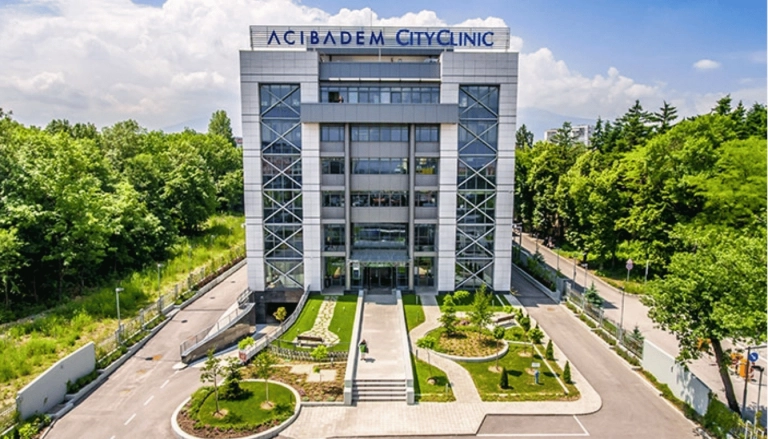 6 Acıbadem Maslak HospitalIstanbul · Turkey · ISO 9001 · JCI · ★ 4.6From$1,780from $1,780 JCI accredited
Get the ESWL (Shock Wave Lithotripsy) cost & planning report
A free PDF built from today's listed prices. Keep it, print it or send it to your family on WhatsApp.
What's inside
- Prices by country, city and hospital, compared with home
- All-in trip budget: treatment, stay, food, visa
- Day-by-day timeline and recovery milestones
- Visa summary, preparation checklist and questions to ask
- Treatment (typical listed price) 72% $2,050
- Accommodation 13% $350
- Food 8% $200
- Local transport 2% $50
- Visa fees 6% $150
- Estimated total$2,850
Source: medcasts.com · prices as of May 2026
✓ Your report is ready
Download PDF Send to my family on WhatsApp Ask a coordinator on WhatsApp → Get a personal quote instead →Get a free second opinion in 48 hours.
Send your scans and reports. A senior specialist reviews them and replies in writing.
Top ESWL (Shock Wave Lithotripsy) surgeons
ESWL (Shock Wave Lithotripsy) prices by country
Typical hospital price per country, from 72 price records in the Medcasts database.
What a hospital quote usually includes
- Surgeon, anaesthesia and operating room
- Your hospital stay and nursing care
- Routine tests and medicines during the stay
- Free Medcasts coordinator, visa letter help and airport pickup arrangements
- Not included: flights and hotel after discharge
Every quote we send lists what is and isn't included, line by line.
Your recovery plan
- Day 1Go home the same day; mild flank ache, bruising and blood in the urine are common.
- Days 2–7Fragments pass with colicky pain at times. Drink plenty of fluids and use pain relief.
- Weeks 2–4Most fragments pass; a repeat scan checks clearance.
- Weeks 4–12A second session, ureteroscopy or follow-up is arranged if fragments remain.
Medical visa times by destination
Visa processing time by destination
We send the hospital invitation letter within 24 hours of your decision. Check your visa
About ESWL (Shock Wave Lithotripsy)
You lie on a treatment table while a machine focuses shock waves on the stone, guided by X-ray or ultrasound. A session takes about 45 to 60 minutes under sedation or painkillers, and sometimes more than one session is needed. Some patients have a temporary stent first. Medicines can help the fragments pass.
ESWL works best for stones under about two centimetres in the kidney or upper ureter. Success depends on the stone's size, position and hardness, body size, and the kidney's anatomy. Very hard stones, such as cystine, and stones in the lower kidney can fragment poorly. Passing fragments can cause colic, and some people need a second procedure.
Most people go home the same day and can walk around immediately. Plan to stay in the area for a few days in case of colic, and allow a week or so for the fragments to pass. Drink plenty of fluid, strain your urine if asked, and bring scans, as a follow-up scan at home confirms that the stone has cleared.
Usually a good fit if
- A kidney or upper ureter stone under about 2 cm that is visible on X-ray or ultrasound.
- A stone in a position the shock waves can target, with a normally draining kidney.
- A patient who prefers a non-invasive approach and accepts that more than one session may be needed.
- Normal clotting and no active infection.
May need to wait if
- Pregnancy is a clear reason not to have ESWL.
- Uncorrected bleeding disorders, or blood thinners that cannot be paused, need a plan from your doctor.
- Urinary infection or blockage below the stone must be treated first.
- Very hard stones, large stones or those in the lower kidney may do better with other treatment such as RIRS or PCNL.
How to prepare
- Bring your CT or X-ray and ultrasound so the team can confirm stone size, position and density.
- Have a urine culture and treat any infection before the session.
- Tell your doctor about blood thinners and aspirin; stopping them is only on your doctor's instruction.
- Follow fasting instructions if sedation is planned, and arrange for someone to take you home.
- Check you are not pregnant if you are a woman of childbearing age.
Questions to ask your surgeon
- Is ESWL suitable for my stone's size, position and hardness, or would ureteroscopy work better?
- How many sessions might I need, and what is the chance of leftover fragments?
- Will a stent be placed beforehand, and why?
- What pain relief or sedation will be used?
- How should I strain my urine, and how long until fragments pass?
- Who can check the stone with a scan if I am back home?
Red flags when comparing hospitals
- ESWL is recommended for stone types or sizes that are unlikely to break, with no discussion of alternatives.
- No imaging to localise the stone, or no urine test before treatment.
- Repeated sessions are pushed without reassessing success.
- No plan for severe pain, fever or a blocked stone fragment.
Questions about ESWL (Shock Wave Lithotripsy) abroad
Which country is cheapest for ESWL (Shock Wave Lithotripsy)?
The lowest typical hospital prices are in India ($2,063), Thailand ($2,405), Turkey ($2,905), out of 9 countries we compare.
Is ESWL painful?
Shock waves can feel like a flicking pressure on your back, so pain relief or sedation is given. Passing fragments afterwards can cause colic.
How many sessions will I need?
Many people need one, but some need two or three. Larger or harder stones may not break fully. Your doctor will reassess after each session.
Can I fly afterwards?
Many people travel after a day or two if they feel well, but wait until pain and bleeding settle. Check with your doctor.
What are the risks?
Bruising, colic, infection and rarely bleeding around the kidney. Fragments can block the ureter and need extra treatment.