Refractive Lens Exchange (RLE) cost abroad (2026)
Refractive Lens Exchange (RLE) starts from about $7,000 in India. Typical hospital prices from 72 price records across 9 countries. Pick a country to see its hospitals, surgeons and visa steps.
- 7 days to full recovery
- 9 countries compared
- 95% reported success rate
Prices are hospital price ranges from our database, not a final quote. How we check
Refractive Lens Exchange (RLE) cost guide: what's included, what moves the price, red flags
Estimate your total cost
Choose your options. The price updates straight away.
Hospital package = typical price range from 8 hospital prices.
Room and implant choices use rough adjustments (est.). Meals at about $15 per person per day. Flights not included.
Get 3 real quotes for this estimateTop hospitals for Refractive Lens Exchange (RLE) by country
How we rankRanked by accreditation, patient rating and review count, then price.
-
 1 Indraprastha Apollo HospitalNew Delhi · India · ISO 9001 · JCI · NABH · ★ 4.9From$4,540from $4,540 2 doctors listed JCI accredited
-
 2 Bumrungrad InternationalBangkok · Thailand · HA · ISO 9001 · JCI · ★ 4.8From$5,460from $5,460 JCI accredited
-
 3 Asan Medical CenterSeoul · South Korea · ISO 9001 · JCI · KOIHA · ★ 4.8From$7,810from $7,810 21 doctors listed JCI accredited
-
 4 Cleveland Clinic Abu DhabiAbu Dhabi · United Arab Emirates · DHA · DOH · JCI · ★ 4.7From$10,300from $10,300 JCI accredited
-
 5 Mount Elizabeth HospitalSingapore · Singapore · ISO 9001 · JCI · ★ 4.7From$10,940from $10,940 JCI accredited
-
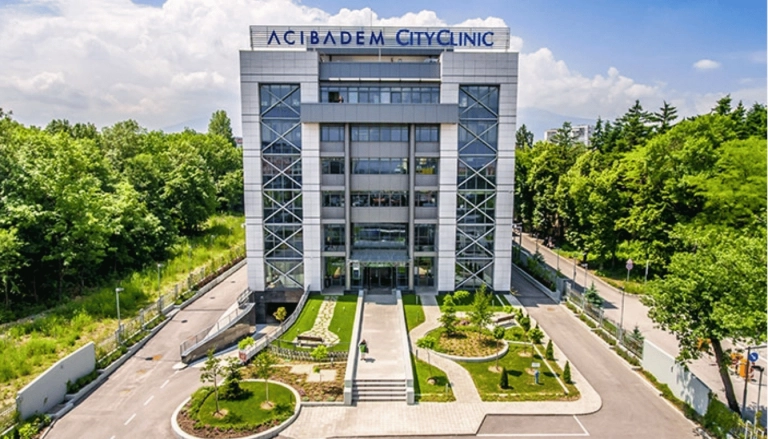 6 Acıbadem Maslak HospitalIstanbul · Turkey · ISO 9001 · JCI · ★ 4.6From$5,880from $5,880 JCI accredited
Get the Refractive Lens Exchange (RLE) cost & planning report
A free PDF built from today's listed prices. Keep it, print it or send it to your family on WhatsApp.
What's inside
- Prices by country, city and hospital, compared with home
- All-in trip budget: treatment, stay, food, visa
- Day-by-day timeline and recovery milestones
- Visa summary, preparation checklist and questions to ask
- Treatment (typical listed price) 90% $7,000
- Accommodation 5% $350
- Food 3% $200
- Local transport 1% $50
- Visa fees 2% $150
- Estimated total$7,800
Source: medcasts.com · prices as of May 2026
✓ Your report is ready
Download PDF Send to my family on WhatsApp Ask a coordinator on WhatsApp → Get a personal quote instead →Get a free second opinion in 48 hours.
Send your scans and reports. A senior specialist reviews them and replies in writing.
Top Refractive Lens Exchange (RLE) surgeons

Refractive Lens Exchange (RLE) prices by country
Typical hospital price per country, from 72 price records in the Medcasts database.
What a hospital quote usually includes
- Surgeon, anaesthesia and operating room
- Your hospital stay and nursing care
- Routine tests and medicines during the stay
- Free Medcasts coordinator, visa letter help and airport pickup arrangements
- Not included: flights and hotel after discharge
Every quote we send lists what is and isn't included, line by line.
Your recovery plan
- Day 1Hazy vision and mild grittiness; shield at night.
- Week 1Vision improves steadily; avoid rubbing and swimming.
- Weeks 2-4Drops taper; second eye may be treated.
- Months 1-3Final vision and glasses check.
Medical visa times by destination
Visa processing time by destination
We send the hospital invitation letter within 24 hours of your decision. Check your visa
About Refractive Lens Exchange (RLE)
RLE is a day case under topical or local anaesthesia with light sedation. The surgeon makes a 2 to 3 mm corneal incision, breaks up and removes the natural lens by ultrasound, and implants a foldable intraocular lens. The lens may be monofocal, multifocal, extended depth of focus or toric, depending on what you want to correct.
Many people see well at distance and reading range with fewer glasses, and you will not develop a cataract later. Results depend on lens choice, accurate measurements, existing eye conditions and expectations. Risks are those of cataract surgery, with a slightly higher chance of retinal detachment in people who are very short-sighted.
Plan to stay about a week, with one eye done and the second a few days later in many cases. Bring your glasses prescription and any retinal history, and stop contact lens wear before assessment. Arrange a review at home after about a month to finalise your prescription, and report sudden flashes or floaters promptly.
Usually a good fit if
- Presbyopia with a need for reduced dependence on glasses, usually over 45.
- High long-sightedness or short-sightedness beyond laser limits.
- Early cataract changes, making exchange a logical step.
- Healthy retina and cornea.
May need to wait if
- Young patients with good accommodation who could use laser or ICL.
- Retinal disease, glaucoma or macular degeneration.
- Severe dry eye or active eye infection.
- High myopia with weak retina not yet assessed.
How to prepare
- Complete biometry, corneal topography, endothelial cell count and macular OCT.
- Have a dilated retinal examination, particularly if you are very short-sighted.
- Discuss lens options and your daily needs for reading and night driving.
- Review medicines with your doctor; do not stop any yourself.
- Arrange transport and early reviews.
Questions to ask your surgeon
- Which lens suits my eyes and lifestyle?
- How is lens power calculated, especially after laser surgery?
- What is the risk of retinal detachment in my eye?
- What are the chances of needing glasses or touch-up laser?
- What if I dislike the multifocal effect?
- Who provides aftercare at home?
Red flags when comparing hospitals
- Offering RLE to young patients without discussing alternatives.
- No retinal examination in high myopia.
- Guaranteeing no glasses.
- No lens model documented.
Questions about Refractive Lens Exchange (RLE) abroad
Which country is cheapest for Refractive Lens Exchange (RLE)?
The lowest typical hospital prices are in India ($6,985), Thailand ($8,423), Turkey ($9,668), out of 9 countries we compare.
Is RLE the same as cataract surgery?
The technique is the same, but RLE is done before a cataract forms, to correct vision.
Will I get cataracts later?
No, the natural lens is gone, though the capsule behind the implant can cloud and be treated with a quick laser.
Is the risk of retinal detachment higher?
It is slightly higher in very short-sighted eyes, which your surgeon will assess.
Will I need reading glasses?
With monofocal lenses, yes. Multifocal or EDOF lenses reduce the need.