Corneal Cross-Linking (CXL) cost abroad (2026)
Corneal Cross-Linking (CXL) starts from about $2,150 in India. Typical hospital prices from 129 price records across 5 countries. Pick a country to see its hospitals, surgeons and visa steps.
- 14 days to full recovery
- 5 countries compared
- 94% reported success rate
Prices are hospital price ranges from our database, not a final quote. How we check
Corneal Cross-Linking (CXL) cost guide: what's included, what moves the price, red flags
Estimate your total cost
Choose your options. The price updates straight away.
Hospital package = typical price range from 118 hospital prices.
Room and implant choices use rough adjustments (est.). Meals at about $15 per person per day. Flights not included.
Get 3 real quotes for this estimateTop hospitals for Corneal Cross-Linking (CXL) by country
How we rankRanked by accreditation, patient rating and review count, then price.
-
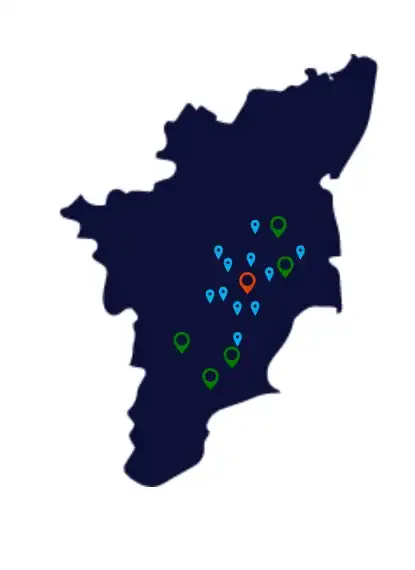 1 Joseph Eye HospitalTiruchirappalli · India · NABHFrom$1,354from $1,354
-
 2 Istanbul Eye HospitalIstanbul · Turkey · ISO 9001 · USHAŞFrom$1,923from $1,923
-
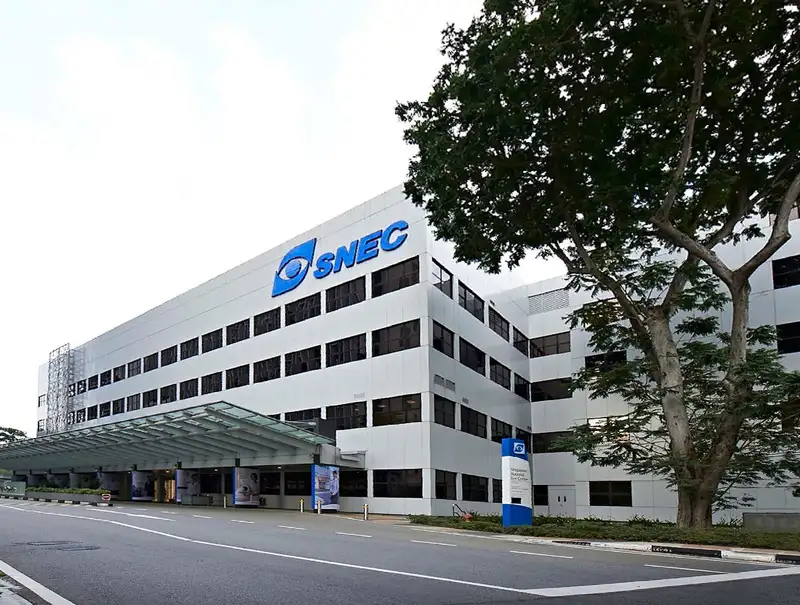 3 Singapore National Eye CentreBukit Merah · Singapore · ISO 9001 · JCIFrom$4,087from $4,087 JCI accredited
-
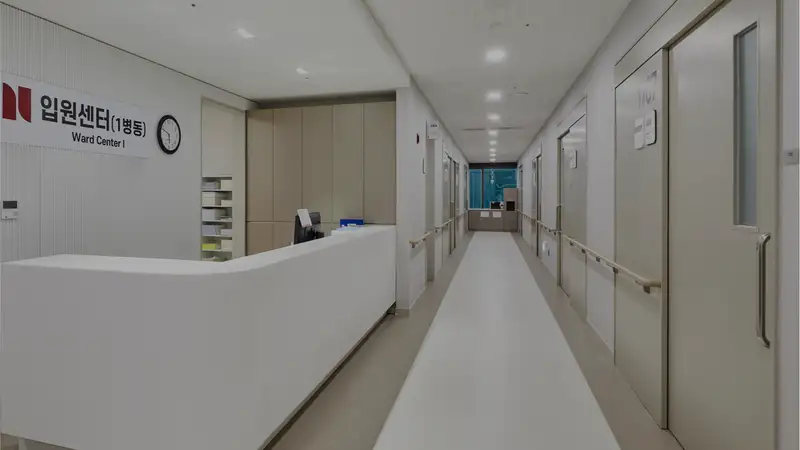 4
-
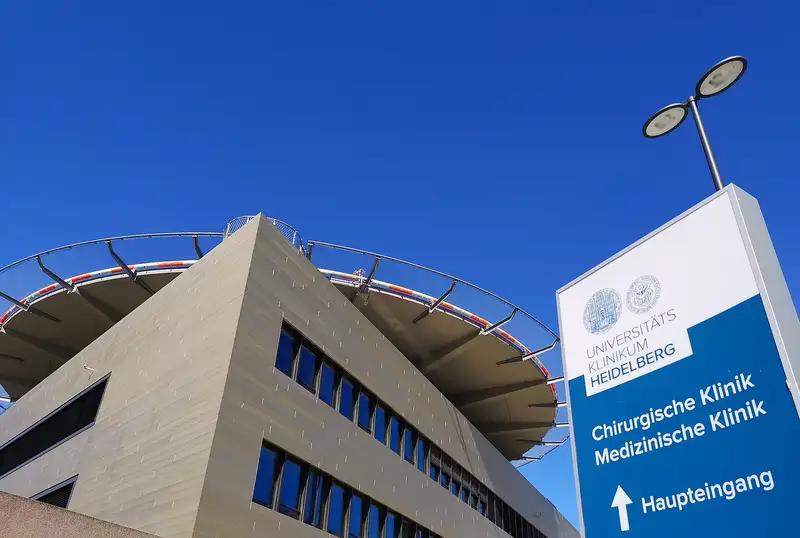 5 Heidelberg University Eye ClinicUnknown · GermanyFrom$7,071from $7,071 46 doctors listed
Get the Corneal Cross-Linking (CXL) cost & planning report
A free PDF built from today's listed prices. Keep it, print it or send it to your family on WhatsApp.
What's inside
- Prices by country, city and hospital, compared with home
- All-in trip budget: treatment, stay, food, visa
- Day-by-day timeline and recovery milestones
- Visa summary, preparation checklist and questions to ask
- Treatment (typical listed price) 63% $2,150
- Accommodation 19% $650
- Food 11% $400
- Local transport 3% $100
- Visa fees 5% $150
- Estimated total$3,450
Source: medcasts.com · prices as of May 2026
✓ Your report is ready
Download PDF Send to my family on WhatsApp Ask a coordinator on WhatsApp → Get a personal quote instead →Get a free second opinion in 48 hours.
Send your scans and reports. A senior specialist reviews them and replies in writing.
Top Corneal Cross-Linking (CXL) surgeons



Corneal Cross-Linking (CXL) prices by country
Typical hospital price per country, from 129 price records in the Medcasts database.
What a hospital quote usually includes
- Surgeon, anaesthesia and operating room
- Your hospital stay and nursing care
- Routine tests and medicines during the stay
- Free Medcasts coordinator, visa letter help and airport pickup arrangements
- Not included: flights and hotel after discharge
Every quote we send lists what is and isn't included, line by line.
Your recovery plan
- Days 1-3Pain, watering and light sensitivity are common; take prescribed painkillers.
- Week 1Bandage lens removed; vision is blurry.
- Weeks 2-6Haze and blur clear gradually.
- Months 3-12Cornea stabilises; glasses or lenses can be updated.
Medical visa times by destination
Visa processing time by destination
We send the hospital invitation letter within 24 hours of your decision. Check your visa
About Corneal Cross-Linking (CXL)
CXL is an outpatient procedure under anaesthetic drops. In the usual epi-off method the surface cells are removed, riboflavin drops are applied for about 20 to 30 minutes, then ultraviolet A light is shone on the eye. A bandage contact lens is placed afterwards. Accelerated and epi-on variants shorten the time or keep the surface intact.
The main goal is to stop keratoconus worsening and avoid a later corneal transplant. Vision usually stays stable and may improve slightly. Outcomes depend on the age at treatment, how advanced the cone is, and whether the cornea is thick enough for the standard protocol. Treatment before significant scarring gives the best protection.
Expect discomfort, watering and light sensitivity for a few days, with the bandage lens taken out after about a week. Plan to stay near the clinic for that time. Bring your corneal topography records and eye history, and arrange scans at home every six to twelve months to confirm the cornea is stable.
Usually a good fit if
- Documented progression of keratoconus or ectasia.
- Younger patients with rapid change.
- Adequate corneal thickness for the chosen protocol.
- Willing to attend regular follow-up scans.
May need to wait if
- Very thin corneas needing a modified protocol.
- Active herpes or other infection.
- Stable cornea with no progression.
- Pregnancy or breastfeeding.
How to prepare
- Bring corneal topography and thickness maps showing change over time.
- Stop contact lenses before measurements as your clinic advises.
- Report any herpes eye history and allergies.
- Plan pain relief and rest for the first two days.
- Arrange transport and a companion.
Questions to ask your surgeon
- Is my keratoconus progressing enough to justify treatment?
- Which CXL protocol will be used and why?
- Is my cornea thick enough?
- What can I expect for vision afterwards?
- Can I also have INTACS or other treatments later?
- How will follow-up scans be done at home?
Red flags when comparing hospitals
- Treatment offered without topography.
- Promising to restore vision.
- No discussion of the pain and recovery period.
- No follow-up scans planned.
Questions about Corneal Cross-Linking (CXL) abroad
Which country is cheapest for Corneal Cross-Linking (CXL)?
The lowest typical hospital prices are in India ($2,153), Turkey ($2,945), South Korea ($4,370), out of 5 countries we compare.
Does CXL improve eyesight?
The goal is to stop worsening. Some people see slight improvement as the cone flattens.
How painful is it?
The first one to three days can be uncomfortable after epi-off treatment, but pain medicine helps.
Is one treatment enough?
Usually yes, though repeat treatment is sometimes needed.
Is it suitable for children?
Yes, often early, because keratoconus progresses faster in the young.