MIGS (Minimally Invasive Glaucoma Surgery) cost abroad (2026)
MIGS (Minimally Invasive Glaucoma Surgery) starts from about $5,450 in India. Compare 72 hospital price records across 9 countries. Choose a country to see hospitals, surgeons and visa information.
- 7 days to full recovery
- 9 countries compared
- 88% reported success rate
Prices are hospital price ranges from our database, not a final quote. How we check
Estimate your total cost
Choose your options. The price updates straight away.
The hospital estimate uses the typical range across 8 hospital prices.
Room and implant choices use rough adjustments (est.). Meals at about $15 per person per day. Flights not included.
Request 3 hospital quotesTop hospitals for MIGS (Minimally Invasive Glaucoma Surgery) by country
How we rankRanked by accreditation, patient rating and review count, then price.
-
 1 Indraprastha Apollo HospitalNew Delhi · India · ISO 9001 · JCI · NABH · ★ 4.9From$3,770from $3,770 2 doctors listed JCI accredited
-
 2 Bumrungrad InternationalBangkok · Thailand · HA · ISO 9001 · JCI · ★ 4.8From$4,600from $4,600 JCI accredited
-
 3 Asan Medical CenterSeoul · South Korea · ISO 9001 · JCI · KOIHA · ★ 4.8From$5,900from $5,900 21 doctors listed JCI accredited
-
 4 Cleveland Clinic Abu DhabiAbu Dhabi · United Arab Emirates · DHA · DOH · JCI · ★ 4.7From$8,160from $8,160 JCI accredited
-
 5 Mount Elizabeth HospitalSingapore · Singapore · ISO 9001 · JCI · ★ 4.7From$8,840from $8,840 JCI accredited
-
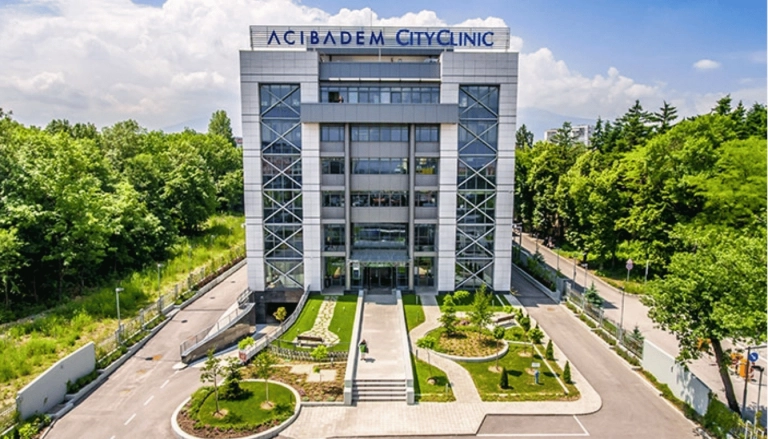 6 Acıbadem Maslak HospitalIstanbul · Turkey · ISO 9001 · JCI · ★ 4.6From$4,670from $4,670 JCI accredited
Get the MIGS (Minimally Invasive Glaucoma Surgery) cost & planning report
A free PDF built from today's listed prices. Keep it, print it or send it to your family on WhatsApp.
What's inside
- Prices by country, city and hospital, compared with home
- All-in trip budget: treatment, stay, food, visa
- Day-by-day timeline and recovery milestones
- Visa summary, preparation checklist and questions to ask
- Treatment (typical listed price) 87% $5,450
- Accommodation 6% $350
- Food 3% $200
- Local transport 1% $50
- Visa fees 3% $150
- Estimated total$6,250
Source: medcasts.com · prices as of May 2026
✓ Your report is ready
Download PDF Send to my family on WhatsApp Ask a coordinator on WhatsApp → Get a personal quote instead →Get a free second opinion in 48 hours.
Send your scans and reports. A senior specialist reviews them and replies in writing.
Top MIGS (Minimally Invasive Glaucoma Surgery) surgeons

MIGS (Minimally Invasive Glaucoma Surgery) prices by country
Typical hospital price per country, from 72 price records in the Medcasts database.
What a hospital quote usually includes
- Surgeon, anaesthesia and operating room
- Your hospital stay and nursing care
- Routine tests and medicines during the stay
- Free Medcasts coordinator, visa letter help and airport pickup arrangements
- Not included: flights and hotel after discharge
Every quote we send lists what is and isn't included, line by line.
Your recovery plan
- Day 1Mild blur; blood in the front of the eye may show.
- Week 1Vision improves; drops continue.
- Weeks 2-6Pressure stabilises; glaucoma drops may be tapered.
- Months 3-12Long-term pressure control assessed.
Medical visa times by destination
Visa processing time by destination
We send the hospital invitation letter within 24 hours of your decision. Check your visa
About MIGS (Minimally Invasive Glaucoma Surgery)
MIGS is a day case under local or topical anaesthesia. Using a microscope and a viewing lens of the eye's drainage angle, the surgeon works through a clear corneal incision of 2 mm or less. Depending on the device, it may stent the drainage channel, remove a strip of drainage tissue or create a small new outflow path under the conjunctiva.
MIGS usually gives a moderate fall in eye pressure and often reduces the number of drops needed, but it is less powerful than trabeculectomy or a drainage tube. Results depend on the device chosen, the stage of glaucoma and the starting pressure. It is generally not suited to advanced or very high-pressure disease.
Recovery is quick, and most people stay about a week for the first-day and one-week reviews. Bring your visual field tests, optic nerve scans, pressure readings and drop list. Continue glaucoma monitoring at home, since MIGS does not remove the need for regular checks, and arrange the cataract follow-up if combined.
Usually a good fit if
- Mild to moderate open-angle glaucoma needing fewer drops.
- Undergoing cataract surgery at the same time.
- Open drainage angle on gonioscopy.
- Target pressure in the mid-teens, not very low.
May need to wait if
- Advanced glaucoma needing very low pressure.
- Closed angles or neovascular glaucoma.
- Active inflammation or infection.
- Expecting to stop all treatment.
How to prepare
- Bring visual field results, OCT of the optic nerve and your pressure history.
- Review glaucoma drops with your doctor; do not stop them without instruction.
- Ask which MIGS device is planned and whether it suits your angle type.
- Undergo cataract measurements if combined surgery is planned.
- Arrange transport and early reviews.
Questions to ask your surgeon
- Which MIGS device suits my type of glaucoma?
- What pressure drop and drop reduction can I expect?
- Is a trabeculectomy likely to be needed in future?
- Is the procedure combined with cataract surgery?
- What are the specific risks, such as bleeding or device blockage?
- Who will measure pressure at home?
Red flags when comparing hospitals
- MIGS offered for advanced glaucoma needing big pressure reduction.
- No gonioscopy or field test.
- Promising freedom from drops.
- Device model not documented.
Questions about MIGS (Minimally Invasive Glaucoma Surgery) abroad
Which country is cheapest for MIGS (Minimally Invasive Glaucoma Surgery)?
The lowest typical hospital prices are in India ($5,445), Thailand ($6,573), Turkey ($7,488), out of 9 countries we compare.
How is MIGS different from trabeculectomy?
It is gentler with faster recovery but lowers pressure less, so it suits earlier glaucoma.
Will I need drops after MIGS?
Many people use fewer, some none, but ongoing monitoring is essential.
Is MIGS safe?
Complication rates are lower than for traditional operations, though bleeding and blockage can occur.
Can MIGS be repeated?
Other options remain available, including laser and further surgery.