Intussusception Reduction abroad: best countries and costs (2026)
Intussusception Reduction starts from about $2,350 in India. Compare 72 hospital price records across 9 countries. Choose a country to see hospitals, surgeons and visa information.
- 2 nights in hospital
- 14 days to full recovery
- 9 countries compared
- 95% reported success rate
Prices are hospital price ranges from our database, not a final quote. How we check
Intussusception Reduction cost guide: what's included, what moves the price, red flags
Estimate your total cost
Choose your options. The price updates straight away.
The hospital estimate uses the typical range across 8 hospital prices.
Room and implant choices use rough adjustments (est.). Meals at about $15 per person per day. Flights not included.
Request 3 hospital quotesTop hospitals for Intussusception Reduction by country
How we rankRanked by accreditation, patient rating and review count, then price.
-
 1 Indraprastha Apollo HospitalNew Delhi · India · ISO 9001 · JCI · NABH · ★ 4.9From$2,390from $2,390 2 doctors listed JCI accredited
-
 2 Bumrungrad InternationalBangkok · Thailand · HA · ISO 9001 · JCI · ★ 4.8From$3,090from $3,090 JCI accredited
-
 3 Asan Medical CenterSeoul · South Korea · ISO 9001 · JCI · KOIHA · ★ 4.8From$4,500from $4,500 21 doctors listed JCI accredited
-
 4 Cleveland Clinic Abu DhabiAbu Dhabi · United Arab Emirates · DHA · DOH · JCI · ★ 4.7From$5,090from $5,090 JCI accredited
-
 5 Mount Elizabeth HospitalSingapore · Singapore · ISO 9001 · JCI · ★ 4.7From$5,890from $5,890 JCI accredited
-
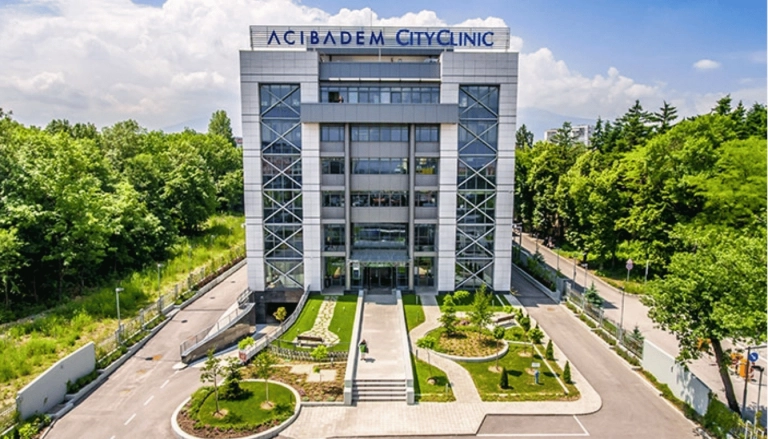 6 Acıbadem Maslak HospitalIstanbul · Turkey · ISO 9001 · JCI · ★ 4.6From$3,610from $3,610 JCI accredited
Get the Intussusception Reduction cost & planning report
A free PDF built from today's listed prices. Keep it, print it or send it to your family on WhatsApp.
What's inside
- Prices by country, city and hospital, compared with home
- All-in trip budget: treatment, stay, food, visa
- Day-by-day timeline and recovery milestones
- Visa summary, preparation checklist and questions to ask
- Treatment (typical listed price) 74% $4,000
- Accommodation 13% $700
- Food 8% $450
- Local transport 2% $100
- Visa fees 3% $150
- Estimated total$5,400
Source: medcasts.com · prices as of May 2026
✓ Your report is ready
Download PDF Send to my family on WhatsApp Ask a coordinator on WhatsApp → Get a personal quote instead →Get a free second opinion in 48 hours.
Send your scans and reports. A senior specialist reviews them and replies in writing.
Top Intussusception Reduction surgeons
Intussusception Reduction prices by country
Typical hospital price per country, from 72 price records in the Medcasts database.
What a hospital quote usually includes
- Surgeon, anaesthesia and operating room
- About 2 nights in hospital, with nursing care
- Routine tests and medicines during the stay
- Free Medcasts coordinator, visa letter help and airport pickup arrangements
- Not included: flights and hotel after discharge
Every quote we send lists what is and isn't included, line by line.
Your recovery plan
- Hours 0–6Fluids, enema reduction, and observation; symptoms usually ease quickly.
- Day 1Feeding restarts when comfortable; watching for vomiting or recurrence.
- Days 2–3Going home if feeding, passing stool and pain-free.
- Weeks 1–2Normal activity; seek help for recurring abdominal pain or vomiting.
Medical visa times by destination
Visa processing time by destination
We send the hospital invitation letter within 24 hours of your decision. Check your visa
About Intussusception Reduction
Most children are first treated without surgery, with an air or fluid enema given under ultrasound or X-ray guidance, which pushes the bowel back into place. If that fails, or if there is a perforation or signs of dead bowel, the surgeon operates, either through a small open incision or laparoscopically, to manually reduce it or remove the damaged section.
Most children recover fully when treated promptly, and non-surgical reduction works in a large majority of cases that are caught early. Results depend on how long the bowel was trapped, the child's age, and whether the bowel's blood supply was affected. Recurrence is possible in a small number of children, especially within the first days.
Treatment is urgent, so seek emergency care rather than planning a trip. After reduction, children are observed in hospital for a day or two to confirm they are feeding and passing stool. If your child has repeated episodes, bring the scan reports, and make sure you know the warning signs of recurrence for the days after returning home.
Usually a good fit if
- Infants and toddlers with colicky pain, vomiting and bloody 'redcurrant jelly' stool confirmed on ultrasound.
- Children without perforation, peritonitis or shock, who can be treated with an enema.
- Children stable after fluids and monitoring.
- Recurrence after an earlier reduction.
May need to wait if
- Signs of perforation, peritonitis or severe shock, which need immediate surgery.
- Prolonged symptoms with likely dead bowel.
- Children with a lead point, such as a polyp or Meckel diverticulum, who often need surgery.
- Unstable children who must first be resuscitated.
How to prepare
- This is usually an emergency; bring a record of symptoms, onset time and any recent illness, such as gastroenteritis.
- Keep the child nil by mouth and follow instructions about intravenous fluids.
- Make sure the hospital has a paediatric surgeon and radiologist who perform enemas.
- Ask for blood tests and an abdominal ultrasound to confirm diagnosis.
- If you are travelling, do not delay urgent care for the sake of a trip.
Questions to ask your surgeon
- Has the diagnosis been confirmed on ultrasound?
- Will you try an air or fluid enema first, and who performs it?
- What happens if the reduction does not work?
- How long will my child stay and be observed afterwards?
- What is the chance of recurrence, and what are the signs?
- What should I watch for once I am home?
Red flags when comparing hospitals
- No ultrasound or radiologist experienced in paediatric enemas.
- No paediatric surgeon on site to operate if needed.
- Attempted enema in a child who is shocked or has a perforation.
- Discharge without observation after reduction.
Questions about Intussusception Reduction abroad
Which country is cheapest for Intussusception Reduction?
The lowest typical hospital prices are in India ($3,975), Thailand ($4,968), Turkey ($5,783), out of 9 countries we compare.
How long will I stay in hospital for Intussusception Reduction?
Most patients spend about 2 nights in hospital. Full recovery takes about 14 days; your surgeon will tell you when you are fit to fly home.
Does my child always need surgery?
No. Most children are treated successfully with an air or fluid enema. Surgery is for those with failed reduction, perforation or other complications.
Can it happen again?
Yes. A minority of children have another episode, often within the first days. Return urgently if symptoms recur.
Why did it happen?
In most infants no cause is found, but a recent viral illness or an enlarged lymph gland is common. Older children are more likely to have a lead point.
Is feeding restricted afterwards?
Feeds usually restart within hours once the child is comfortable, and gradually return to normal.