Ceramic Braces cost in Germany (2026)
Ceramic Braces in Germany costs $4,550 to $15,200. That is the range across 8 hospital prices in our database; the typical price is $9,450. Your exact price depends on the hospital, room and implant.
- 1 days to full recovery
- 8 hospital prices
- 10 days visa processing
- 95% reported success rate
Prices are hospital price ranges from our database, not a final quote. How we check
Estimate your total cost
Choose your options. The price updates straight away.
Hospital package = typical price range from 8 hospital prices.
Room and implant choices use rough adjustments (est.). Meals at about $15 per person per day. Flights not included.
Get 3 real quotes for this estimateCost breakdown: what changes the price
Based on 8 hospital prices in Germany.
Best hospitals for Ceramic Braces in Germany
How we rankRanked by accreditation, patient rating and review count, then price.
-
 1 Charité — Universitätsmedizin BerlinBerlin · ISO · ISO 9001 · ★ 4.6From$5,220$5,220 – $15,220
-
 2 Klinikum rechts der Isar (TUM)Munich · ISO · ISO 9001 · ★ 4.6From$4,700$4,700 – $13,720
-
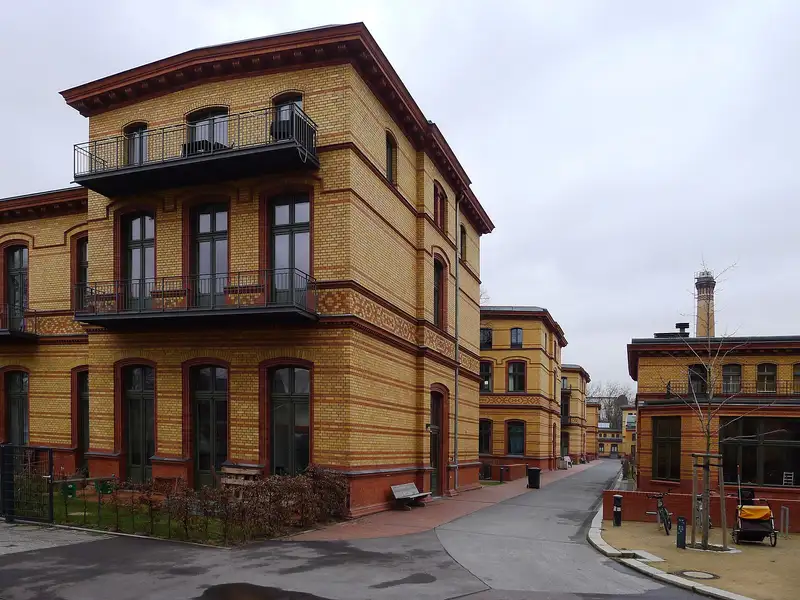 3
-
 4 Bundeswehrkrankenhaus HamburgHamburg · ISO 9001From$4,580$4,580 – $13,370
-
 5 CharitéBerlin · ISO 9001From$4,730$4,730 – $13,800 33 doctors listed
Get a free second opinion in 48 hours.
Send your scans and reports. A senior specialist reviews them and replies in writing.
Germany vs other countries
Typical hospital price per country, from 72 price records in the Medcasts database.
What a hospital quote usually includes
- Surgeon, anaesthesia and operating room
- Your hospital stay and nursing care
- Routine tests and medicines during the stay
- Free Medcasts coordinator, visa letter help and airport pickup arrangements
- Not included: flights and hotel after discharge
Every quote we send lists what is and isn't included, line by line.
Your recovery plan
- Days 1–3Teeth and gums are sore; eat soft foods and use wax on rubbing spots.
- Weeks 1–4You adapt to speaking and eating, and learn to clean around brackets.
- Months 3–18Teeth gradually align with regular adjustments.
- Months 12–30Braces are removed and retainers fitted.
Medical visa for Germany
Germany issues a Schengen short-stay (Type C, up to 90 days) or long-stay (Type D, >90 days) Medical Treatment visa through its consulates. Most cases use Type C. Appointments at German consulates in busy source markets (Dubai, Delhi, Moscow) can be booked 4-8 weeks out — start the paperwork early. Family attendants apply separately with proof of relation.
- 1Choose your hospital from your quotes
- 2We help you get the hospital's invitation letter
- 3Apply with your passport, photo and the letter
- 4Fly. Your coordinator arranges airport pickup
Visa processing time by destination
We send the hospital invitation letter within 24 hours of your decision. Check your visa
About Ceramic Braces
Ceramic Braces is a minimally invasive dental procedure performed across our partner network at international price points ($1.1k–$15k). Cost varies by destination, surgeon volume, and inclusions. The decision to operate isn't taken on imaging alone — every program we coordinate with insists on a documented multidisciplinary discussion before scheduling.
Ceramic Braces typically requires none anaesthesia, is done as a same-day case, and a 1-day recovery to normal daily activity. Reported technical-success rate at high-volume centres is around 95%.,Outcomes are far more sensitive to surgeon and program volume than to the specific implant brand, technique label, or country — the published outcome literature consistently shows that volume + perioperative pathway outweigh marketing differentiators.,Pricing varies by destination ($1.1k–$15k across our partner network), inclusions, and surgeon seniority. Always insist on a written, line-item quote with the implant brand, drug regimen, and complication-coverage policy explicitly listed.
Usually a good fit if
- You have crowding, spacing, an overbite or other alignment problems.
- Your teeth and gums are healthy.
- You want discreet fixed braces and can follow hygiene instructions.
- You can commit to regular adjustment visits and retainers.
May need to wait if
- Untreated tooth decay or gum disease.
- Poor oral hygiene that you cannot improve.
- Inability to attend regular adjustment appointments.
- Severe jaw discrepancy that needs surgery in addition to braces.
How to prepare
- Have a dental check-up to treat decay and gum disease before braces are fitted.
- Bring any previous X-rays, and expect new photographs, scans and sometimes extractions.
- Tell your dentist about allergies, medical conditions and medicines.
- Buy an interdental brush, orthodontic wax and a soft toothbrush.
- Ask how adjustment visits will be managed if you live abroad.
Questions to ask your surgeon
- How long will my treatment take and how many visits are needed?
- Will you remove any teeth?
- Are ceramic brackets right for my bite, given they are more fragile?
- What happens if a bracket breaks or I have a problem at home?
- What retainers will I need and for how long?
- Can my local orthodontist continue the treatment?
Red flags when comparing hospitals
- No X-rays or records before treatment.
- Treatment planned without a clear schedule of visits.
- No retainers included in the plan.
- No explanation of staining risk or breakage.
Questions about Ceramic Braces in Germany
How much does Ceramic Braces cost in Germany in 2026?
Between $4,550 and $15,200 at most hospitals, with a typical price of $9,450. This is based on 8 hospital prices in Germany in our database. Your final price depends on the hospital, room type and implant; we send written quotes that list what is included.
Is Ceramic Braces cheaper in Germany than in other countries?
Germany ranks 9 of 9 destinations we compare for this procedure. The lowest typical price is in India at about $2,398.
How long does a medical visa for Germany take?
Schengen Medical Treatment Visa (Type C or D): processing takes about 10 days and the visa is valid for 90 days. We help with the hospital invitation letter.
Do ceramic braces stain?
The brackets resist staining, but elastic ties can discolour, and good cleaning and avoiding heavy staining foods help.
Are they as effective as metal braces?
They move teeth similarly, but they are more brittle and can slow treatment if they break.
How long do I need to wear braces?
Most people wear them for 12 to 30 months, depending on the problem.
Can I have treatment while travelling?
It needs frequent visits, so plan with a local orthodontist or choose a team that coordinates remote follow-up.