Uzmanlık · 5.601 akredite hastane
Organ nakli
Liver, kidney, heart, and bone marrow transplantation with comprehensive pre and post-operative care.

- Hastane
- 5.601Hastane
- Tedavi
- 20Tedavi
- Destinasyon
- 9Destinasyon
- Başlangıç
- $3,190Başlangıç
01 · Prosedürler
Organ'deki tedaviler
- Karaciğer Nakli 21g yatış 13 hf iyileşme %92 başarı Fiyatları karşılaştır
- ABO-Incompatible Kidney Transplant 14g yatış 13 hf iyileşme %88 başarı Fiyatları karşılaştır
- Böbrek Nakli 14g yatış 9 hf iyileşme %95 başarı Fiyatları karşılaştır
- Living Donor Liver Transplant (LDLT) 21g yatış 17 hf iyileşme %88 başarı Fiyatları karşılaştır
- Simultaneous Pancreas-Kidney (SPK) Transplant 21g yatış 17 hf iyileşme %86 başarı Fiyatları karşılaştır
- Multi-Visceral Transplant 42g yatış 34 hf iyileşme %60 başarı Fiyatları karşılaştır
- DSAEK (Endothelial Keratoplasty) 1g yatış 9 hf iyileşme %94 başarı Fiyatları karşılaştır
- DMEK (Descemet Membrane Keratoplasty) 1g yatış 9 hf iyileşme %94 başarı Fiyatları karşılaştır
- Living Donor Kidney Transplant 10g yatış 13 hf iyileşme %96 başarı Fiyatları karşılaştır
- Deceased Donor Kidney Transplant 12g yatış 13 hf iyileşme %92 başarı Fiyatları karşılaştır
- Paired Kidney Exchange 12g yatış 13 hf iyileşme %95 başarı Fiyatları karşılaştır
- Deceased Donor Liver Transplant 21g yatış 17 hf iyileşme %84 başarı Fiyatları karşılaştır
- Split Liver Transplant 21g yatış 17 hf iyileşme %82 başarı Fiyatları karşılaştır
- Double Lung Transplant 28g yatış 26 hf iyileşme %70 başarı Fiyatları karşılaştır
- Heart-Lung Transplant 28g yatış 26 hf iyileşme %65 başarı Fiyatları karşılaştır
- Intestinal Transplant 35g yatış 34 hf iyileşme %65 başarı Fiyatları karşılaştır
- Cornea Transplant (Penetrating Keratoplasty) 1g yatış 13 hf iyileşme %92 başarı Fiyatları karşılaştır
- Akciğer Nakli 21g yatış 26 hf iyileşme %80 başarı Fiyatları karşılaştır
- Pankreas / Eşzamanlı Böbrek-Pankreas Nakli 14g yatış 17 hf iyileşme %85 başarı Fiyatları karşılaştır
- Single Lung Transplant 21g yatış 26 hf iyileşme %75 başarı Fiyatları karşılaştır
02 · Öne çıkan hastaneler
Organ için mükemmellik merkezleri
-
 ISO 9001JCINABH Indraprastha Apollo Hospital New Delhi, India ★ 4.9 · 520 değerlendirme Teklifler şundan başlar: $3,770 Görüntüle
 -
 HAISO 9001JCI Bumrungrad International Bangkok, Thailand ★ 4.8 · 640 değerlendirme Teklifler şundan başlar: $4,530 Görüntüle
 -
 ISO 9001JCIKOIHA Asan Medical Center Seoul, South Korea ★ 4.8 · 410 değerlendirme Teklifler şundan başlar: $5,750 Görüntüle
 -
 ISO 9001JCINABH Medanta - The Medicity Gurugram, India ★ 4.7 · 412 değerlendirme Teklifler şundan başlar: $3,190 Görüntüle
 -
 DHADOHJCI Cleveland Clinic Abu Dhabi Abu Dhabi, United Arab Emirates ★ 4.7 · 395 değerlendirme Teklifler şundan başlar: $7,550 Görüntüle
 -
 ISO 9001JCI Mount Elizabeth Hospital Singapore, Singapore ★ 4.7 · 380 değerlendirme Teklifler şundan başlar: $9,190 Görüntüle
03 · Cerrahlar
Organ alanında çalışan cerrahlar
-
 Dr. Naresh Trehan Dr. Medanta - The Medicity 45 yıl deneyim · ★ 4.9
 -
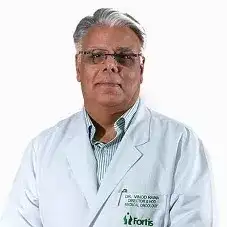 Dr. Vinod Raina Dr. Indraprastha Apollo Hospital 30 yıl deneyim · ★ 4.9
 -
 Dr. Arvind Kumar Dr. Medanta - The Medicity 35 yıl deneyim · ★ 4.8
 -
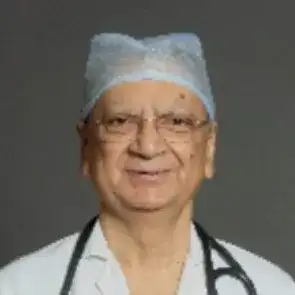 Dr. S.K. Gupta Dr. Indraprastha Apollo Hospital 28 yıl deneyim · ★ 4.7
 -
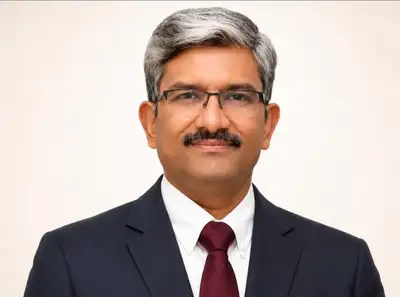 Dr. Aditya Gupta Dr. Artemis Hospital 22 yıl deneyim · ★ 4.8
 -
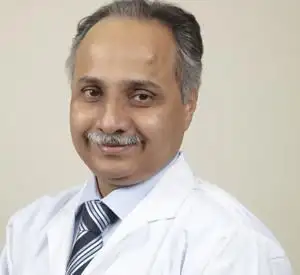 Dr. Harit Chaturvedi Dr. Max Super Speciality Hospital, Saket 25 yıl deneyim · ★ 4.8
04 · Nereye gidilmeli
Organ için destinasyonlar
| India ülkesinde Organ nakli | 3.339 hastane | Ülke rehberi |
|---|---|---|
| Germany ülkesinde Organ nakli | 2.144 hastane | Ülke rehberi |
| Saudi Arabia ülkesinde Organ nakli | 55 hastane | Ülke rehberi |
| Singapore ülkesinde Organ nakli | 53 hastane | Ülke rehberi |
| Turkey ülkesinde Organ nakli | 3 hastane | Ülke rehberi |
| South Korea ülkesinde Organ nakli | 2 hastane | Ülke rehberi |
| Thailand ülkesinde Organ nakli | 2 hastane | Ülke rehberi |
| United Arab Emirates ülkesinde Organ nakli | 2 hastane | Ülke rehberi |
| Malaysia ülkesinde Organ nakli | 1 hastane | Ülke rehberi |
Sonuçlara genel bakış
organ tedavisindeki hastalar genellikle ne görüyor
Bu uzmanlıktaki 20 prosedür genelinde ortalamalar. Vaka yöneticiniz, endikasyonunuza ve seçilen cerraha özgü sonuçları aktaracaktır.
Dernek kılavuzları
Tedavi önerileri, varsa uluslararası dernek konsensüsünü; yoksa uzmanın kurumsal protokolünü takip eder. Her teklifte kaynağı belirtiyoruz.
Alt uzmanlıklar
organ nakli kapsamında
Liver transplant
Living-donor (most common at major Indian programs) and deceased-donor. India and Korea lead globally on living-donor volume.
Kidney transplant
Living-donor and deceased-donor. Compatibility matching plus modern desensitization expand donor pool.
Heart transplant
Always deceased-donor. Wait times vary by country; UNOS-equivalent allocation systems.
Lung transplant
Single or double lung; often complicated by chronic conditions.
Bone marrow transplant
Autologous, allogeneic, haploidentical, cord blood. Highly specialized programs.
Multi-organ transplant
Pancreas-kidney, heart-lung, liver-kidney. Specialized centers only.
Program kalitesi
Nelere dikkat edilmeli
- 1-year and 5-year graft survival data published transparently.
- Annual case volume on your specific organ (200+ for kidney, 100+ for liver tells you it's a serious program).
- Dedicated transplant ICU and post-op floors.
- Multidisciplinary team: surgeons, hepatologists/nephrologists/cardiologists, infectious disease, transplant pathologist, transplant pharmacist.
- Donor evaluation infrastructure (4-6 week comprehensive workup, psychiatric clearance, independent legal counsel).
- Immunosuppression management protocols and home-center coordination.
- Long-term follow-up infrastructure including biopsy capability and rejection monitoring.
Hacim eşikleri
Cerrah hacim kıyaslamaları
| 200+ transplants/year program-wide on specific organ | Top-tier; outcomes meet or exceed published gold-standard |
|---|---|
| 75–200/year | Strong; near-top-tier outcomes |
| 30–75/year | Moderate; acceptable for straightforward cases |
| Under 30/year | Lower volume; complications and outcomes more variable |
Destinasyonlar
Bu işlemin yaygın yapıldığı yerler
India
Highest-volume living-donor liver transplant globally. Top programs: Medanta-Liver Institute, ILBS, Apollo, Global, Aster, Manipal.
Turkey
Strong living-donor liver and kidney programs at Memorial and Acıbadem.
Germany
Premium destination for deceased-donor work and complex multi-organ. Charité, Hannover Medical School, Heidelberg.
Korea
Asan Medical Center is the world's largest liver transplant program.
Thailand
Established kidney transplant programs at Bumrungrad and Bangkok Hospital.
Hasta yolculuğu
Tipik tedavi akışı
Pre-transplant workup
8-16 weeks: organ function staging, cardiac/pulmonary, cancer screening, dental, vaccinations, psychosocial.
Donor evaluation (if living-donor)
4-6 weeks: comprehensive donor medical workup, psychiatric clearance, legal counsel, cross-match.
Transplant + admission
7-21 day hospital stay typical depending on organ; ICU step-down 1-7 days; intensive monitoring of graft function and immunosuppression.
Post-discharge intensive monitoring
Daily/weekly labs and clinic visits for first 4-6 weeks; intensive immunosuppression titration.
Long-term care + handoff
Transition to home transplant center for ongoing care. Drug-level monitoring lifelong; rejection surveillance per protocol.
Sorular
Programa ne sorulmalı
- What's your 1-year and 5-year graft survival, broken out by donor type?
- What's your wait time, and how is the donor matching handled?
- What's the immunosuppression regimen, and how do drug levels transfer to my home center?
- What's the rejection rate at 1 year, and how is it monitored?
- What's the program's policy if I develop a complication after returning home?
Karar kontrolü
Bu uzmanlık durumunuz için doğru mu?
- Is your underlying organ disease end-stage and worked up?
- Do you have a suitable potential donor (for living-donor pathways)?
- Are you and your potential donor psychologically and medically ready?
- Is your home transplant center willing to coordinate ongoing care?
- Can you commit to lifelong immunosuppression and lab monitoring?
05 · SSS
Yurt dışında Organ nakli hakkında sık sorulan sorular
How do I pick a hospital for Organ Transplant?
Start with three filters: annual case volume for the specific procedure (not the specialty as a whole), the surgeon's personal experience with your condition, and what the follow-up plan looks like for months 3–12 after you're back home. Hospital brand matters less than the specific team you'll be under.
What's the cost difference between countries for organ transplant?
Cost differences between destinations for organ transplant can run 3–10× depending on the procedure and the country. The gap is usually driven by surgeon/labor costs and facility overhead rather than technology or outcomes — many mid-cost destinations run the same equipment as premium markets.
Is a second opinion worth it before booking organ transplant?
For most elective procedures in organ transplant, yes. A multidisciplinary review often changes the treatment recommendation — sometimes away from surgery, sometimes toward a different approach. We coordinate free second opinions across our partner programs before any travel is booked.
How long should I plan to be abroad for organ transplant treatment?
Plan for the procedure + the first follow-up to happen before you fly back. Simple procedures can be a 1–2 week trip; complex surgery often needs 3–6 weeks. Your coordinator will give you a date-specific plan once your clinical details are in.
What happens if I have a complication after flying home?
A good program will have a clear follow-up pathway: direct messaging with the surgical team, imaging sharing, and — in the rare case of a serious complication — a pathway for return or for local handoff to a partner hospital. Ask about this specifically before booking; ambiguity here is the single biggest red flag.
Specialty depth
How to shortlist a credible organ nakli specialist
A board certification in organ nakli is the floor, not the ceiling. Senior practice in this field is sub-specialised — the right surgeon for your case is the one whose volume, fellowship, and audit data line up with the specific operation you need.
Sub-specialties to be aware of
Organ nakli typically branches into several sub-fields by anatomy, technique, or patient population. The right surgeon for your case is sub-specialty matched, not just board-certified in the general field.
How outcomes get measured
- Procedure-specific mortality / major-morbidity rate.
- Re-operation or re-admission rate within 30 / 90 days.
- Patient-reported outcome measures (PROMs) at standard intervals.
- Length of stay and discharge-to-home rate.
What a credible specialist looks like
- High annual procedure volume in your specific operation, not just the broader specialty.
- Subspecialty fellowship training — surgeon volume and case mix matter more than overall years in practice.
- Active multidisciplinary review for complex cases.
- Publicly reported outcomes (national registries, peer-reviewed publications).
Yöntem ve editoryal standartlar
This organ nakli hub draws on 5,601 accredited hospitals running active organ nakli programs across 9 destinations.
- Hastane verileri. Akreditasyon, ruhsat ve olanaklar kamu kayıtlarından (JCI, NABH, sağlık bakanlığı ruhsat listeleri) ve hastane belgelerinden kontrol edilir ve düzenli olarak yeniden doğrulanır.
- Doktor yeterlilikleri. Eğitim ve uzmanlık bilgileri doktorun hastane profilinden ve ulusal tabip odası kayıtlarından alınır.
- Fiyatlar. Fiyat aralıkları reklam fiyatlarından değil, hastanelerin yazılı tekliflerinden ve paketlerinden gelir.
- Klinik metinler. Editör ekibimiz tarafından yazılır ve yayından önce güncel yayımlanmış kılavuzlarla karşılaştırılır.
- Bağımsızlık. Hastaneler sayfalarımızdaki sıralarını değiştirmek için ödeme yapamaz.
Organ nakli tedavisi
organ nakli ile ilgili daha fazlası
Bu sayfa yalnızca bir başlangıç noktası. Bu sayfalarda cerraha, ülkeye, işleme veya hastalığa göre arama yapabilir, kararınıza uygun görünümü seçebilirsiniz.
- Cerrahlar Tüm organ nakli cerrahları Tüm ülkelerdeki cerrah rehberi.
- Hastaneler organ nakli sunan hastaneler Ağımızdaki bu uzmanlık programları.
- Göz at Tüm hastalıklar Hastalıktan uzmanlığa, oradan ilk basamak tedaviye.
- Göz at Tüm işlemler Her işlem için iyileşme süresi ve hastane fiyatları.
- Göz at Tedavi ülkeleri Tedavi maliyeti, hastane programları ve vize rehberleri.
- En iyiler En iyi organ nakli programları Uzmanlık ve ülkeye göre sıralı, yöntemi açıklanmış.
- Karşılaştır Hastane karşılaştırma Akreditasyonlar, yataklar ve fiyatlar yan yana.
- Karşılaştır Doktor karşılaştırma Cerrahlar deneyim, ücret ve dillere göre karşılaştırılır.
- Araç Maliyet hesaplayıcı İşlem ve ülkeye göre hastanelerin bildirdiği fiyatlar.
- Araç Bana uygun olanı bul Üç soruyu yanıtlayın; uzmanlık, ülke ve hastane kısa listesi alın.
- Güven Tıbbi kurul Tıbbi içeriğimizi inceleyen hekimler.
- Eylem Ücretsiz ikinci görüş Bir uzman raporlarınızı ücretsiz inceler.
Sonraki adım · Organ nakli
Vakayı paylaşın. 48 saatte Organ kısa listesi alın.
İlerlemenin üç yolu var. Şu an size uygun olanı seçin.