Especialidade · 5.601 hospitais credenciados
Transplante de órgãos
Liver, kidney, heart, and bone marrow transplantation with comprehensive pre and post-operative care.

- Hospitais
- 5.601Hospitais
- Tratamentos
- 20Tratamentos
- Destinos
- 9Destinos
- A partir de
- $3,190A partir de
01 · Procedimentos
Tratamentos em Transplante
- ABO-Incompatible Kidney Transplant 14d de internação 13 sem. de recuperação 88% de sucesso Comparar preços
- Transplante renal 14d de internação 13 sem. de recuperação 95% de sucesso Comparar preços
- Cornea Transplant (Penetrating Keratoplasty) 1d de internação 39 sem. de recuperação 92% de sucesso Comparar preços
- Deceased Donor Liver Transplant 12d de internação 17 sem. de recuperação 84% de sucesso Comparar preços
- DMEK (Descemet Membrane Keratoplasty) 1d de internação 9 sem. de recuperação 94% de sucesso Comparar preços
- Double Lung Transplant 28d de internação 26 sem. de recuperação 70% de sucesso Comparar preços
- DSAEK (Endothelial Keratoplasty) 1d de internação 9 sem. de recuperação 94% de sucesso Comparar preços
- Deceased Donor Kidney Transplant 8d de internação 13 sem. de recuperação 92% de sucesso Comparar preços
- Heart-Lung Transplant 28d de internação 26 sem. de recuperação 65% de sucesso Comparar preços
- Intestinal Transplant 35d de internação 34 sem. de recuperação 65% de sucesso Comparar preços
- Living Donor Liver Transplant (LDLT) 21d de internação 17 sem. de recuperação 88% de sucesso Comparar preços
- Transplante de fígado 21d de internação 21 sem. de recuperação 92% de sucesso Comparar preços
- Living Donor Kidney Transplant 10d de internação 13 sem. de recuperação 96% de sucesso Comparar preços
- Transplante de pulmão 21d de internação 26 sem. de recuperação 80% de sucesso Comparar preços
- Multi-Visceral Transplant 42d de internação 34 sem. de recuperação 60% de sucesso Comparar preços
- Paired Kidney Exchange 12d de internação 13 sem. de recuperação 95% de sucesso Comparar preços
- Transplante de pâncreas / rim-pâncreas simultâneo 14d de internação 17 sem. de recuperação 85% de sucesso Comparar preços
- Single Lung Transplant 21d de internação 26 sem. de recuperação 75% de sucesso Comparar preços
- Simultaneous Pancreas-Kidney (SPK) Transplant 21d de internação 17 sem. de recuperação 86% de sucesso Comparar preços
- Split Liver Transplant 21d de internação 17 sem. de recuperação 82% de sucesso Comparar preços
02 · Hospitais em destaque
Centros de excelência em Transplante
-
 ISO 9001JCINABH Indraprastha Apollo Hospital New Delhi, India ★ 4.9 · 520 avaliações Orçamentos a partir de $3,770 Ver
-
 HAISO 9001JCI Bumrungrad International Bangkok, Thailand ★ 4.8 · 640 avaliações Orçamentos a partir de $4,530 Ver
-
 ISO 9001JCIKOIHA Asan Medical Center Seoul, South Korea ★ 4.8 · 410 avaliações Orçamentos a partir de $5,750 Ver
-
 ISO 9001JCINABH Medanta - The Medicity Gurugram, India ★ 4.7 · 412 avaliações Orçamentos a partir de $3,190 Ver
-
 DHADOHJCI Cleveland Clinic Abu Dhabi Abu Dhabi, United Arab Emirates ★ 4.7 · 395 avaliações Orçamentos a partir de $7,550 Ver
-
 ISO 9001JCI Mount Elizabeth Hospital Singapore, Singapore ★ 4.7 · 380 avaliações Orçamentos a partir de $9,190 Ver
03 · Cirurgiões
Cirurgiões especializados em Transplante
-
 Dr. Naresh Trehan Dr. Medanta - The Medicity 45 anos de experiência · ★ 4.9
-
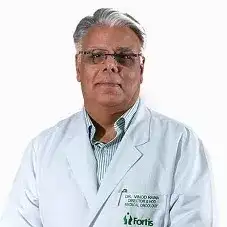 Dr. Vinod Raina Dr. Indraprastha Apollo Hospital 30 anos de experiência · ★ 4.9
-
 Dr. Arvind Kumar Dr. Medanta - The Medicity 35 anos de experiência · ★ 4.8
-
 Dr. S.K. Gupta Dr. Indraprastha Apollo Hospital 28 anos de experiência · ★ 4.7
-
 Dr. Aditya Gupta Dr. Artemis Hospital 22 anos de experiência · ★ 4.8
-
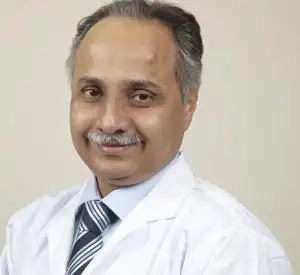 Dr. Harit Chaturvedi Dr. Max Super Speciality Hospital, Saket 25 anos de experiência · ★ 4.8
04 · Para onde ir
Destinos para Transplante
| Transplante de órgãos em India | 3.339 hospitais | Guia do país |
|---|---|---|
| Transplante de órgãos em Germany | 2.144 hospitais | Guia do país |
| Transplante de órgãos em Saudi Arabia | 55 hospitais | Guia do país |
| Transplante de órgãos em Singapore | 53 hospitais | Guia do país |
| Transplante de órgãos em Turkey | 3 hospitais | Guia do país |
| Transplante de órgãos em South Korea | 2 hospitais | Guia do país |
| Transplante de órgãos em Thailand | 2 hospitais | Guia do país |
| Transplante de órgãos em United Arab Emirates | 2 hospitais | Guia do país |
| Transplante de órgãos em Malaysia | 1 hospitais | Guia do país |
Resultados em destaque
O que os pacientes de transplante costumam observar
Médias dos 20 procedimentos nesta especialidade. Seu gestor de caso fornecerá resultados específicos para sua indicação e o cirurgião escolhido.
Diretrizes das sociedades médicas
As recomendações de tratamento seguem o consenso das sociedades internacionais quando existe, e o protocolo institucional do especialista quando não existe. A fonte é informada em cada orçamento.
Sub-especialidades
Dentro de transplante de órgãos
Liver transplant
Living-donor (most common at major Indian programs) and deceased-donor. India and Korea lead globally on living-donor volume.
Kidney transplant
Living-donor and deceased-donor. Compatibility matching plus modern desensitization expand donor pool.
Heart transplant
Always deceased-donor. Wait times vary by country; UNOS-equivalent allocation systems.
Lung transplant
Single or double lung; often complicated by chronic conditions.
Bone marrow transplant
Autologous, allogeneic, haploidentical, cord blood. Highly specialized programs.
Multi-organ transplant
Pancreas-kidney, heart-lung, liver-kidney. Specialized centers only.
Qualidade do programa
O que procurar
- 1-year and 5-year graft survival data published transparently.
- Annual case volume on your specific organ (200+ for kidney, 100+ for liver tells you it's a serious program).
- Dedicated transplant ICU and post-op floors.
- Multidisciplinary team: surgeons, hepatologists/nephrologists/cardiologists, infectious disease, transplant pathologist, transplant pharmacist.
- Donor evaluation infrastructure (4-6 week comprehensive workup, psychiatric clearance, independent legal counsel).
- Immunosuppression management protocols and home-center coordination.
- Long-term follow-up infrastructure including biopsy capability and rejection monitoring.
Limiares de volume
Referências de volume do cirurgião
| 200+ transplants/year program-wide on specific organ | Top-tier; outcomes meet or exceed published gold-standard |
|---|---|
| 75–200/year | Strong; near-top-tier outcomes |
| 30–75/year | Moderate; acceptable for straightforward cases |
| Under 30/year | Lower volume; complications and outcomes more variable |
Destinos
Onde isso é comumente realizado
India
Highest-volume living-donor liver transplant globally. Top programs: Medanta-Liver Institute, ILBS, Apollo, Global, Aster, Manipal.
Turkey
Strong living-donor liver and kidney programs at Memorial and Acıbadem.
Germany
Premium destination for deceased-donor work and complex multi-organ. Charité, Hannover Medical School, Heidelberg.
Korea
Asan Medical Center is the world's largest liver transplant program.
Thailand
Established kidney transplant programs at Bumrungrad and Bangkok Hospital.
Jornada do paciente
O fluxo de cuidados típico
Pre-transplant workup
8-16 weeks: organ function staging, cardiac/pulmonary, cancer screening, dental, vaccinations, psychosocial.
Donor evaluation (if living-donor)
4-6 weeks: comprehensive donor medical workup, psychiatric clearance, legal counsel, cross-match.
Transplant + admission
7-21 day hospital stay typical depending on organ; ICU step-down 1-7 days; intensive monitoring of graft function and immunosuppression.
Post-discharge intensive monitoring
Daily/weekly labs and clinic visits for first 4-6 weeks; intensive immunosuppression titration.
Long-term care + handoff
Transition to home transplant center for ongoing care. Drug-level monitoring lifelong; rejection surveillance per protocol.
Perguntas
O que perguntar ao programa
- What's your 1-year and 5-year graft survival, broken out by donor type?
- What's your wait time, and how is the donor matching handled?
- What's the immunosuppression regimen, and how do drug levels transfer to my home center?
- What's the rejection rate at 1 year, and how is it monitored?
- What's the program's policy if I develop a complication after returning home?
Verificação de decisão
Esta especialidade é adequada para o seu caso?
- Is your underlying organ disease end-stage and worked up?
- Do you have a suitable potential donor (for living-donor pathways)?
- Are you and your potential donor psychologically and medically ready?
- Is your home transplant center willing to coordinate ongoing care?
- Can you commit to lifelong immunosuppression and lab monitoring?
05 · Perguntas frequentes
Perguntas comuns sobre Transplante de órgãos no exterior
How do I pick a hospital for Organ Transplant?
Start with three filters: annual case volume for the specific procedure (not the specialty as a whole), the surgeon's personal experience with your condition, and what the follow-up plan looks like for months 3–12 after you're back home. Hospital brand matters less than the specific team you'll be under.
What's the cost difference between countries for organ transplant?
Cost differences between destinations for organ transplant can run 3–10× depending on the procedure and the country. The gap is usually driven by surgeon/labor costs and facility overhead rather than technology or outcomes — many mid-cost destinations run the same equipment as premium markets.
Is a second opinion worth it before booking organ transplant?
For most elective procedures in organ transplant, yes. A multidisciplinary review often changes the treatment recommendation — sometimes away from surgery, sometimes toward a different approach. We coordinate free second opinions across our partner programs before any travel is booked.
How long should I plan to be abroad for organ transplant treatment?
Plan for the procedure + the first follow-up to happen before you fly back. Simple procedures can be a 1–2 week trip; complex surgery often needs 3–6 weeks. Your coordinator will give you a date-specific plan once your clinical details are in.
What happens if I have a complication after flying home?
A good program will have a clear follow-up pathway: direct messaging with the surgical team, imaging sharing, and — in the rare case of a serious complication — a pathway for return or for local handoff to a partner hospital. Ask about this specifically before booking; ambiguity here is the single biggest red flag.
Specialty depth
How to shortlist a credible transplante de órgãos specialist
A board certification in transplante de órgãos is the floor, not the ceiling. Senior practice in this field is sub-specialised — the right surgeon for your case is the one whose volume, fellowship, and audit data line up with the specific operation you need.
Sub-specialties to be aware of
Transplante de órgãos typically branches into several sub-fields by anatomy, technique, or patient population. The right surgeon for your case is sub-specialty matched, not just board-certified in the general field.
How outcomes get measured
- Procedure-specific mortality / major-morbidity rate.
- Re-operation or re-admission rate within 30 / 90 days.
- Patient-reported outcome measures (PROMs) at standard intervals.
- Length of stay and discharge-to-home rate.
What a credible specialist looks like
- High annual procedure volume in your specific operation, not just the broader specialty.
- Subspecialty fellowship training — surgeon volume and case mix matter more than overall years in practice.
- Active multidisciplinary review for complex cases.
- Publicly reported outcomes (national registries, peer-reviewed publications).
Metodologia e padrões editoriais
This transplante de órgãos hub draws on 5,601 accredited hospitals running active transplante de órgãos programs across 9 destinations.
- Dados dos hospitais. Os dados dos hospitais são compilados de fontes públicas e dos sites dos hospitais. A acreditação (JCI, NABH e outras) é mostrada quando temos registro. Peça sempre ao hospital o certificado vigente.
- Credenciais dos médicos. Qualificações, especialidade e biografia vêm do perfil do médico no hospital. A licença só é conferida no cadastro do conselho médico nacional quando o perfil exibe o selo "Licença verificada" com data.
- Preços. As faixas de preço são indicativas, compiladas de tabelas de preços e pacotes dos hospitais e exibidas com a data da última atualização. O orçamento escrito do hospital é o que você de fato paga.
- Textos clínicos. Escrito pela equipe editorial da Medcasts a partir de fontes clínicas publicadas. A menos que a página mostre um revisor identificado, ela não foi revisada por um médico.
- Independência. Os hospitais não podem pagar para mudar a sua posição nas nossas páginas.
Cuidados em Transplante de órgãos
Continue explorando transplante de órgãos
Esta página é só uma porta de entrada. Estas páginas permitem buscar por cirurgião, destino, procedimento ou condição, conforme a decisão que você precisa tomar.
- Cirurgiões Todos os cirurgiões de transplante de órgãos Diretório de cirurgiões em todos os destinos.
- Hospitais Hospitais que oferecem transplante de órgãos Programas desta especialidade em nossa rede.
- Explorar Todas as condições Da condição à especialidade e ao tratamento de primeira linha.
- Explorar Todos os procedimentos Tempo de recuperação e preços hospitalares por procedimento.
- Explorar Países de destino Custo do tratamento, programas hospitalares e guias de visto.
- Os melhores Melhores programas de transplante de órgãos Classificados por especialidade e país, com a metodologia explicada.
- Comparar Comparar hospitais Acreditações, leitos e preços lado a lado.
- Comparar Comparar médicos Cirurgiões comparados por experiência, honorários e idiomas.
- Ferramenta Calculadora de custos Preços informados pelos hospitais por procedimento e destino.
- Ferramenta Triagem personalizada Responda três perguntas e receba uma seleção de especialidade, destino e hospitais.
- Confiança Conselho médico Médicos que revisam nosso conteúdo médico.
- Ação Segunda opinião gratuita Um especialista analisa seus exames, sem custo.
Próximo passo · Transplante de órgãos
Compartilhe seu caso. Receba uma lista de Transplante em 48 horas.
Três caminhos possíveis. Escolha o que faz sentido para você agora.