Специальность · 5 601 аккредитованных больниц
Трансплантация органов
Liver, kidney, heart, and bone marrow transplantation with comprehensive pre and post-operative care.

- Больниц
- 5 601Больниц
- Процедур
- 20Процедур
- Направлений
- 9Направлений
- От
- $3,190От
01 · Процедуры
Лечение в Трансплантация
- ABO-Incompatible Kidney Transplant 14д пребывание 13 нед восстановление 88% успех Сравнить цены
- Трансплантация почки 14д пребывание 13 нед восстановление 95% успех Сравнить цены
- Cornea Transplant (Penetrating Keratoplasty) 1д пребывание 39 нед восстановление 92% успех Сравнить цены
- Deceased Donor Liver Transplant 12д пребывание 17 нед восстановление 84% успех Сравнить цены
- DMEK (Descemet Membrane Keratoplasty) 1д пребывание 9 нед восстановление 94% успех Сравнить цены
- Double Lung Transplant 28д пребывание 26 нед восстановление 70% успех Сравнить цены
- DSAEK (Endothelial Keratoplasty) 1д пребывание 9 нед восстановление 94% успех Сравнить цены
- Deceased Donor Kidney Transplant 8д пребывание 13 нед восстановление 92% успех Сравнить цены
- Heart-Lung Transplant 28д пребывание 26 нед восстановление 65% успех Сравнить цены
- Intestinal Transplant 35д пребывание 34 нед восстановление 65% успех Сравнить цены
- Living Donor Liver Transplant (LDLT) 21д пребывание 17 нед восстановление 88% успех Сравнить цены
- Трансплантация печени 21д пребывание 21 нед восстановление 92% успех Сравнить цены
- Living Donor Kidney Transplant 10д пребывание 13 нед восстановление 96% успех Сравнить цены
- Трансплантация лёгких 21д пребывание 26 нед восстановление 80% успех Сравнить цены
- Multi-Visceral Transplant 42д пребывание 34 нед восстановление 60% успех Сравнить цены
- Paired Kidney Exchange 12д пребывание 13 нед восстановление 95% успех Сравнить цены
- Трансплантация поджелудочной / одновременная почка-поджелудочная 14д пребывание 17 нед восстановление 85% успех Сравнить цены
- Single Lung Transplant 21д пребывание 26 нед восстановление 75% успех Сравнить цены
- Simultaneous Pancreas-Kidney (SPK) Transplant 21д пребывание 17 нед восстановление 86% успех Сравнить цены
- Split Liver Transplant 21д пребывание 17 нед восстановление 82% успех Сравнить цены
02 · Рекомендуемые больницы
Центры превосходства по Трансплантация
-
 ISO 9001JCINABH Indraprastha Apollo Hospital New Delhi, India ★ 4.9 · 520 отзывов Стоимость от $3,770 Смотреть
-
 HAISO 9001JCI Bumrungrad International Bangkok, Thailand ★ 4.8 · 640 отзывов Стоимость от $4,530 Смотреть
-
 ISO 9001JCIKOIHA Asan Medical Center Seoul, South Korea ★ 4.8 · 410 отзывов Стоимость от $5,750 Смотреть
-
 ISO 9001JCINABH Medanta - The Medicity Gurugram, India ★ 4.7 · 412 отзывов Стоимость от $3,190 Смотреть
-
 DHADOHJCI Cleveland Clinic Abu Dhabi Abu Dhabi, United Arab Emirates ★ 4.7 · 395 отзывов Стоимость от $7,550 Смотреть
-
 ISO 9001JCI Mount Elizabeth Hospital Singapore, Singapore ★ 4.7 · 380 отзывов Стоимость от $9,190 Смотреть
03 · Хирурги
Хирурги, работающие в Трансплантация
-
 Dr. Naresh Trehan Dr. Medanta - The Medicity Опыт 45 лет · ★ 4.9
-
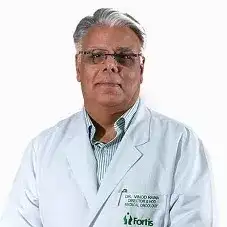 Dr. Vinod Raina Dr. Indraprastha Apollo Hospital Опыт 30 лет · ★ 4.9
-
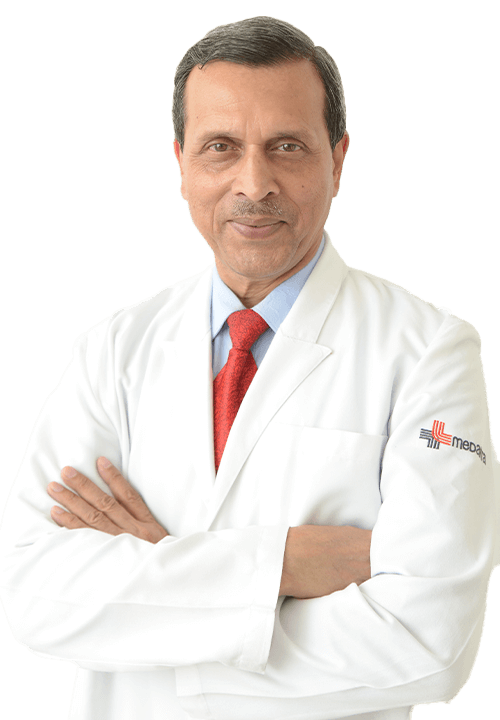 Dr. Arvind Kumar Dr. Medanta - The Medicity Опыт 35 лет · ★ 4.8
-
 Dr. S.K. Gupta Dr. Indraprastha Apollo Hospital Опыт 28 лет · ★ 4.7
-
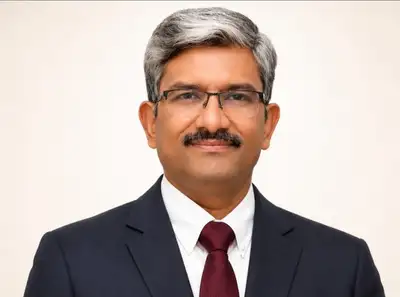 Dr. Aditya Gupta Dr. Artemis Hospital Опыт 22 лет · ★ 4.8
-
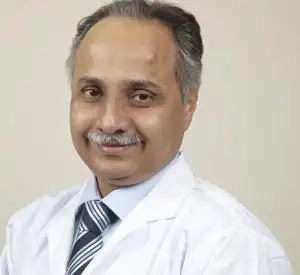 Dr. Harit Chaturvedi Dr. Max Super Speciality Hospital, Saket Опыт 25 лет · ★ 4.8
04 · Куда ехать
Направления для Трансплантация
| Трансплантация органов: India | 3 339 больниц | Гид по стране |
|---|---|---|
| Трансплантация органов: Germany | 2 144 больниц | Гид по стране |
| Трансплантация органов: Saudi Arabia | 55 больниц | Гид по стране |
| Трансплантация органов: Singapore | 53 больниц | Гид по стране |
| Трансплантация органов: Turkey | 3 больниц | Гид по стране |
| Трансплантация органов: South Korea | 2 больниц | Гид по стране |
| Трансплантация органов: Thailand | 2 больниц | Гид по стране |
| Трансплантация органов: United Arab Emirates | 2 больниц | Гид по стране |
| Трансплантация органов: Malaysia | 1 больниц | Гид по стране |
Результаты в цифрах
Что обычно наблюдают пациенты в лечении трансплантация
Средние показатели по 20 процедурам в этой специальности. Ваш куратор предоставит результаты, конкретные для вашей патологии и выбранного хирурга.
Клинические рекомендации
Рекомендации по лечению опираются на международный консенсус, где он существует, и на институциональный протокол специалиста там, где его нет. Источник указывается в каждом предложении.
Поднаправления
В рамках трансплантация органов
Liver transplant
Living-donor (most common at major Indian programs) and deceased-donor. India and Korea lead globally on living-donor volume.
Kidney transplant
Living-donor and deceased-donor. Compatibility matching plus modern desensitization expand donor pool.
Heart transplant
Always deceased-donor. Wait times vary by country; UNOS-equivalent allocation systems.
Lung transplant
Single or double lung; often complicated by chronic conditions.
Bone marrow transplant
Autologous, allogeneic, haploidentical, cord blood. Highly specialized programs.
Multi-organ transplant
Pancreas-kidney, heart-lung, liver-kidney. Specialized centers only.
Качество программы
На что обращать внимание
- 1-year and 5-year graft survival data published transparently.
- Annual case volume on your specific organ (200+ for kidney, 100+ for liver tells you it's a serious program).
- Dedicated transplant ICU and post-op floors.
- Multidisciplinary team: surgeons, hepatologists/nephrologists/cardiologists, infectious disease, transplant pathologist, transplant pharmacist.
- Donor evaluation infrastructure (4-6 week comprehensive workup, psychiatric clearance, independent legal counsel).
- Immunosuppression management protocols and home-center coordination.
- Long-term follow-up infrastructure including biopsy capability and rejection monitoring.
Пороги нагрузки
Ориентиры объёма операций хирурга
| 200+ transplants/year program-wide on specific organ | Top-tier; outcomes meet or exceed published gold-standard |
|---|---|
| 75–200/year | Strong; near-top-tier outcomes |
| 30–75/year | Moderate; acceptable for straightforward cases |
| Under 30/year | Lower volume; complications and outcomes more variable |
Направления
Где это чаще всего проводится
India
Highest-volume living-donor liver transplant globally. Top programs: Medanta-Liver Institute, ILBS, Apollo, Global, Aster, Manipal.
Turkey
Strong living-donor liver and kidney programs at Memorial and Acıbadem.
Germany
Premium destination for deceased-donor work and complex multi-organ. Charité, Hannover Medical School, Heidelberg.
Korea
Asan Medical Center is the world's largest liver transplant program.
Thailand
Established kidney transplant programs at Bumrungrad and Bangkok Hospital.
Путь пациента
Типичный процесс лечения
Pre-transplant workup
8-16 weeks: organ function staging, cardiac/pulmonary, cancer screening, dental, vaccinations, psychosocial.
Donor evaluation (if living-donor)
4-6 weeks: comprehensive donor medical workup, psychiatric clearance, legal counsel, cross-match.
Transplant + admission
7-21 day hospital stay typical depending on organ; ICU step-down 1-7 days; intensive monitoring of graft function and immunosuppression.
Post-discharge intensive monitoring
Daily/weekly labs and clinic visits for first 4-6 weeks; intensive immunosuppression titration.
Long-term care + handoff
Transition to home transplant center for ongoing care. Drug-level monitoring lifelong; rejection surveillance per protocol.
Вопросы
Что спросить у программы
- What's your 1-year and 5-year graft survival, broken out by donor type?
- What's your wait time, and how is the donor matching handled?
- What's the immunosuppression regimen, and how do drug levels transfer to my home center?
- What's the rejection rate at 1 year, and how is it monitored?
- What's the program's policy if I develop a complication after returning home?
Проверка решения
Подходит ли эта специальность для вашего случая?
- Is your underlying organ disease end-stage and worked up?
- Do you have a suitable potential donor (for living-donor pathways)?
- Are you and your potential donor psychologically and medically ready?
- Is your home transplant center willing to coordinate ongoing care?
- Can you commit to lifelong immunosuppression and lab monitoring?
05 · Часто задаваемые вопросы
Частые вопросы о Трансплантация органов за рубежом
How do I pick a hospital for Organ Transplant?
Start with three filters: annual case volume for the specific procedure (not the specialty as a whole), the surgeon's personal experience with your condition, and what the follow-up plan looks like for months 3–12 after you're back home. Hospital brand matters less than the specific team you'll be under.
What's the cost difference between countries for organ transplant?
Cost differences between destinations for organ transplant can run 3–10× depending on the procedure and the country. The gap is usually driven by surgeon/labor costs and facility overhead rather than technology or outcomes — many mid-cost destinations run the same equipment as premium markets.
Is a second opinion worth it before booking organ transplant?
For most elective procedures in organ transplant, yes. A multidisciplinary review often changes the treatment recommendation — sometimes away from surgery, sometimes toward a different approach. We coordinate free second opinions across our partner programs before any travel is booked.
How long should I plan to be abroad for organ transplant treatment?
Plan for the procedure + the first follow-up to happen before you fly back. Simple procedures can be a 1–2 week trip; complex surgery often needs 3–6 weeks. Your coordinator will give you a date-specific plan once your clinical details are in.
What happens if I have a complication after flying home?
A good program will have a clear follow-up pathway: direct messaging with the surgical team, imaging sharing, and — in the rare case of a serious complication — a pathway for return or for local handoff to a partner hospital. Ask about this specifically before booking; ambiguity here is the single biggest red flag.
Specialty depth
How to shortlist a credible трансплантация органов specialist
A board certification in трансплантация органов is the floor, not the ceiling. Senior practice in this field is sub-specialised — the right surgeon for your case is the one whose volume, fellowship, and audit data line up with the specific operation you need.
Sub-specialties to be aware of
Трансплантация органов typically branches into several sub-fields by anatomy, technique, or patient population. The right surgeon for your case is sub-specialty matched, not just board-certified in the general field.
How outcomes get measured
- Procedure-specific mortality / major-morbidity rate.
- Re-operation or re-admission rate within 30 / 90 days.
- Patient-reported outcome measures (PROMs) at standard intervals.
- Length of stay and discharge-to-home rate.
What a credible specialist looks like
- High annual procedure volume in your specific operation, not just the broader specialty.
- Subspecialty fellowship training — surgeon volume and case mix matter more than overall years in practice.
- Active multidisciplinary review for complex cases.
- Publicly reported outcomes (national registries, peer-reviewed publications).
Методология и редакционные стандарты
This трансплантация органов hub draws on 5,601 accredited hospitals running active трансплантация органов programs across 9 destinations.
- Данные о клиниках. Сведения о больницах составляются по открытым источникам и сайтам больниц. Аккредитация (JCI, NABH и др.) указывается там, где у нас есть подтверждающая запись. Всегда запрашивайте у больницы действующий сертификат.
- Квалификация врачей. Квалификация, специальность и биография берутся из профиля врача в больнице. Лицензия сверяется с реестром национального медицинского совета только там, где в профиле есть значок «Лицензия проверена» с датой.
- Цены. Диапазоны цен ориентировочные: они составлены из прайс-листов и пакетов больниц и показаны с датой последнего обновления. Оплачивается то, что указано в письменной смете больницы.
- Медицинские тексты. Написано редакцией Medcasts на основе опубликованных клинических источников. Если на странице не указан рецензент, врач её не проверял.
- Независимость. Клиники не могут заплатить за изменение своего места на наших страницах.
Трансплантация органов: лечение
Продолжить: трансплантация органов
Эта страница — лишь одна точка входа. Здесь можно искать по хирургу, стране, процедуре или заболеванию — как удобнее для вашего решения.
- Хирурги Все хирурги: трансплантация органов Каталог хирургов во всех странах.
- Клиники Клиники по направлению: трансплантация органов Программы по этой специальности в нашей сети.
- Каталог Все заболевания От заболевания к специальности и первому методу лечения.
- Каталог Все процедуры Срок восстановления и цены клиник по каждой процедуре.
- Каталог Страны для лечения Стоимость лечения, программы клиник и визовые гиды.
- Лучшие Лучшие программы: трансплантация органов Рейтинг по специальности и стране с описанием методики.
- Сравнение Сравнение клиник Аккредитации, койки и цены рядом.
- Сравнение Сравнение врачей Хирурги: опыт, стоимость приёма, языки.
- Инструмент Калькулятор стоимости Цены клиник по процедурам и странам.
- Инструмент Подбор за 3 вопроса Ответьте на три вопроса и получите подборку специальности, страны и клиник.
- Доверие Медицинский совет Врачи, которые проверяют наши медицинские материалы.
- Действие Бесплатное второе мнение Профильный врач бесплатно изучит ваши документы.
Следующий шаг · Трансплантация органов
Опишите случай. Получите шорт-лист по Трансплантация за 48 часов.
Три варианта. Выберите тот, что подходит вам сейчас.