Reverse Shoulder Replacement cost in Germany (2026)
Reverse Shoulder Replacement in Germany starts from $40,600. Based on 8 hospital price listings. Your quote will depend on the hospital and the care you need.
- 3 nights in hospital
- 49 days to full recovery
- 8 hospital prices
- 10 days visa processing
- 92% reported success rate
Prices are hospital price ranges from our database, not a final quote. How we check
Reverse Shoulder Replacement cost guide: what's included, what moves the price, red flags
Estimate your total cost
Choose your options. The price updates straight away.
The hospital estimate uses the typical range across 8 hospital prices.
Room and implant choices use rough adjustments (est.). Meals at about $15 per person per day. Flights not included.
Request 3 hospital quotesCost breakdown: what changes the price
Based on 8 hospital prices in Germany.
Best hospitals for Reverse Shoulder Replacement in Germany
How we rankRanked by accreditation, patient rating and review count, then price.
-
 1 Charité — Universitätsmedizin BerlinBerlin · ISO · ISO 9001 · ★ 4.6From$43,030from $43,030
-
 2 Klinikum rechts der Isar (TUM)Munich · ISO · ISO 9001 · ★ 4.6From$47,210from $47,210
-
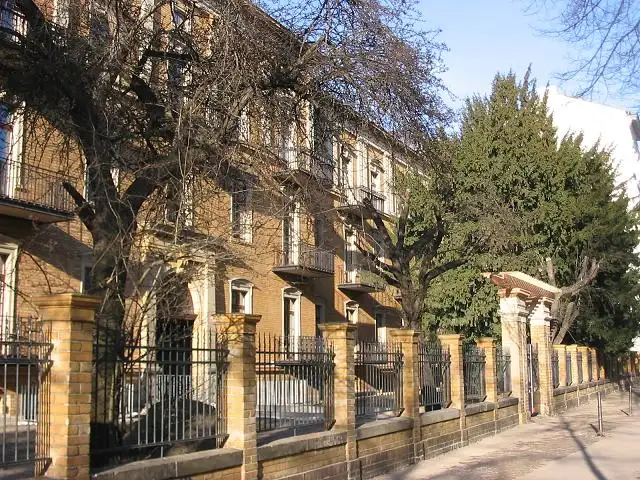 3
-
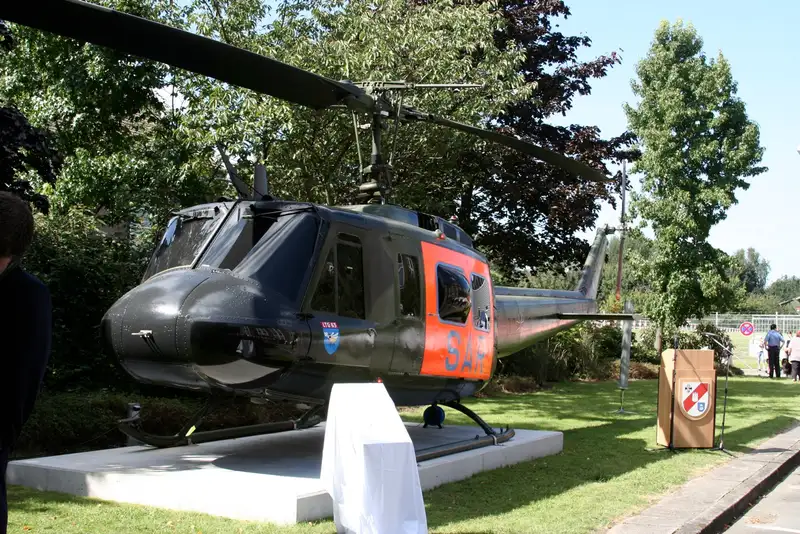 4 Bundeswehrkrankenhaus HamburgHamburg · ISO 9001From$40,740from $40,740
-
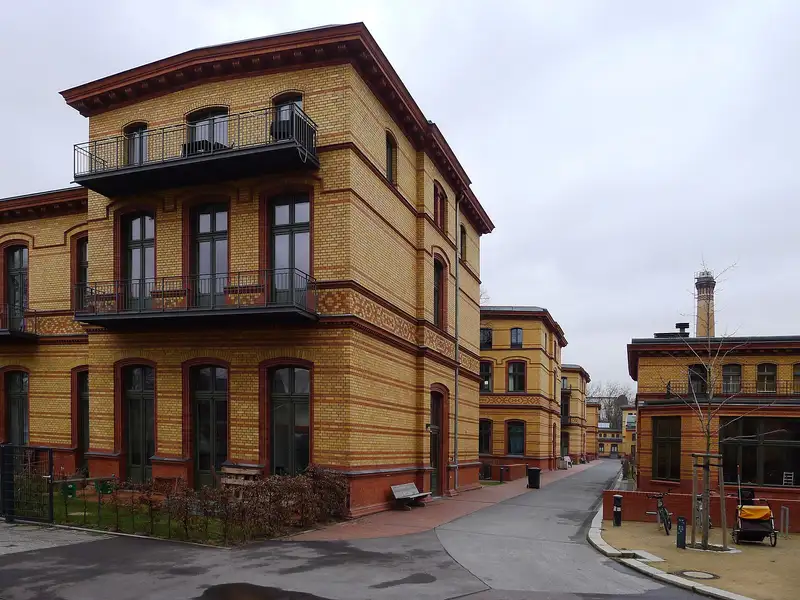 5
Get the Reverse Shoulder Replacement in Germany cost & planning report
A free PDF built from today's listed prices. Keep it, print it or send it to your family on WhatsApp.
What's inside
- Prices by country, city and hospital, compared with home
- All-in trip budget: treatment, stay, food, visa
- Day-by-day timeline and recovery milestones
- Visa summary, preparation checklist and questions to ask
- Treatment (typical listed price) 94% $58,100
- Accommodation 3% $1,900
- Food 2% $1,350
- Local transport 0% $250
- Visa fees 0% $200
- Estimated total$61,700
Source: medcasts.com · prices as of May 2026
✓ Your report is ready
Download PDF Send to my family on WhatsApp Ask a coordinator on WhatsApp → Get a personal quote instead →Get a free second opinion in 48 hours.
Send your scans and reports. A senior specialist reviews them and replies in writing.
Top Reverse Shoulder Replacement surgeons in Germany
Germany vs other countries
Typical hospital price per country, from 72 price records in the Medcasts database.
What a hospital quote usually includes
- Surgeon, anaesthesia and operating room
- About 3 nights in hospital, with nursing care
- Routine tests and medicines during the stay
- Free Medcasts coordinator, visa letter help and airport pickup arrangements
- Not included: flights and hotel after discharge
Every quote we send lists what is and isn't included, line by line.
Your recovery plan
- Days 1–3Sling, nerve block wearing off, and first physiotherapy for hand, elbow and gentle shoulder movement.
- Weeks 2–6Sling worn; passive movement only, with no lifting or pushing up from chairs with the arm.
- Weeks 6–12Sling stops and active movement and light strengthening begin.
- Months 3–6Strength builds and daily tasks improve; improvement may continue up to a year.
Medical visa for Germany
Germany issues a Schengen short-stay (Type C, up to 90 days) or long-stay (Type D, >90 days) Medical Treatment visa through its consulates. Most cases use Type C. Appointments at German consulates in busy source markets (Dubai, Delhi, Moscow) can be booked 4-8 weeks out — start the paperwork early. Family attendants apply separately with proof of relation.
- 1Choose your hospital from your quotes
- 2We help you get the hospital's invitation letter
- 3Apply with your passport, photo and the letter
- 4Fly. Your coordinator arranges airport pickup
Visa processing time by destination
We send the hospital invitation letter within 24 hours of your decision. Check your visa
What Reverse Shoulder Replacement patients say
Rotator cuff arthropathy left shoulder, conservative management exhausted. Reverse shoulder replacement was the right operation. Charité Berlin's shoulder program does 150+ reverses a year. Surgery 2 hours, hospital 3 days. Sling 6 weeks,…
About Reverse Shoulder Replacement
Reverse shoulder replacement swaps the usual ball and socket so the deltoid muscle can lift the arm when the rotator cuff no longer works. It is for adults with cuff-tear arthropathy, arthritis with cuff failure, or complex fractures.
A metal ball is fixed to the shoulder blade and a cup is placed on the top of the upper arm bone, reversing the normal anatomy. This lets the deltoid do the work the damaged cuff cannot. Surgery usually takes one to two hours under general anaesthesia, often combined with a nerve block, and the arm is rested in a sling afterwards.
Usually a good fit if
- Rotator cuff tear arthropathy or a massive cuff tear with pain and loss of lifting ability.
- Severe shoulder arthritis with a non-functioning rotator cuff.
- Complex proximal humerus fracture, usually in older adults.
- Previous shoulder replacement that failed, with a poor cuff.
May need to wait if
- Active infection in the shoulder or elsewhere in the body.
- A non-working deltoid muscle or nerve problem, which prevents the implant from working.
- Younger, very active patients, in whom implant longevity is a concern.
- Unrealistic expectations of lifting heavy loads overhead.
How to prepare
- Bring shoulder X-rays, CT or MRI; CT often helps plan the socket position.
- Ask your doctor about blood thinners, anti-inflammatories and steroids to review before surgery.
- Complete routine blood tests, ECG and an anaesthetic review, and treat any skin or dental infection first.
- Arrange help at home; you will manage with one arm in a sling for several weeks.
- Discuss when you may fly and how to manage a sling on a long journey.
Questions to ask your surgeon
- Is a reverse implant right for me, or would an anatomic replacement or repair be suitable?
- Which implant do you use, and how long has its record been followed?
- What movement and strength should I expect, and what will I still not be able to do?
- What are the risks of dislocation, infection and loosening?
- How long will I wear the sling, and when can I drive?
- What physiotherapy and X-ray review can be arranged back home?
Red flags when comparing hospitals
- Reverse replacement recommended without reviewing your scans.
- No details provided about the implant brand, size or implant record.
- Rehabilitation is not planned, or the team cannot explain sling and movement rules.
- The surgeon performs few shoulder replacements each year.
Questions about Reverse Shoulder Replacement in Germany
How much does Reverse Shoulder Replacement cost in Germany in 2026?
Prices start from $40,600, based on 8 hospital prices in Germany in our database. Your final price depends on the hospital, room type and implant; we send written quotes that list what is included.
Is Reverse Shoulder Replacement cheaper in Germany than in other countries?
Germany ranks 9 of 9 destinations we compare for this procedure. The lowest typical price is in India at about $14,348.
How long do I need to stay in Germany?
Most patients spend about 3 nights in hospital. Full recovery takes about 49 days; your surgeon will tell you when you are fit to fly home.
How long does a medical visa for Germany take?
Schengen Medical Treatment Visa (Type C or D): processing takes about 10 days and the visa is valid for 90 days. We help with the hospital invitation letter.
Will I be able to lift my arm overhead?
Most people regain useful lifting to or above shoulder height, but the range varies. Rotation behind the back and heavy lifting often remain limited.
How long does a reverse shoulder last?
Implants commonly last 10 to 15 years or more, though this depends on activity and individual factors. Your surgeon can tell you more about the specific implant.
Can the shoulder dislocate?
Dislocation is uncommon but possible, particularly in the early weeks. Following sling and movement rules reduces the risk.
When can I drive?
Usually after about six weeks, once you are out of the sling and can control the wheel safely. Your surgeon will confirm.