Pulmonary Valve Replacement cost in India (2026)
Pulmonary Valve Replacement in India starts from $9,250. Based on 8 hospital prices in our database. Your exact price depends on the hospital, room and implant.
- 7 nights in hospital
- 49 days to full recovery
- 8 hospital prices
- 4 days visa processing
- 94% reported success rate
Prices are hospital price ranges from our database, not a final quote. How we check
Pulmonary Valve Replacement cost guide: what's included, what moves the price, red flags
Estimate your total cost
Choose your options. The price updates straight away.
Hospital package = typical price range from 8 hospital prices.
Room and implant choices use rough adjustments (est.). Meals at about $15 per person per day. Flights not included.
Get 3 real quotes for this estimateCost breakdown: what changes the price
Based on 8 hospital prices in India.
Best hospitals for Pulmonary Valve Replacement in India
How we rankRanked by accreditation, patient rating and review count, then price.
-
 1 Indraprastha Apollo HospitalNew Delhi · ISO 9001 · JCI · NABH · ★ 4.9From$10,750from $10,750 2 doctors listed JCI accredited
-
 2 Medanta - The MedicityGurugram · ISO 9001 · JCI · NABH · ★ 4.7From$10,400from $10,400 3 doctors listed JCI accredited
-
 3 Artemis HospitalGurugram · ISO 9001 · JCI · NABH · ★ 4.5From$10,090from $10,090 2 doctors listed JCI accredited
-
 4 Max Super Speciality Hospital, SaketNew Delhi · ISO 9001 · JCI · NABH · ★ 4.3From$9,060from $9,060 2 doctors listed JCI accredited
-
 5 Amrita Hospital FaridabadFaridabad · ISO 9001 · JCI · NABH · ★ 4.4From$9,330from $9,330 1 doctor listed JCI accredited
Get the Pulmonary Valve Replacement in India cost & planning report
A free PDF built from today's listed prices. Keep it, print it or send it to your family on WhatsApp.
What's inside
- Prices by country, city and hospital, compared with home
- All-in trip budget: treatment, stay, food, visa
- Day-by-day timeline and recovery milestones
- Visa summary, preparation checklist and questions to ask
- Treatment (typical listed price) 88% $13,500
- Accommodation 6% $900
- Food 4% $550
- Local transport 1% $150
- Visa fees 1% $150
- Estimated total$15,300
Source: medcasts.com · prices as of May 2026
✓ Your report is ready
Download PDF Send to my family on WhatsApp Ask a coordinator on WhatsApp → Get a personal quote instead →Get a free second opinion in 48 hours.
Send your scans and reports. A senior specialist reviews them and replies in writing.
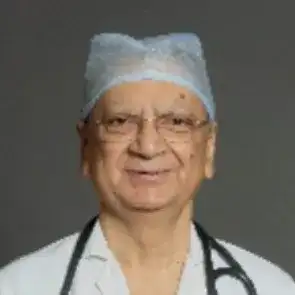
Top Pulmonary Valve Replacement surgeons in India


India vs other countries
Typical hospital price per country, from 72 price records in the Medcasts database.
What a hospital quote usually includes
- Surgeon, anaesthesia and operating room
- About 7 nights in hospital, with nursing care
- Routine tests and medicines during the stay
- Free Medcasts coordinator, visa letter help and airport pickup arrangements
- Not included: flights and hotel after discharge
Every quote we send lists what is and isn't included, line by line.
Your recovery plan
- Days 1–3Intensive care with monitoring, drains and pacing wires; you start gentle sitting and breathing exercises.
- Days 4–7Moving to the ward, walking short distances, pain controlled with tablets, drains removed.
- Weeks 2–6Breastbone healing: no heavy lifting or pushing, short daily walks, wound checks.
- Weeks 7–12Gradual return to normal activities and work once your cardiologist confirms.
Medical visa for India
India issues a dedicated Medical Visa for treatment abroad — apply online via the e-Medical portal or through an Indian consulate. Processing typically takes 3-5 working days for e-visa, longer for sticker visa. Two attendant visas (Medical Attendant Visa, M-X) can be issued for immediate family travelling with the patient.
- 1Choose your hospital from your quotes
- 2We help you get the hospital's invitation letter
- 3Apply with your passport, photo and the letter
- 4Fly. Your coordinator arranges airport pickup
Visa processing time by destination
We send the hospital invitation letter within 24 hours of your decision. Check your visa
About Pulmonary Valve Replacement
Pulmonary valve replacement is heart surgery to replace a leaking or narrowed valve between the right side of the heart and the lungs. It is most often needed by people who had a childhood heart repair.
The operation is done under general anaesthesia with a heart-lung machine. The surgeon removes the diseased valve or worn conduit and sews in a new one, usually a tissue (bioprosthetic) valve, and sometimes a donor homograft or a mechanical valve. In selected people with an earlier conduit, a valve can instead be placed through a catheter without reopening the chest.
Usually a good fit if
- Severe pulmonary regurgitation with a dilating or weakening right ventricle, often after earlier tetralogy repair.
- Significant pulmonary stenosis or a failing conduit with symptoms such as breathlessness or reduced exercise tolerance.
- Heart rhythm problems or right ventricle enlargement on MRI that your cardiologist links to the valve.
May need to wait if
- Active infection, including infective endocarditis, which usually needs treating first.
- Mild leakage without symptoms or ventricular changes, where watchful monitoring is often preferred.
- Severe lung disease or high pulmonary pressures that need specialist assessment before surgery.
How to prepare
- Bring all previous operation reports, echo reports, MRI scans and your congenital heart history.
- Expect an echocardiogram, cardiac MRI or CT, ECG and blood tests to assess right ventricle size and function.
- Have any dental problems treated beforehand, because infected teeth are a risk for a new valve.
- Review blood thinners and other heart medicines with your cardiologist; only change them on their instruction.
- Ask your surgeon when it is safe to fly home after the operation, and arrange a companion for the trip.
Questions to ask your surgeon
- Which valve type do you recommend for me, and how long might it last at my age?
- Is a catheter-delivered valve possible in my case, or is open surgery the better option?
- How many pulmonary valve operations in adults with congenital heart disease do you perform each year?
- Will you do any other repair at the same time, such as the tricuspid valve or an arrhythmia procedure?
- Which specialist can monitor my valve and rhythm at home, and what scans will they need?
- Will I need long-term anticoagulants or only antibiotics before dental work?
Red flags when comparing hospitals
- No congenital heart specialist or paediatric-trained team involved when your history includes earlier repairs.
- No cardiac MRI or detailed imaging of the right ventricle before recommending surgery.
- A single valve option offered with no discussion of tissue versus mechanical or catheter alternatives.
- No plan for long-term imaging follow-up of the valve.
Questions about Pulmonary Valve Replacement in India
How much does Pulmonary Valve Replacement cost in India in 2026?
Prices start from $9,250, based on 8 hospital prices in India in our database. Your final price depends on the hospital, room type and implant; we send written quotes that list what is included.
Is Pulmonary Valve Replacement cheaper in India than in other countries?
India ranks 1 of 9 destinations we compare for this procedure. The lowest typical price is in India at about $13,545.
How long do I need to stay in India?
Most patients spend about 7 nights in hospital. Full recovery takes about 49 days; your surgeon will tell you when you are fit to fly home.
How long does a medical visa for India take?
Medical Visa (e-Medical available): processing takes about 4 days and the visa is valid for 60 days. We help with the hospital invitation letter.
Will the new valve last for life?
Tissue valves wear out over years and may need replacing or a catheter valve later. Your age and valve type affect this, so ask your surgeon for an honest estimate for you.
Do I need blood thinners?
Mechanical valves need lifelong warfarin. Tissue valves usually need blood thinners only for a limited time, if at all. Your surgeon will specify what applies.
Can I fly home after surgery?
Most people can fly once the wound is healing, scans look fine and the surgeon agrees, often after two to three weeks. Always get written clearance first.