Pediatric BMT (Thalassemia / Sickle Cell) cost in Turkey (2026)
Pediatric BMT (Thalassemia / Sickle Cell) in Turkey costs $46,700 to $77,200. That is the range across 4 hospital prices in our database; the typical price is $62,100. Your exact price depends on the hospital, room and implant.
- 42 nights in hospital
- 180 days to full recovery
- 4 hospital prices
- 3 days visa processing
- 85% reported success rate
Reviewed by MedCasts editorial desk · May 5, 2026
Prices are hospital price ranges from our database, not a final quote. How we check
Estimate your total cost
Choose your options. The price updates straight away.
Hospital package = typical price range from 4 hospital prices.
Room and implant choices use rough adjustments (est.). Meals at about $15 per person per day. Flights not included.
Get 3 real quotes for this estimateCost breakdown: what changes the price
Based on 4 hospital prices in Turkey.
Best hospitals for Pediatric BMT (Thalassemia / Sickle Cell) in Turkey
How we rankRanked by accreditation, patient rating and review count, then price.
-
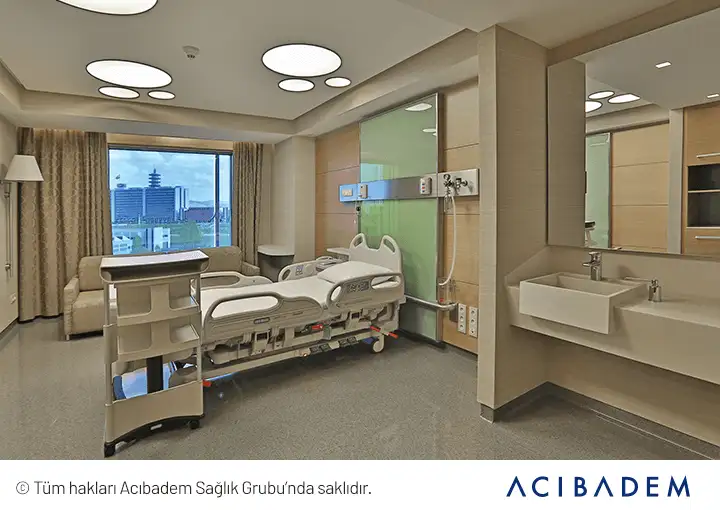 1 Social Security Children's HospitalAnkara · ISO 9001From$46,337$46,337 – $77,839
 -
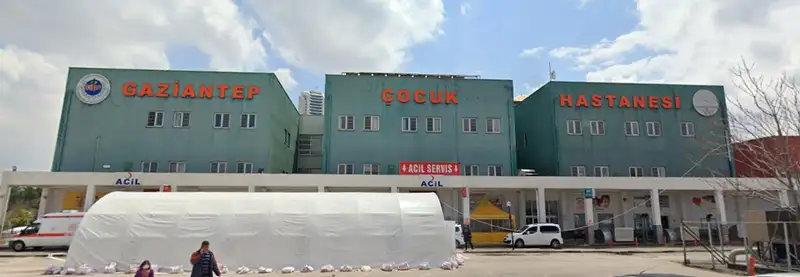 2 Gaziantep Children's HospitalGaziantep · ISO 9001From$47,441$47,441 – $71,598
 -
 3 Hacettepe University Children's HospitalAltındağ · ISO 9001 · USHAŞFrom$48,456$48,456 – $75,652
 -
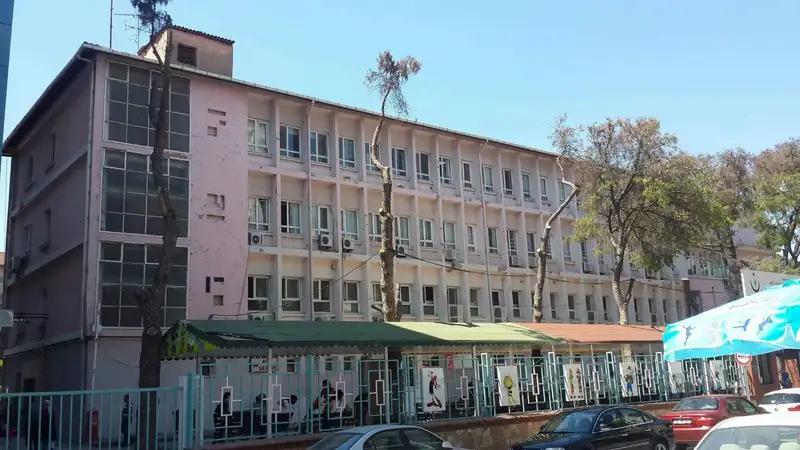 4 Dr. Behçet Uz Children's HospitalKonak · ISO 9001From$51,968$51,968 – $75,405 1 doctor listed
Get a free second opinion in 48 hours.
Send your scans and reports. A senior specialist reviews them and replies in writing.
Turkey vs other countries
Typical hospital price per country, from 40 price records in the Medcasts database.
What a hospital quote usually includes
- Surgeon, anaesthesia and operating room
- About 42 nights in hospital, with nursing care
- Routine tests and medicines during the stay
- Free Medcasts coordinator, visa letter help and airport pickup arrangements
- Not included: flights and hotel after discharge
Every quote we send lists what is and isn't included, line by line.
Your recovery plan
- Day 0–Day 42Inpatient + immediate post-op phase: 42-day average stay, intensive monitoring + early mobilisation.
- Day 43–Day 14Discharge + early recovery — drain or suture removal, home recovery setup, local follow-up scheduled.
- Week 3–Week 6Structured rehab + return to daily activities; light work-from-home is typical from week 4.
- Week 7–Week 12Progressive return to most pre-procedure activity and exercise per surgeon's protocol.
- Month 4 onwardLong-term recovery and full activity by ~180 days; structured surveillance per condition.
Medical visa for Turkey
Most nationalities eligible for Turkey's standard e-Visa (90 days, multiple entry) can use it for medical travel without needing a dedicated medical category. For longer stays or when the hospital is USHAŞ-partnered (the government medical-tourism facilitator), a Medical Visa with hospital invitation letter is processed through USHAŞ in 2-3 working days.
- 1Choose your hospital from your quotes
- 2We help you get the hospital's invitation letter
- 3Apply with your passport, photo and the letter
- 4Fly. Your coordinator arranges airport pickup
Visa processing time by destination
We send the hospital invitation letter within 24 hours of your decision. Check your visa
About Pediatric BMT (Thalassemia / Sickle Cell)
Turkey: Acıbadem, Memorial paediatric units — strong cardiac + general paediatric surgery.
Pediatric BMT (Thalassemia / Sickle Cell) is a open or hybrid pediatric surgery procedure performed across our partner network at international price points ($32k–$294k). Cost varies by destination, surgeon volume, and inclusions. The decision to operate isn't taken on imaging alone — every program we coordinate with insists on a documented multidisciplinary discussion before scheduling.
Pediatric BMT (Thalassemia / Sickle Cell) typically requires general anaesthesia, a 42-day inpatient stay, and a 180-day recovery to normal daily activity. Reported technical-success rate at high-volume centres is around 85%.,Outcomes are far more sensitive to surgeon and program volume than to the specific implant brand, technique label, or country — the published outcome literature consistently shows that volume + perioperative pathway outweigh marketing differentiators.,Pricing varies by destination ($32k–$294k across our partner network), inclusions, and surgeon seniority. Always insist on a written, line-item quote with the implant brand, drug regimen, and complication-coverage policy explicitly listed.
Usually a good fit if
- Documented indication from your treating physician with imaging and clinical evidence within 90 days.
- Medically optimised: comorbidities (diabetes, hypertension, anaemia) under reasonable control.
- Stable enough to fly safely — most programs require a basic fitness-to-travel assessment.
- Realistic expectations on outcome, recovery time, and the cadence of follow-up at home.
May need to wait if
- Active uncontrolled infection — needs to be cleared before any elective surgical date.
- Severe comorbidity (advanced heart failure, end-stage organ failure, brittle diabetes) without optimisation.
- Inadequate workup — proceeding without recent imaging or labs adds avoidable risk.
How to prepare
- Stop smoking at least 4 weeks before surgery — wound and anastomotic outcomes both improve.
- Optimise blood sugar (HbA1c <8 ideally) if diabetic.
- Manage anticoagulation with prescribing physician — most need bridging or pause protocols.
- Arrange chest physiotherapy and incentive spirometer training before travel.
- Pack loose, button-front clothing — overhead garments are uncomfortable for several weeks.
Questions to ask your surgeon
- How many of these procedures do you personally perform a year, and what's your team's annual volume?
- What's your 30-day complication rate and how does it benchmark against published international data?
- Which equipment / implant / drug regimen are you planning to use, and why for my specific case?
- What's your conversion-to-open or revision-surgery rate, and what triggers it?
- Who manages me if I deteriorate post-op — is there a sub-specialist intensivist on call 24/7?
- What does your post-discharge handover look like — written report, image CD, drug list, follow-up timeline?
Red flags when comparing hospitals
- Surgery scheduled without paediatric anaesthetist clearance.
- Refusal to share centre's paediatric-specific volume + outcomes.
- Lack of dedicated paediatric ICU at the operating centre.
- Compressed length-of-stay that doesn't account for paediatric recovery patterns.
Questions about Pediatric BMT (Thalassemia / Sickle Cell) in Turkey
How much does Pediatric BMT (Thalassemia / Sickle Cell) cost in Turkey in 2026?
Between $46,700 and $77,200 at most hospitals, with a typical price of $62,100. This is based on 4 hospital prices in Turkey in our database. Your final price depends on the hospital, room type and implant; we send written quotes that list what is included.
Is Pediatric BMT (Thalassemia / Sickle Cell) cheaper in Turkey than in other countries?
Turkey ranks 2 of 6 destinations we compare for this procedure. The lowest typical price is in India at about $45,164.
How long do I need to stay in Turkey?
Most patients spend about 42 nights in hospital. Full recovery takes about 180 days; your surgeon will tell you when you are fit to fly home.
How long does a medical visa for Turkey take?
e-Visa or Medical Visa (USHAŞ-facilitated): processing takes about 3 days and the visa is valid for 90 days. We help with the hospital invitation letter.
How long does recovery take after Pediatric BMT (Thalassemia / Sickle Cell)?
Recovery is measured in months rather than weeks — roughly 180 days before baseline function returns, with a gradual ramp to full activity after that.
How many nights in the hospital after Pediatric BMT (Thalassemia / Sickle Cell)?
Expect around 42 nights in the hospital. This is long enough that a family member or companion travelling with you makes a real difference.
What's the success rate for Pediatric BMT (Thalassemia / Sickle Cell)?
Experienced centers typically report around 85%. Surgeon volume is the biggest predictor of outcomes — centers doing hundreds of these per year tend to outperform lower-volume ones even when the headline numbers look similar.
What does the international patient process look like?
International patients usually get a dedicated coordinator who handles the pre-travel documentation (visa invitation letter, medical records review, initial quote), airport pickup, hospital admission, and post-discharge follow-up. The level of polish varies by hospital — ask for a step-by-step of what's included before you commit.
Can I get a second opinion before committing?
Yes — a second opinion before flying is usually worthwhile, especially for oncology, neurosurgery, and complex orthopedic cases where the treatment plan itself may need to be reconsidered. We coordinate free second opinions across our partner programs.
How long do I need to stay in-country?
Plan for ~87 days in-country: 42 days inpatient + the early recovery and follow-up window before fly-home clearance.