Cervical Cone Biopsy / Conisation cost in South Korea (2026)
Cervical Cone Biopsy / Conisation in South Korea starts from $2,000. Based on 8 hospital prices in our database. Your exact price depends on the hospital, room and implant.
- 14 days to full recovery
- 8 hospital prices
- 5 days visa processing
- 95% reported success rate
Prices are hospital price ranges from our database, not a final quote. How we check
Cervical Cone Biopsy / Conisation cost guide: what's included, what moves the price, red flags
Estimate your total cost
Choose your options. The price updates straight away.
Hospital package = typical price range from 8 hospital prices.
Room and implant choices use rough adjustments (est.). Meals at about $15 per person per day. Flights not included.
Get 3 real quotes for this estimateCost breakdown: what changes the price
Based on 8 hospital prices in South Korea.
Best hospitals for Cervical Cone Biopsy / Conisation in South Korea
How we rankRanked by accreditation, patient rating and review count, then price.
-
 1 Asan Medical CenterSeoul · ISO 9001 · JCI · KOIHA · ★ 4.8From$2,130from $2,130 21 doctors listed JCI accredited
-
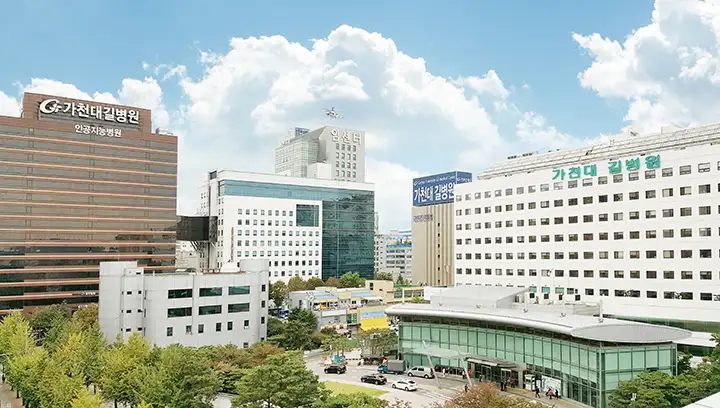 2 Gachon University Gil HospitalIncheonFrom$1,960from $1,960 12 doctors listed
-
 3
-
 4
-
 5
Get the Cervical Cone Biopsy / Conisation in South Korea cost & planning report
A free PDF built from today's listed prices. Keep it, print it or send it to your family on WhatsApp.
What's inside
- Prices by country, city and hospital, compared with home
- All-in trip budget: treatment, stay, food, visa
- Day-by-day timeline and recovery milestones
- Visa summary, preparation checklist and questions to ask
- Treatment (typical listed price) 62% $3,700
- Accommodation 20% $1,200
- Food 13% $800
- Local transport 3% $150
- Visa fees 2% $100
- Estimated total$6,000
Source: medcasts.com · prices as of May 2026
✓ Your report is ready
Download PDF Send to my family on WhatsApp Ask a coordinator on WhatsApp → Get a personal quote instead →Get a free second opinion in 48 hours.
Send your scans and reports. A senior specialist reviews them and replies in writing.
South Korea vs other countries
Typical hospital price per country, from 72 price records in the Medcasts database.
What a hospital quote usually includes
- Surgeon, anaesthesia and operating room
- Your hospital stay and nursing care
- Routine tests and medicines during the stay
- Free Medcasts coordinator, visa letter help and airport pickup arrangements
- Not included: flights and hotel after discharge
Every quote we send lists what is and isn't included, line by line.
Your recovery plan
- Days 1–3Mild cramps and light bleeding or brown discharge; use pads and rest.
- Weeks 1–2Discharge continues, avoid tampons, intercourse, swimming and heavy lifting.
- Weeks 3–4A heavier bleed can appear when the scab separates around day 7 to 14, then eases.
- Weeks 4–6The cervix heals; intercourse resumes after the surgeon's clearance.
Medical visa for South Korea
South Korea issues the C-3-3 Medical Treatment visa — 90 days, single or multiple entry, issued through Korean consulates or via designated medical-tourism facilitators (KTO-certified agencies). For oncology or complex surgery requiring >90 days, the G-1-10 category offers longer stays. One family attendant visa (C-3-3-1) per patient is standard.
- 1Choose your hospital from your quotes
- 2We help you get the hospital's invitation letter
- 3Apply with your passport, photo and the letter
- 4Fly. Your coordinator arranges airport pickup
Visa processing time by destination
We send the hospital invitation letter within 24 hours of your decision. Check your visa
About Cervical Cone Biopsy / Conisation
Cervical conisation removes a cone-shaped piece of tissue from the cervix. It is used to treat precancerous changes found on a smear or biopsy, and to examine tissue when cancer is suspected.
The cone can be removed with a surgical knife (cold knife), a laser or a heated loop. Cold knife and laser conisation are usually done under general or regional anaesthesia, while loop excision can be done under local. The tissue is sent to a pathologist, who checks the edges to see if all the abnormal cells were removed.
Usually a good fit if
- High-grade cervical changes (CIN 2 or 3) on biopsy that need treatment.
- An abnormal smear where colposcopy cannot see the full extent of the lesion, so a larger sample is needed.
- Suspected early microinvasive cancer, or a discrepancy between the smear and the biopsy.
- Glandular cell abnormalities (such as adenocarcinoma in situ) that need careful removal and assessment.
May need to wait if
- Pregnancy, when conisation is usually avoided except where cancer is suspected.
- An active pelvic or vaginal infection, which should be treated first.
- Invasive cancer on biopsy, which needs a full cancer plan rather than a cone alone.
- A cervix so short that further tissue removal could compromise future pregnancies, requiring careful counselling.
How to prepare
- Bring your smear, HPV, colposcopy and biopsy reports, as the surgeon plans the cone depth from these.
- Take a pregnancy test as advised and tell the team if you might be pregnant, and avoid intercourse or tampons if told to.
- Ask your doctor about blood thinners and aspirin, and follow only the instructions you are given.
- If general anaesthesia is planned, fast as instructed; for local anaesthesia, eat normally unless told otherwise.
- Bring sanitary pads rather than tampons, and arrange comfortable travel home.
Questions to ask your surgeon
- Which technique do you recommend for me (loop, laser or cold knife), and why?
- How deep will the cone be, and how might it affect future pregnancies?
- What will the pathology report tell us about the margins?
- How many cone procedures do you do each year?
- What follow-up smears and HPV tests will I need, and when?
- What bleeding or discharge is normal, and when should I seek help?
Red flags when comparing hospitals
- Conisation done without colposcopy or a recent biopsy to guide it.
- No discussion of the possible effect on future pregnancy or of the risk of bleeding.
- Treatment offered without a clear pathology plan for the removed tissue.
- No schedule for follow-up smears and HPV testing.
Questions about Cervical Cone Biopsy / Conisation in South Korea
How much does Cervical Cone Biopsy / Conisation cost in South Korea in 2026?
Prices start from $2,000, based on 8 hospital prices in South Korea in our database. Your final price depends on the hospital, room type and implant; we send written quotes that list what is included.
Is Cervical Cone Biopsy / Conisation cheaper in South Korea than in other countries?
South Korea ranks 5 of 9 destinations we compare for this procedure. The lowest typical price is in India at about $2,175.
How long does a medical visa for South Korea take?
C-3-3 Medical Treatment Visa: processing takes about 5 days and the visa is valid for 90 days. We help with the hospital invitation letter.
Will conisation affect my fertility?
Most women can still conceive. A deeper or repeated cone slightly raises the risk of preterm birth, so your doctor will limit the depth where possible.
Is bleeding after the procedure normal?
Light bleeding and discharge for 2 to 4 weeks is normal. Heavy bleeding, large clots, fever or foul-smelling discharge need urgent attention.
Will I need more treatment?
If the margins are clear, you usually only need follow-up tests. If they are not, further treatment may be considered.
When can I have sex?
Usually after about 4 weeks, once bleeding has stopped and your doctor confirms healing.