2026 ranking
Best hospitals for iStent Trabecular Bypass in 🇹🇷 Turkey
8 hospitals from the Medcasts database, ordered by centre-of-excellence status, patient rating and review count. Use it as a shortlist, not a verdict.
Methodology: how we rank · pricing
- Hospitals ranked
- 8Hospitals ranked
- Average rating
- 4.5Average rating
-
 01 Gold Acıbadem Maslak Hospital
Why #1: Top patient-rated in this country (4.6/5 across 310 reviews)
Flagship hospital of the Acıbadem Healthcare Group in Istanbul — JCI-accredited with centres of excellence in cardiology, oncology, and robotic surgery. Founded in 2011, the hospital sits in Istanbul, Turkey. Clinical fo…
★ 4.6 · 310 reviews 235 beds Est. 2011From$5,240all-in · case-specific -
 02 Silver Memorial Şişli Hospital
Why #2: Verified accreditation, transparent pricing, dedicated international patient desk
First JCI-accredited hospital in Turkey. Known for bone marrow transplantation, IVF, and advanced orthopaedic surgery. Founded in 2000, the hospital sits in Istanbul, Turkey. Clinical focus spans cardiac surgery, neurolo…
★ 4.5 · 285 reviews 200 beds Est. 2000From$5,090all-in · case-specific -
 03 Bronze Karataş Jewish Hospital
Why #3: Established 1827 — long institutional track record
Karataş Jewish Hospital sits in İzmir's healthcare corridor. Patients on the international desk tend to travel in from the UK and beyond. It opened in 1827. Departments include cardiac surgery, orthopedics, and oncology …
Est. 1827From$4,430all-in · case-specific -
 04 Balıkesir University Faculty of Medicine
Why #4: Verified accreditation, transparent pricing, dedicated international patient desk
Based in Balıkesir, Balıkesir University Faculty of Medicine is a hospital working across 10 clinical specialties. It opened in 2009. Core clinical activity runs through cardiac surgery, orthopedics, and oncology. ISO 90…
Est. 2009From$4,590all-in · case-specific -
 05 Selçuk University Faculty of Medicine
Why #5: Established 1984 — long institutional track record
Selçuk University Faculty of Medicine runs from Konya, Turkey. Patients travel here primarily for cardiac surgery. It opened in 1984. On the clinical side, the hospital covers cardiac surgery, orthopedics, and oncology a…
Est. 1984From$4,760all-in · case-specific -
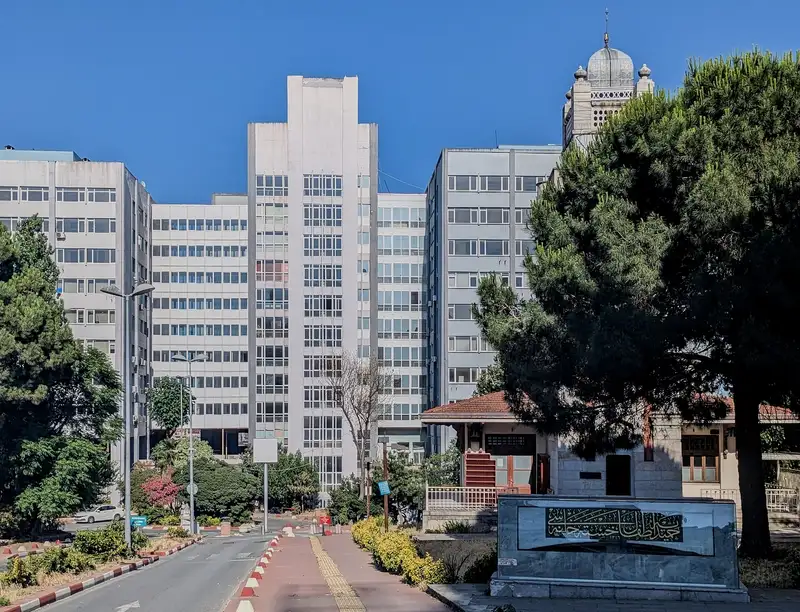 06 Şişli Etfal Eğitim ve Araştırma Hastanesi
Why #6: Verified accreditation, transparent pricing, dedicated international patient desk
Şişli Etfal Eğitim ve Araştırma Hastanesi — a Istanbul hospital with cardiac surgery among its busier departments. The clinical footprint includes cardiac surgery, orthopedics, and oncology. Third-party accreditation com…
From$4,910all-in · case-specific -
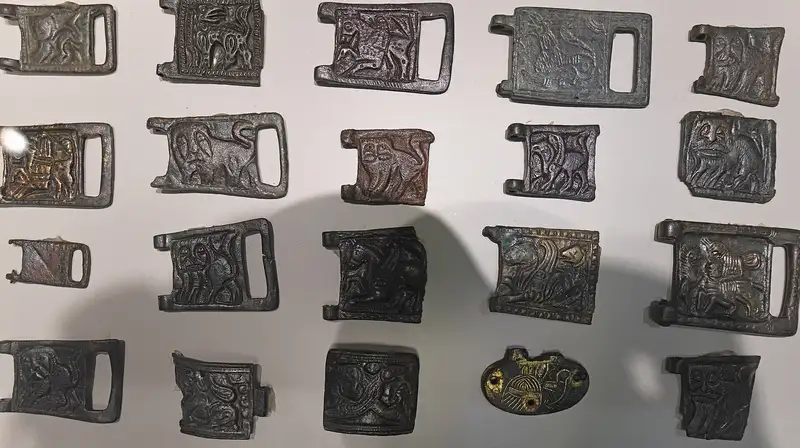 07 COMU Hospital
Why #7: Verified accreditation, transparent pricing, dedicated international patient desk
The ÇOMÜ Hospital (more commonly referred to as Çanakkale University Hospital) is the biggest research and teaching hospital in the Western Marmara region of Turkey. It serves the area of north Aegean and South-West Marm…
Est. 2007From$5,050all-in · case-specific -
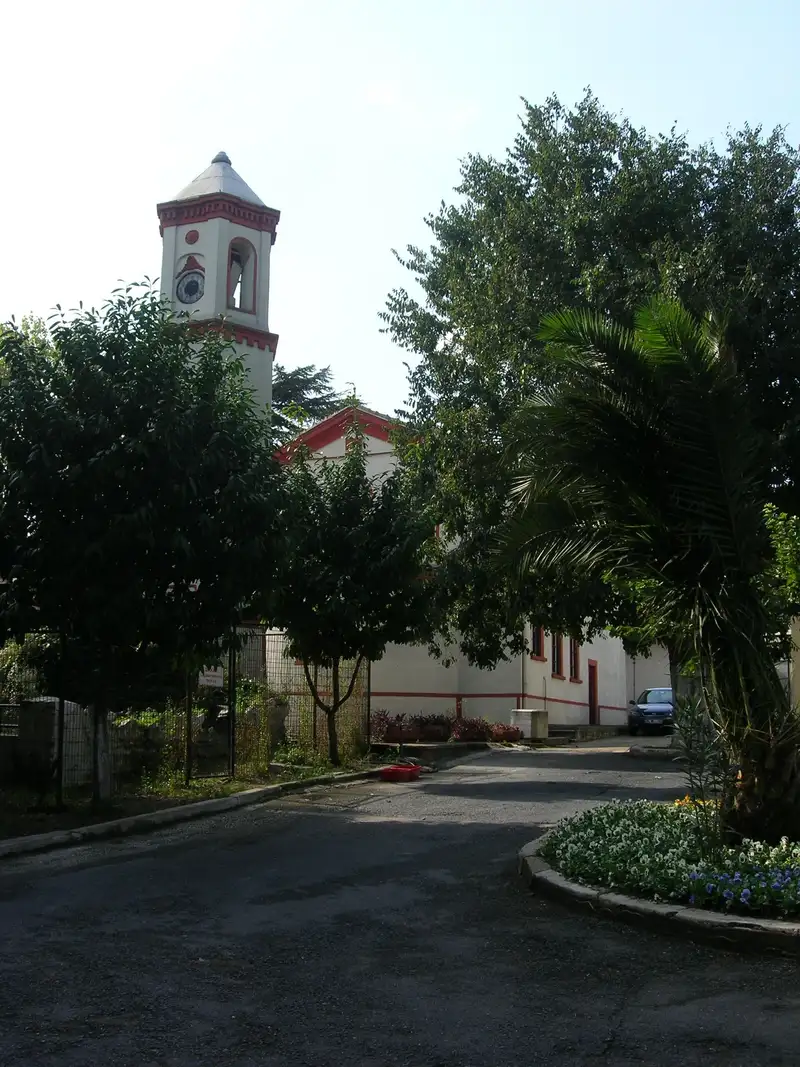 08 Balıklı Greek Hospital
Why #8: Established 1753 — long institutional track record
The Balıklı Greek Hospital (Greek: Ελληνικό Νοσοκομείο του Βαλουκλή, Turkish: Balıklı Rum Hastanesi) is a health care institution at the Balıklı neighborhood of the Kazlıçeşme quarter in Zeytinburnu district of Istanbul,…
Est. 1753From$5,200all-in · case-specific
How this list is ordered
What decides the order
Hospitals are sorted by these database fields, in this order. Nothing else is weighted.
We do not score outcomes, surgeon case volume or publications. Ask each hospital for surgeon-level case numbers before you decide.
- 1Centre-of-excellence flag
Hospitals marked as a centre of excellence for this specialty come first.
- 2Patient rating
A higher average rating ranks higher.
- 3Number of reviews
Breaks ties between hospitals with the same rating.
- 4Lowest listed price
For a single procedure, a lower listed starting price breaks any remaining tie.
What this list isn't
Rating ≠ outcome
A hospital ranking is a qualifying filter, not a prediction of your outcome. Within any listed hospital, your outcome is shaped by your specific surgeon's volume, the program's protocol for your indication, and your own clinical baseline. Always ask for surgeon-level data — case volume per year, conversion rate, infection rate — before committing.
Next step · iStent Trabecular Bypass
Ready when you are.
Three ways forward. Pick the one that fits where you are right now.
Destination · Turkey
Why patients choose Turkey for istent trabecular bypass (ophthalmology)
Turkey has built one of Europe's most modern hospital infrastructures over the last 15 years — chiefly through the JCI-accredited private chains in Istanbul, Ankara, Antalya, and Izmir. Surgeons trained in Germany, the US, or the UK return to Turkey because they can run higher case volumes than in their training countries, often through dual-affiliated programs with Acibadem, Memorial, Medicana, Liv, and Anadolu (a Johns Hopkins partner). For istent trabecular bypass, Turkey is favoured by European patients facing 12-18 month waits at home and Gulf patients who want a Mediterranean recovery setting without the GCC price tag.
- 01
JCI density — Turkey has 30+ JCI-accredited hospitals, the highest count outside the US among medical-tourism destinations.
- 02
Surgeon-to-patient ratios in private Turkish hospitals are intentionally low; you typically meet your operating surgeon at consultation, not a junior on rotation.
- 03
Direct flights from London, Frankfurt, Dubai, Riyadh, Doha, Moscow, Kyiv, Tbilisi, Cairo, and Lagos make Istanbul a 3-5 hour transit for most catchment markets.
- 04
Ministry-of-Health-regulated pricing transparency means hospitals must publish package rates — your quote is enforceable, not a marketing teaser.
Cost note. Lira depreciation has compressed dollar pricing for foreign patients while Turkish clinical labour rates remain fixed in lira; the savings vs Western Europe routinely sit at 50-70%.
How to use this list
What to look for
- Same-day screening + surgery is a flag (rigorous screening takes its time).
- Pre-op corneal topography and pachymetry as standard.
- Dry-eye assessment and treatment infrastructure.
- Itemized pricing with laser brand and IOL brand specified.
- Enhancement policy (most practices need 3-10% enhancement rate at 12 months).
- Modern equipment (femtosecond laser + excimer for refractive; phacoemulsification with multifocal IOL options for cataract).
- Sub-specialty match for non-routine cases.
Volume benchmarks
Surgeon volume benchmarks
Travel timing
When to travel to Turkey
Peak window: April, May, June, September, October
Avoid: July, August
Best travel windows are spring (April–June) and fall (September–October). Istanbul winter is cool and rainy; comfortable for recovery if not snow-loving. Summer (July–August) is very hot in coastal areas and Istanbul can be uncomfortable. Antalya summer is brutal for non-acclimatized travelers.
Questions
What to ask each program on this list
- 01
Am I a candidate based on corneal thickness and topography?
- 02
What's your enhancement rate (need for retreatment in 12 months)?
- 03
What technology are you using (femtosecond laser brand, IOL family) and why?
- 04
What's the dry-eye incidence in your patient series, and how is it managed?
- 05
Who handles follow-up if vision isn't where we want it at 3 months?
Adjacent rankings
Other ways to slice iStent Trabecular Bypass in Turkey
Best-of lists are one cut. These hubs let you re-rank by destination, by city, by surgeon volume, or by procedure.
- Procedure iStent Trabecular Bypass overview All istent trabecular bypass programs across all destinations.
- Procedure cost iStent Trabecular Bypass cost in Turkey Hospital-reported pricing, stay, recovery for Turkey programs.
- Destination Turkey hospital hub Featured programs and pricing benchmarks for Turkey.
- Surgeons Ophthalmology surgeons Volume-ranked physician directory across all destinations.
- Surgeons Ophthalmology surgeons in Turkey Filtered to Turkey-based programs only.
- Hospitals All Turkey hospitals Filter by city, specialty, accreditation, beds.
- Hospitals Hospitals filtered by Ophthalmology Programs credentialed for ophthalmology across all destinations.
- Browse Other best-of rankings All specialty × country ranking combinations.
- Compare Hospital comparison Side-by-side accreditations, ratings, beds, and pricing for up to 4 hospitals.
- Compare Doctor comparison Surgeons compared on volume, fees, languages, video-consult availability.
- Tool Cost calculator Hospital-reported pricing for ophthalmology procedures across destinations.
- Tool Match-me triage Three questions, get a specialty + destination + 3-hospital shortlist.
- Trust Editorial policy Methodology behind ranking, AI disclosure, corrections SLA.