Bei ya URS (Ureteroscopy + Stone Removal) nje ya nchi (2026)
URS (Ureteroscopy + Stone Removal) inagharimu kuanzia takriban $2,750 nchini India hadi $11,800 nchini Germany. Bei za kawaida za hospitali kutoka rekodi 72 za bei katika nchi 9. Chagua nchi ili kuona hospitali zake, madaktari na hatua za visa.
- Usiku 1 hospitalini
- Siku 7 kupona kabisa
- 9 nchi zilizolinganishwa
- 95% kiwango cha mafanikio kilichoripotiwa
Imekaguliwa na MedCasts editorial desk · 5 Mei 2026
Bei hizi ni viwango vya bei za hospitali kutoka hifadhidata yetu, si bei ya mwisho. Jinsi tunavyothibitisha
Kadiria gharama yako yote
Chagua machaguo yako. Bei itabadilika papo hapo.
Kifurushi cha hospitali = kiwango cha bei ya kawaida kutoka bei za hospitali 8.
Machaguo ya chumba na kifaa (implant) yanatumia makadirio ya jumla (kad.). Chakula ni takriban $15 kwa mtu kwa siku. Nauli za ndege hazijajumuishwa.
Pata bei halisi 3 kwa makadirio hayaHospitali bora za URS (Ureteroscopy + Stone Removal) kwa nchi
Jinsi tunavyopanga orodhaZimepangwa kwa uthibitisho, ukadiriaji wa wagonjwa na idadi ya maoni, kisha bei.
-
 1 Indraprastha Apollo HospitalNew Delhi · India · ISO 9001 · JCI · NABH · ★ 4.9Kuanzia$1,650$1,650 – $3,660 Madaktari 2 wameorodheshwa Imethibitishwa na JCI
 -
 2 Bumrungrad InternationalBangkok · Thailand · HA · ISO 9001 · JCI · ★ 4.8Kuanzia$2,260$2,260 – $5,020 Imethibitishwa na JCI
 -
 3 Asan Medical CenterSeoul · South Korea · ISO 9001 · JCI · KOIHA · ★ 4.8Kuanzia$3,060$3,060 – $6,800 Madaktari 21 wameorodheshwa Imethibitishwa na JCI
 -
 4 Cleveland Clinic Abu DhabiAbu Dhabi · United Arab Emirates · DHA · DOH · JCI · ★ 4.7Kuanzia$4,010$4,010 – $8,910 Imethibitishwa na JCI
 -
 5 Mount Elizabeth HospitalSingapore · Singapore · ISO 9001 · JCI · ★ 4.7Kuanzia$4,580$4,580 – $10,170 Imethibitishwa na JCI
 -
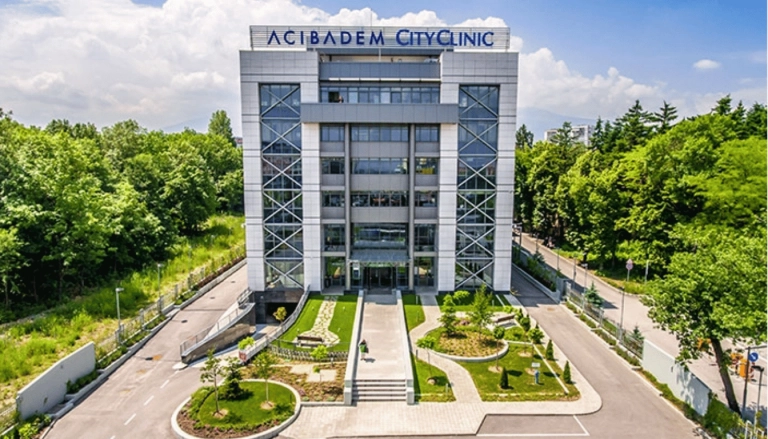 6 Acıbadem Maslak HospitalIstanbul · Turkey · ISO 9001 · JCI · ★ 4.6Kuanzia$2,640$2,640 – $5,870 Imethibitishwa na JCI
Pata maoni ya pili bila malipo ndani ya saa 48.
Tuma picha za vipimo (scans) na taarifa zako. Mtaalamu mwandamizi atazipitia na kujibu kwa maandishi.
Madaktari bora wa upasuaji wa URS (Ureteroscopy + Stone Removal)
Bei za URS (Ureteroscopy + Stone Removal) kwa nchi
Bei ya kawaida ya hospitali kwa kila nchi, kutoka rekodi 72 za bei katika hifadhidata ya Medcasts.
Kawaida bei ya hospitali inajumuisha nini
- Daktari wa upasuaji, ganzi na chumba cha upasuaji
- Takriban usiku 1 hospitalini, ukiwa na huduma za wauguzi
- Vipimo vya kawaida na dawa wakati wa kukaa hospitalini
- Msaidizi wa Medcasts bila malipo, msaada wa barua ya visa na mipango ya kuchukuliwa uwanja wa ndege
- Havijajumuishwa: nauli za ndege na hoteli baada ya kutoka hospitalini
Kila bei tunayotuma inaonyesha kilichojumuishwa na kisichojumuishwa, mstari kwa mstari.
Mpango wako wa kupona
- Day 0–Day 3Procedure day + same-week wound care; light activity from the day of discharge.
- Day 4–Day 7Return to most desk-based activity; finalise local follow-up appointment in your home country.
- Day 8–Day 14Most patients return to baseline. Strenuous activity per surgeon's individualised protocol.
Muda wa visa ya matibabu kwa kila nchi
Muda wa kushughulikia visa kwa kila nchi
Tunatuma barua ya mwaliko wa hospitali ndani ya saa 24 baada ya uamuzi wako. Angalia visa yako
Kuhusu URS (Ureteroscopy + Stone Removal)
URS (Ureteroscopy + Stone Removal) typically requires general anaesthesia, a 1-day inpatient stay, and a 7-day recovery to normal daily activity. Reported technical-success rate at high-volume centres is around 95%.,Outcomes are far more sensitive to surgeon and program volume than to the specific implant brand, technique label, or country — the published outcome literature consistently shows that volume + perioperative pathway outweigh marketing differentiators.,Pricing varies by destination ($1.6k–$17k across our partner network), inclusions, and surgeon seniority. Always insist on a written, line-item quote with the implant brand, drug regimen, and complication-coverage policy explicitly listed.
What actually predicts your outcome isn't the brand of equipment used; it's the surgeon's annual case volume and the institution's perioperative team experience. We list annual case volume on every hospital page where it's been verified, and we'll request it on your behalf for any program that hasn't published it. The minimally invasive approach used here typically reduces blood loss, shortens stay, and accelerates return to activity vs. the open equivalent — but conversion to open is sometimes appropriate intraoperatively and that decision should be planned in advance.
Cost ranges below are pulled live from our partner-hospital network and refreshed regularly. Get a free written quote — typically back within 11 minutes during working hours — to compare destinations side-by-side with the inclusions made explicit.
Kwa kawaida inafaa kama
- Documented indication from your treating physician with imaging and clinical evidence within 90 days.
- Medically optimised: comorbidities (diabetes, hypertension, anaemia) under reasonable control.
- Stable enough to fly safely — most programs require a basic fitness-to-travel assessment.
- Realistic expectations on outcome, recovery time, and the cadence of follow-up at home.
Huenda ukahitaji kusubiri kama
- Active uncontrolled infection — needs to be cleared before any elective surgical date.
- Severe comorbidity (advanced heart failure, end-stage organ failure, brittle diabetes) without optimisation.
- Inadequate workup — proceeding without recent imaging or labs adds avoidable risk.
Jinsi ya kujiandaa
- Stop smoking at least 4 weeks before surgery — wound and anastomotic outcomes both improve.
- Optimise blood sugar (HbA1c <8 ideally) if diabetic.
- Manage anticoagulation with prescribing physician — most need bridging or pause protocols.
Maswali ya kumuuliza daktari wako wa upasuaji
- How many of these procedures do you personally perform a year, and what's your team's annual volume?
- What's your 30-day complication rate and how does it benchmark against published international data?
- Which equipment / implant / drug regimen are you planning to use, and why for my specific case?
- What's your conversion-to-open or revision-surgery rate, and what triggers it?
- Who manages me if I deteriorate post-op — is there a sub-specialist intensivist on call 24/7?
- What does your post-discharge handover look like — written report, image CD, drug list, follow-up timeline?
Dalili za hatari unapolinganisha hospitali
- Robotic surgery quoted without naming the console surgeon by case volume.
- Quotes that don't itemise prosthesis (penile implant, ureteric stent, mesh).
- Promised continence return at unrealistic timelines.
- Cancer surgery without multidisciplinary uro-oncology review.
Maswali kuhusu URS (Ureteroscopy + Stone Removal) nje ya nchi
Ni nchi gani yenye bei nafuu zaidi kwa URS (Ureteroscopy + Stone Removal)?
Bei za kawaida za hospitali za chini kabisa ziko India ($2,750), Thailand ($3,558), Turkey ($4,280), kati ya nchi 9 tunazolinganisha.
Nitakaa muda gani hospitalini kwa URS (Ureteroscopy + Stone Removal)?
Wagonjwa wengi hukaa takriban usiku 1 hospitalini. Kupona kabisa huchukua takriban siku 7; daktari wako wa upasuaji atakuambia utakapokuwa tayari kusafiri kurudi nyumbani.
How long do I need to stay in-country?
Plan for ~8 days in-country: 1 days inpatient + the early recovery and follow-up window before fly-home clearance.
Is URS (Ureteroscopy + Stone Removal) safe abroad?
At an accredited high-volume centre, yes — the published complication rates are equivalent to top Western tertiary centres. The variable is the centre and the surgeon, not the country. We screen for accreditation, surgeon volume, and complication rates on every program we coordinate.
What recovery timeline should I expect?
Most patients return to daily activity around day 7 and to full activity around day 7. Your case manager will help you sequence the local follow-up before fly-home and the home-country follow-up after.
What's included in the quote?
Typical inclusions: surgeon and anaesthesia fees, theatre and ICU charges, room costs, standard implants/drugs, basic post-op investigations. Itemised exclusions: visa, flights, accommodation outside the hospital, complications (covered separately), translator. Always insist on a written line-item quote.