2026 ranking
Best hospitals for GI Surgery in 🇰🇷 Seoul
Hospitali 20 kutoka hifadhidata ya Medcasts, zimepangwa kwa hadhi ya kituo cha ubora, ukadiriaji wa wagonjwa na idadi ya maoni. Itumie kama orodha fupi ya kuanzia, si uamuzi wa mwisho.
Methodology: how we rank · pricing
- Hospitali zilizopimwa
- 20Hospitali zilizopimwa
- Wastani wa ukadiriaji
- 4.8Wastani wa ukadiriaji
-
 01 Dhahabu Asan Medical Center
Why #1: Center of Excellence in gi surgery · 4.8 rating across 410 reviews
Asan Medical Center (AMC) (서울아산병원) is a reference hospital and the teaching hospital of the University of Ulsan College of Medicine, located in Seoul, South Korea. With 2,432 beds for patients and a total floor area of a…
★ 4.8 · 410 reviews 2,700 beds Est. 1989From$2,248all-in · case-specific -
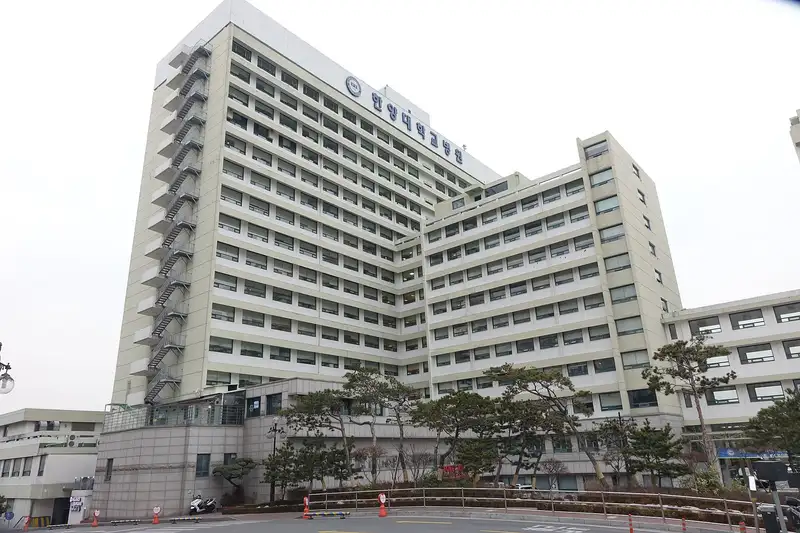 02 Fedha Hanyang University Medical Center
Why #2: Established 1972 — long institutional track record
In Seoul, Hanyang University Medical Center is one of the hospitals international coordinators routinely shortlist for cardiac surgery. It opened in 1972. The clinical footprint includes cardiac surgery, orthopedics, and…
Est. 1972 -
 03 Shaba The Catholic University of Korea, Yeouido St. Mary's Hospital
Why #3: Established 1936 — long institutional track record
Based in Seoul, The Catholic University of Korea, Yeouido St. Mary's Hospital is a hospital working across 9 clinical specialties. It opened in 1936. Core clinical activity runs through cardiac surgery, orthopedics, and …
Est. 1936 - 04 Hanyang University Seoul Hospital
Why #4: Established 1972 — long institutional track record
Hanyang University Seoul Hospital runs from Seoul, South Korea. Patients travel here primarily for cardiac surgery. It opened in 1972. On the clinical side, the hospital covers cardiac surgery, orthopedics, and oncology …
Est. 1972 - 05Sungae Hospital
Why #5: Established 1978 — long institutional track record
Sungae Hospital sits in Seoul's healthcare corridor. Patients on the international desk tend to travel in from China and beyond. It opened in 1978. On the clinical side, the hospital covers cardiac surgery, orthopedics, …
Est. 1978 -
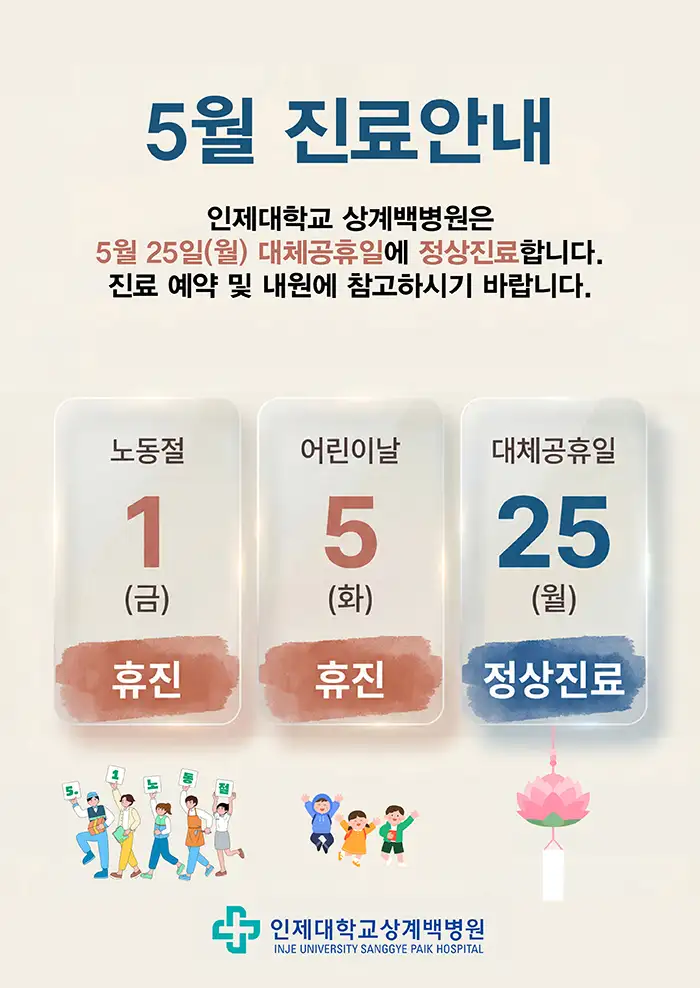 06 Inje University Sanggye Paik Hospital
Why #6: Established 1988 — long institutional track record
Inje University Sanggye Paik Hospital — a Seoul hospital with cardiac surgery among its busier departments. It opened in 1988. The clinical footprint includes cardiac surgery, orthopedics, and oncology. Ask for current a…
Est. 1988 -
 07 Gangnam Cha Hospital
Why #7: Established 1960 — long institutional track record
Gangnam Cha Hospital runs from Seoul, South Korea. Patients travel here primarily for cardiac surgery. It opened in 1960. On the clinical side, the hospital covers cardiac surgery, orthopedics, and oncology along with 6 …
Est. 1960 -
 08 Hanil General Hospital
Why #8: Established 1937 — long institutional track record
Hanil General Hospital operates in Seoul, South Korea, a growing destination for Asian medical tourists. It handles a mix of domestic and international cases. It opened in 1937. On the clinical side, the hospital covers …
Est. 1937 -
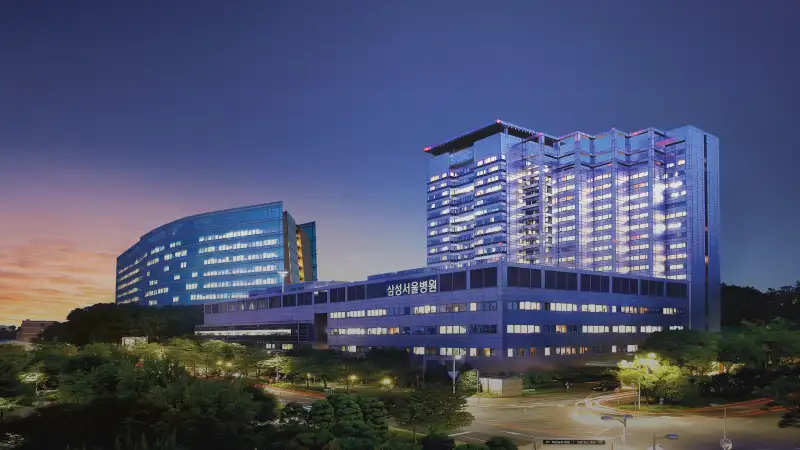 09 Songdo Hospital
Why #9: Verified accreditation, transparent pricing, dedicated international patient desk
Songdo Hospital is a hospital working across 9 clinical specialties. The clinical footprint includes cardiac surgery, orthopedics, and oncology. Ask for current accreditation paperwork before you travel — not every small…
-
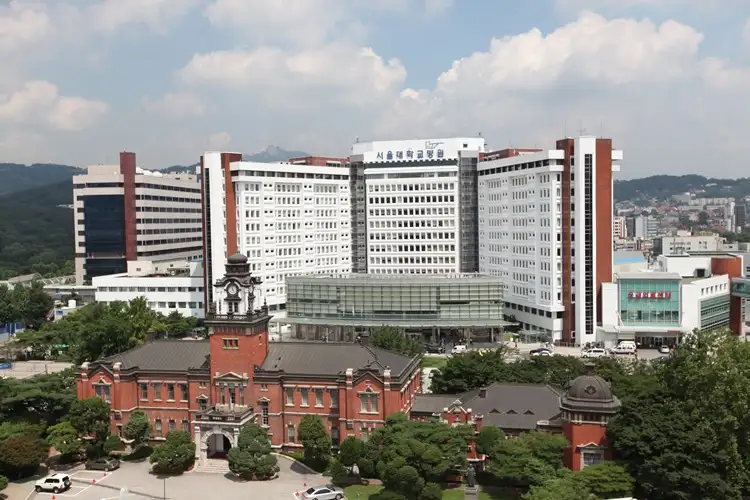 10 Hyeminseo
Why #10: Verified accreditation, transparent pricing, dedicated international patient desk
Hyeminseo (Korean: 혜민서; Hanja: 惠民署) was the medical authority of the Joseon Dynasty in Seoul (then "Hanseong"), Korea. The officers were in charge of the treatment of commoners and medicine. In 1392, the year of the foun…
-
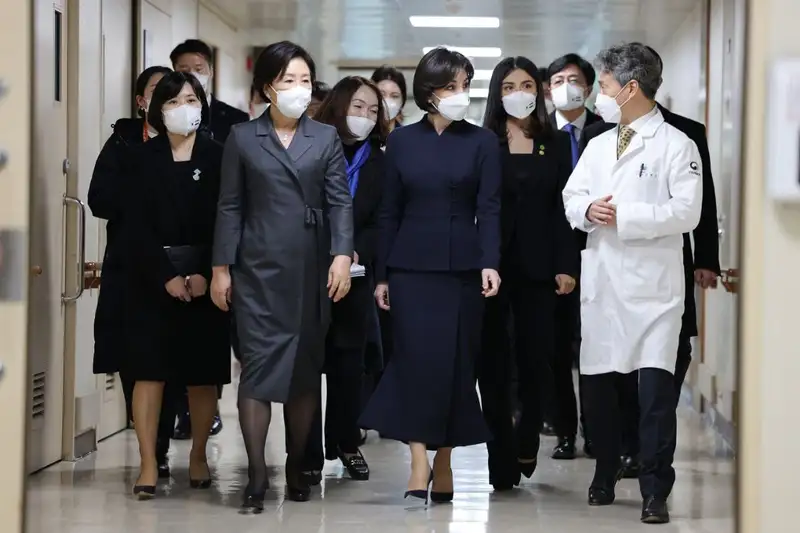 11 National Rehabilitation Center
Why #11: Verified accreditation, transparent pricing, dedicated international patient desk
National Rehabilitation Center is a hospital working across 9 clinical specialties. The clinical footprint includes cardiac surgery, orthopedics, and oncology. Ask for current accreditation paperwork before you travel — …
-
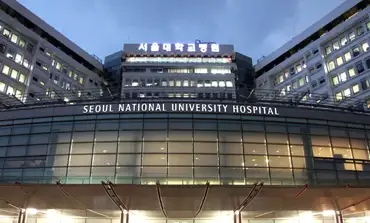 12 Korea Cancer Center Hospital
Why #12: Established 1963 — long institutional track record
Korea Cancer Center Hospital is a hospital working across 9 clinical specialties. It opened in 1963. Core clinical activity runs through oncology, cardiac surgery, and orthopedics. If you're planning treatment here, expe…
Est. 1963 -
 13 Myeongji St. Mary’s Hospital
Why #13: Established 1984 — long institutional track record
Myeongji St. Mary’s Hospital runs from South Korea. Patients travel here primarily for cardiac surgery. It opened in 1984. Departments include cardiac surgery, orthopedics, and oncology plus 6 more. If you're planning tr…
Est. 1984 -
 14 Lucina Obstetrics & Gynecology Clinic
Why #14: Verified accreditation, transparent pricing, dedicated international patient desk
Lucina Obstetrics & Gynecology Clinic operates in South Korea, a growing destination for Asian medical tourists. It handles a mix of domestic and international cases. On the clinical side, the hospital covers gynecology,…
-
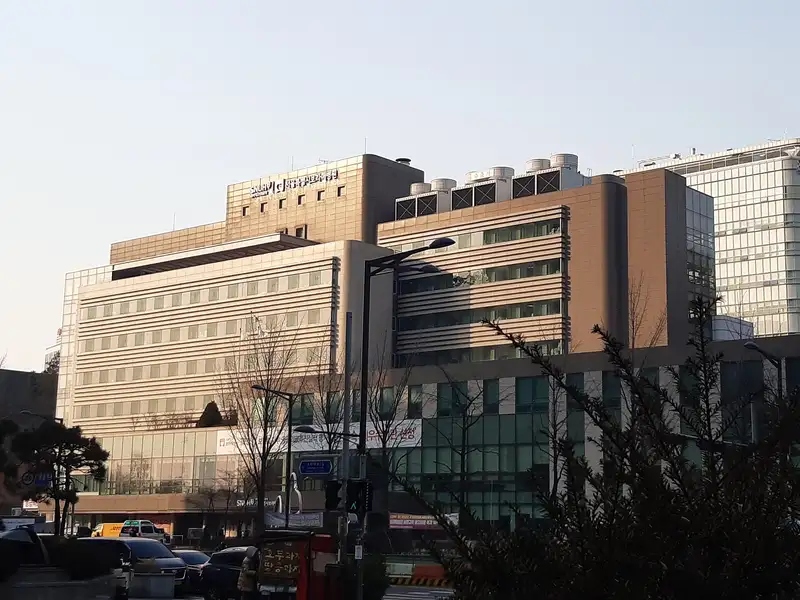 15 Seoul Metropolitan Boramae Hospital
Why #15: Established 1955 — long institutional track record
Seoul Metropolitan Boramae Hospital sits in Seoul's healthcare corridor. Patients on the international desk tend to travel in from China and beyond. It opened in 1955. On the clinical side, the hospital covers cardiac su…
Est. 1955 -
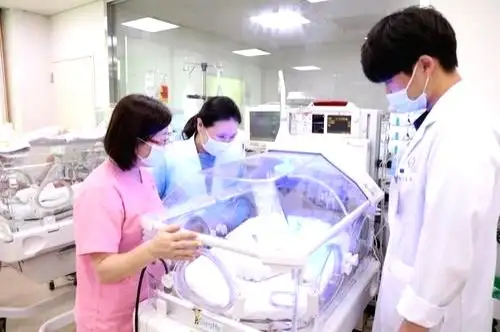 16 Hallym University Kangnam Sacred Heart Hospital
Why #16: Established 1980 — long institutional track record
Hallym University Kangnam Sacred Heart Hospital runs from Seoul, South Korea. Patients travel here primarily for cardiac surgery. It opened in 1980. Departments include cardiac surgery, orthopedics, and oncology plus 6 m…
Est. 1980 -
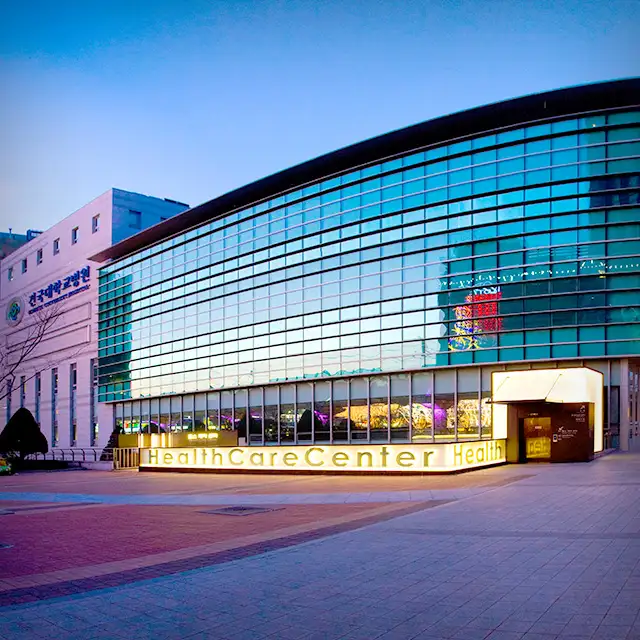 17 Konkuk University Hospital
Why #17: Established 1931 — long institutional track record
In Seoul, Konkuk University Hospital is one of the hospitals international coordinators routinely shortlist for cardiac surgery. It opened in 1931. The clinical footprint includes cardiac surgery, orthopedics, and oncolo…
Est. 1931 - 18 Central Veterans Hospital
Why #18: Established 1953 — long institutional track record
Based in Seoul, Central Veterans Hospital is a hospital working across 9 clinical specialties. It opened in 1953. Core clinical activity runs through cardiac surgery, orthopedics, and oncology. If you're planning treatme…
Est. 1953 - 19 Seoul Metropolitan Bukbu Hospital
Why #19: Verified accreditation, transparent pricing, dedicated international patient desk
Seoul Metropolitan Bukbu Hospital — a hospital with cardiac surgery among its busier departments. It opened in 2006. The clinical footprint includes cardiac surgery, orthopedics, and oncology. Ask for current accreditati…
Est. 2006 -
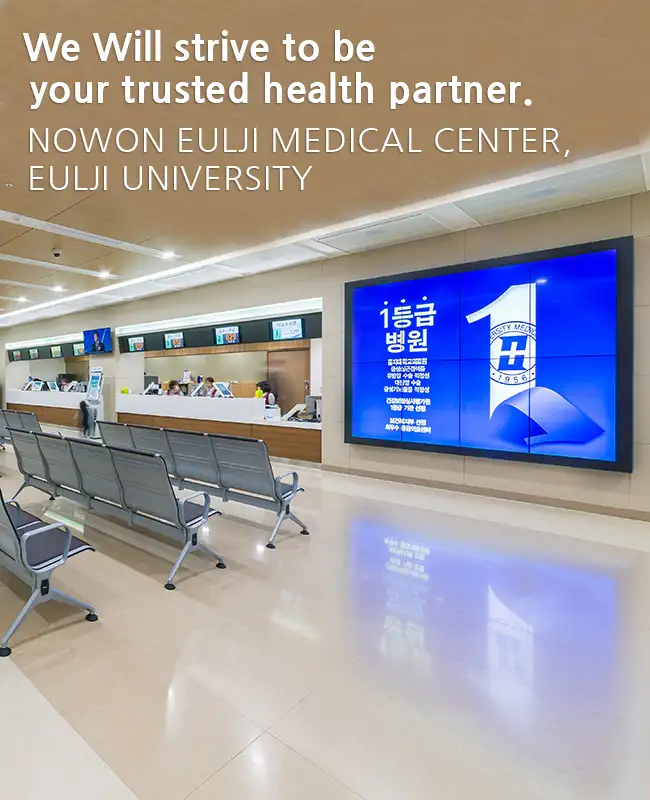 20 Nowon Eulji Medical Center, Eulji University
Why #20: Verified accreditation, transparent pricing, dedicated international patient desk
Nowon Eulji Medical Center, Eulji University sits in Seoul's healthcare corridor. Patients on the international desk tend to travel in from China and beyond. It opened in 1995. Departments include cardiac surgery, orthop…
Est. 1995
Jinsi orodha hii inavyopangwa
Kinachoamua mpangilio
Hospitali hupangwa kwa sehemu hizi za hifadhidata yetu, kwa mfuatano huu. Hakuna kingine kinachopimwa.
Hatupimi matokeo ya matibabu, idadi ya upasuaji wa daktari wala machapisho. Uliza kila hospitali idadi ya kesi za kila daktari kabla ya kuamua.
- 1Hadhi ya kituo cha ubora
Hospitali zilizotambuliwa kama kituo cha ubora kwa utaalamu huu huja kwanza.
- 2Ukadiriaji wa wagonjwa
Wastani wa juu wa ukadiriaji hupanda juu zaidi.
- 3Idadi ya maoni
Huamua sare kati ya hospitali zenye ukadiriaji sawa.
What this list isn't
Rating ≠ outcome
A hospital ranking is a qualifying filter, not a prediction of your outcome. Within any listed hospital, your outcome is shaped by your specific surgeon's volume, the program's protocol for your indication, and your own clinical baseline. Always ask for surgeon-level data — case volume per year, conversion rate, infection rate — before committing.
Hatua inayofuata · GI Surgery
Tuko tayari ukiwa tayari.
Njia tatu za kuendelea. Chagua inayokufaa sasa hivi.
Destination · South Korea
Why patients choose South Korea for gi surgery (gi surgery)
South Korea is Asia's leader in cosmetic, plastic, and dental surgery, with parallel strengths in spinal, orthopedic, and stem-cell programs. The country's Big Five hospitals (Asan, Samsung, Severance, Seoul National, Catholic) run JCI-accredited international wings with dedicated translators, recovery suites, and multilingual aftercare. For gi surgery, Korea attracts patients from China, Japan, Russia, Mongolia, the GCC, and increasingly the US — drawn by surgical refinement, post-op aesthetics, and recovery hospitality that sets the global benchmark.
- 01
Gangnam-district plastic surgery has 500+ board-certified clinics within a 2 km radius — the consequence is hyper-specialisation that's hard to replicate.
- 02
Big Five academic hospitals run multidisciplinary review on every international referral; outcomes auditing is publicly reported.
- 03
K-Medical Hub coordination at Incheon Airport runs hospital-direct transfers, removing logistics friction.
- 04
Stem-cell and regenerative therapy programs are uniquely permissive and well-regulated under the MFDS — Korea is a destination of last resort for some advanced cell-therapy indications.
Cost note. Korean medical-tourism pricing is supported by the won's softness and a deep clinical workforce; aesthetic procedures are 30-60% below US/EU list with measurably better aesthetic outcomes per peer-reviewed comparisons.
How to use this list
What to look for
- Pre-op nutritional optimization protocol.
- Anastomotic leak rate published (5-10% typical at experienced centers).
- Conversion rate (lap-to-open) for your procedure type.
- ICU and intermediate care availability.
- Multi-disciplinary review for cancer cases.
- Pathology lab integration.
Volume benchmarks
Surgeon volume benchmarks
Travel timing
When to travel to South Korea
Peak window: April, May, June, September, October
Avoid: July, August
Spring and fall are most pleasant. Summer (July–August) is hot and humid. Winter is cold and snowy — uncomfortable for some recoveries but indoor infrastructure is excellent.
Questions
What to ask each program on this list
- 01
What's your laparoscopic/robotic conversion rate?
- 02
What's the leak rate or anastomotic complication rate?
- 03
What's the nutritional plan post-discharge?
- 04
What follow-up endoscopy or imaging schedule applies?
- 05
How is pathology reviewed, and how does my home GI specialist receive results?
Adjacent rankings
Other ways to slice GI Surgery in Seoul
Best-of lists are one cut. These hubs let you re-rank by destination, by city, by surgeon volume, or by procedure.
- Specialty GI Surgery hub All gi surgery programs across all destinations.
- Best of Best GI Surgery in South Korea Step up from Seoul to the full South Korea ranking.
- City Seoul hospital hub All hospitals and pricing benchmarks in Seoul.
- Destination South Korea hospital hub Featured programs and pricing benchmarks for South Korea.
- Surgeons GI Surgery surgeons Volume-ranked physician directory across all destinations.
- Surgeons GI Surgery surgeons in South Korea Filtered to South Korea-based programs only.
- Hospitals All South Korea hospitals Filter by city, specialty, accreditation, beds.
- Hospitals Hospitals filtered by GI Surgery Programs credentialed for gi surgery across all destinations.
- Browse Other best-of rankings All specialty × country ranking combinations.
- Compare Hospital comparison Side-by-side accreditations, ratings, beds, and pricing for up to 4 hospitals.
- Compare Doctor comparison Surgeons compared on volume, fees, languages, video-consult availability.
- Tool Cost calculator Hospital-reported pricing for gi surgery procedures across destinations.
- Tool Match-me triage Three questions, get a specialty + destination + 3-hospital shortlist.
- Trust Editorial policy Methodology behind ranking, AI disclosure, corrections SLA.