🇰🇷 South Korea · City hub
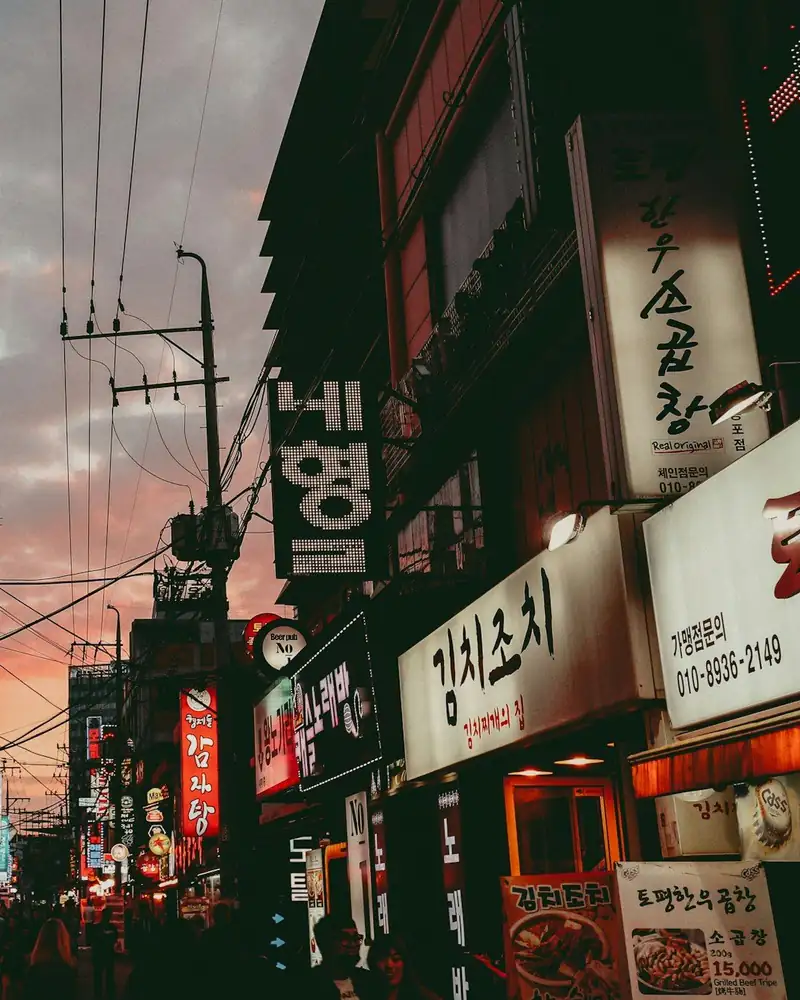
Hospitals in Seoul
50 accredited hospitals in Seoul, South Korea serving international patients across 14 specialties. Compare facilities, pricing, and physician profiles.
- Hospitals
- 50Hospitals
- Specialties
- 14Specialties
- Avg rating
- 4.8Avg rating
- Inpatient beds
- 2,700Inpatient beds
Ilisasishwa mwisho: Jinsi tunavyokusanya na kukagua taarifa
City at a glance
Practical facts for planning
- Nearest airportICNIncheon Intl
- LanguagesKoreanEnglish (in clinics)
- Time zoneKSTUTC+9
- CurrencyKRW ₩FX kiosk + ATMs at airport
- Best seasonApr–Jun · Sep–OctRe-check forecast pre-arrival
Your case manager arranges airport pickup, recovery-friendly accommodation near the hospital, and a local SIM if you need one. Translation services are baked into every quote — no extra fee.
01 · Specialties offered
What Seoul is known for
02 · Top-rated
Leading hospitals in Seoul

Asan Medical Center
Seoul, South Korea · ★ 4.8 (Maoni 410)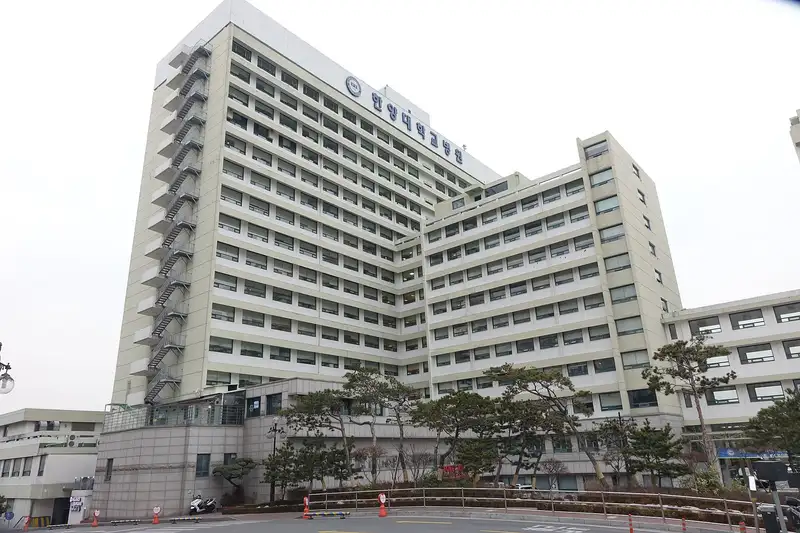
Hanyang University Medical Center
Seoul, South Korea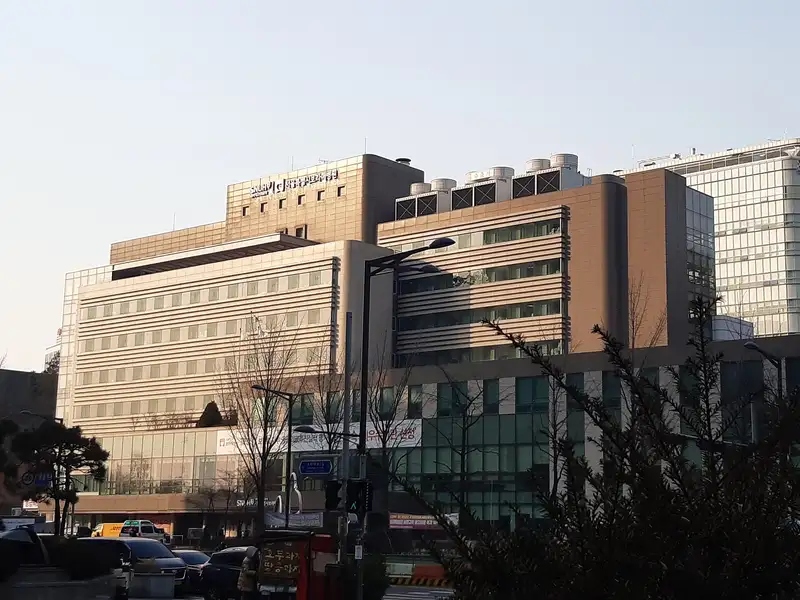
Seoul Metropolitan Boramae Hospital
Seoul, South Korea Hanyang University Seoul Hospital
Seoul, South KoreaSungae Hospital
Seoul, South Korea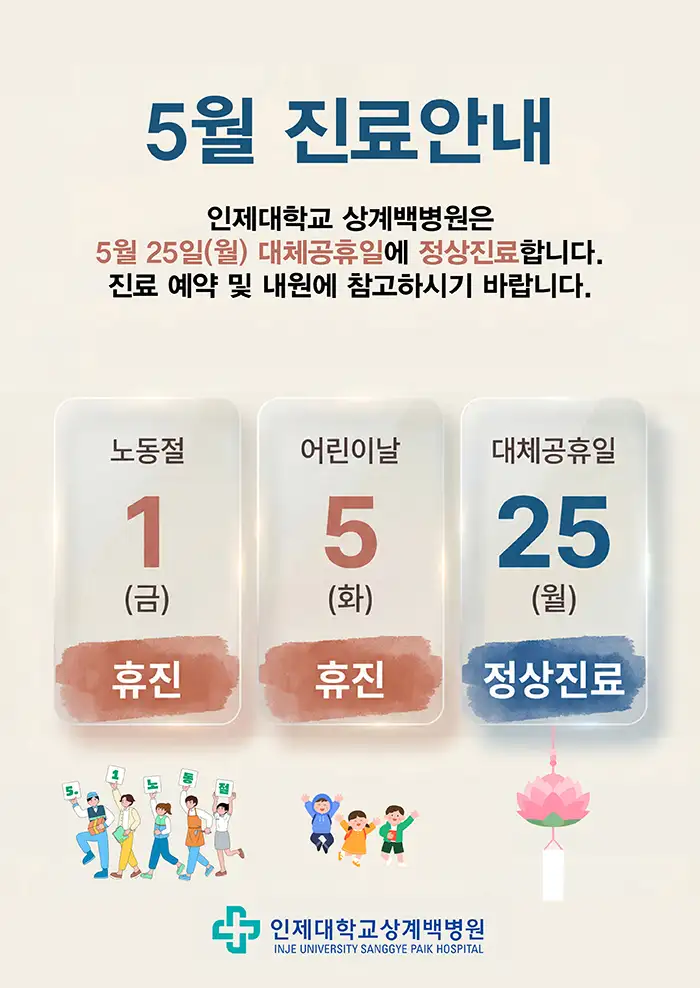
Inje University Sanggye Paik Hospital
Seoul, South Korea03 · Full directory
All hospitals in Seoul
- 07 Gangnam Cha Hospital
- 08 Hanil General Hospital
- 09 Songdo Hospital
- 10 Onnuri Smile Eye Clinic
- 11 Hyeminseo
- 12 National Rehabilitation Center
- 13 Korea Cancer Center Hospital
- 14 Kyung Hee University Dental Hospital
- 15 Myeongji St. Mary’s Hospital
- 16 Lucina Obstetrics & Gynecology Clinic
- 17 The Catholic University of Korea, Yeouido St. Mary's Hospital
- 18 Hallym University Kangnam Sacred Heart Hospital
- 19 Konkuk University Hospital
- 20 Central Veterans Hospital
- 21 Seoul Metropolitan Bukbu Hospital
- 22 Sahmyook Medical Center
- 23 Seoul National University Hospital
- 24 Jaseng Hospital of Oriental Medicine
- 25 National Medical Center
- 26 Kangbuk Samsung Hospital
- 27 H PLUS YANGJI Hospital
- 28 Seoul Medical Center
- 29 Seoul Redcross Hospital
- 30 Ewha Womans University Mokdong Hospital
- 31 Soonchunhyang University Seoul Hospital
- 32 Seoul Child Hospital
- 33 미즈메디병원 (Miz Medi Hospital)
- 34 Daerim St. Mary's Hospital
- 35 Samsung Medical Center
- 36 National Police Hospital
- 37 Gangnam Severance Hospital
- 38 Seoul Metropolitan Seonam Hospital
- 39 Cham Podonamu Hospital
- 40 Seo Jai Gon Linker Hospital
- 41 Kim's Eye Hospital
- 42 MizMedi Hospital
- 43 The Catholic University of Korea, St. Paul's Hospital
- 44 National Center for Mental Health
- 45 Yonsei Sarang Hospital
- 46 Kangdong Sacred Heart Hospital
- 47 Himchan Hospital
- 48 Seoul National University Bundang Hospital
- 49 Severance Hospital
- 50 Kyung Hee University Hospital at Gangdong
More in South Korea
Other hospital cities in South Korea
Compare Seoul against the other medical-travel cities in South Korea.
Travel + recovery
Getting to South Korea and recovering well
South Korea offers K-ETA (Korea Electronic Travel Authorization) for visa-waiver eligible nationalities — apply 72 hours before departure online. For longer medical stays, a C-3-3 medical-purpose visa is available with the hospital's invitation letter. Processing takes 5-10 working days at a Korean consulate.
Incheon (ICN) and Gimpo (GMP) are major North Asian hubs with direct flights from every Asian capital, both US coasts, the major European cities, the Gulf carriers, Sydney, and Auckland. Korean Air, Asiana, and the LCC carriers run dense schedules. Typical transit: 2-3 hours within North Asia, 8-10 hours from the GCC, 13-15 hours from US East Coast.
Seoul has the most refined medical-recovery hospitality in Asia, particularly in Gangnam and Jung-gu — hotels in those districts run dedicated medical-recovery floors with low-light, low-noise rooms and in-house nursing call-buttons. Plan 7-14 days for routine recovery.
Korea has four pronounced seasons. Surgery is comfortable May-June and September-October. Winters are cold (-5 to 5°C, dry), summers humid (25-32°C with monsoon late June through August).
Practical city guide
Practical guide to Seoul
Seoul's medical facilities include Asan Medical Center (the world's largest by case volume), Severance Hospital (Yonsei University), Samsung Medical Center, Seoul National University Hospital (SNUH), and Catholic Medical Center.
Asan is the world's leading liver transplant program. Samsung Medical Center has strong oncology and complex surgery. Severance has comprehensive specialty care. The Gangnam district has the world's highest concentration of cosmetic surgery practices.
Korea's medical system is highly developed with strong international-patient services at major hospitals. Cost is mid-tier — higher than India/Turkey, lower than Japan/Singapore/US.
Hospital clusters by neighborhood
Songpa-gu / Olympic Park area
Asan Medical Center.
Seodaemun / Sinchon
Severance Hospital.
Gangnam-gu
Samsung Medical Center; cosmetic surgery practices densely concentrated.
Jongno-gu (Daehangno)
Seoul National University Hospital.
Seocho-gu
Catholic Medical Center.
Airport + transit
Airport: Incheon International (ICN) — major international hub. Gimpo (GMP) for domestic and short international.
ICN to central Seoul: 60-90 min by AREX express train; 60-90 min by car.
AREX (Airport Express Railway) is efficient and economical. Premium hospitals offer pickup.
Climate
Four-season continental. Cold winters (-5 to 5°C December-February). Hot, humid summers (24-32°C July-August). Spring (April-May) and fall (September-October) most pleasant for recovery.
Where to stay during recovery
Gangnam
Modern, premium hotels (JW Marriott, Park Hyatt, Grand Intercontinental). Close to Samsung Medical Center; cosmetic clinic district.
Myeongdong / Jongno
Central, traditional. Premium hotels (Westin Chosun, Lotte Hotel). Walking-friendly historic areas.
Songpa-gu (Asan area)
Newer development, near Asan Medical Center, Olympic Park.
Itaewon
International district, mid-range to premium.
Recovery-friendly activities
- Han River parks — extensive promenade walks.
- Olympic Park (Songpa) — large park, paved paths.
- Bukchon Hanok Village — traditional, walking.
- Coex Mall (Gangnam) — climate-controlled.
- Namsan Park / Seoul Tower — peaceful with cable car option.
- Gyeongbokgung Palace — historic, walking.
- Insadong — traditional crafts area.
Food + accommodation
Food: Korean cuisine + international. Seoul has world-class restaurant scene. Hospital food caters to international diets with explicit request.
Accommodation: Premium ($200-450): JW Marriott, Westin Chosun, Park Hyatt, Lotte Hotel, Four Seasons. Mid-tier ($100-200): Conrad, Sheraton, Holiday Inn.
Practical notes
Excellent English at hospitals; less prevalent in older neighborhoods. Cards universally accepted. Subway extremely efficient. Cash culture for some traditional shops. Modest dress not required but cultural respect for elders.
Mbinu na viwango vya uhariri
This Seoul medical-tourism overview is rebuilt from the city's currently-active accredited hospitals, surgeon credential checks, and verified flight-connectivity data. Climate and recovery-window guidance is informed by case-manager experience moving patients in and out of Seoul year-round.
- Taarifa za hospitali. Ithibati, leseni na vifaa vinakaguliwa kwenye rejista za umma (JCI, NABH, orodha za leseni za wizara za afya) na nyaraka za hospitali, na kukaguliwa upya mara kwa mara.
- Sifa za madaktari. Elimu na utaalamu vinatoka kwenye wasifu wa daktari hospitalini na rejista za mabaraza ya madaktari ya kitaifa.
- Bei. Viwango vya bei vinatoka kwenye makadirio na vifurushi vya maandishi vya hospitali, si bei za matangazo.
- Maandishi ya kitabibu. Yanaandikwa na timu yetu ya uhariri na kukaguliwa dhidi ya miongozo ya sasa kabla ya kuchapishwa.
- Uhuru. Hospitali haziwezi kulipa ili kubadilisha nafasi yao kwenye kurasa zetu.
Hatua inayofuata · Seoul
Tuko tayari ukiwa tayari.
Njia tatu za kuendelea. Chagua inayokufaa sasa hivi.
Seoul medical travel
Browse Seoul the way that fits your case
Same hospitals, different cuts. Pick the lens that matches what you're deciding on — destination, specialty, surgeon, or visa logistics.
- Hospitals All hospitals in Seoul 50 programs in Seoul, with photos and pricing.
- Destination South Korea hospital hub Featured programs and pricing benchmarks across South Korea.
- Visa South Korea medical visa Documents, processing time, embassy guidance.
- Specialty Dental in Seoul 68 hospitals credentialed for dental.
- Specialty Ophthalmology care 67 hospitals priced for this specialty.
- Specialty ENT / Otolaryngology hub 64 programs with relevant credentials.
- Browse All 88 procedures Cost ranges, recovery time, and success rates per procedure.
- Browse All destinations Compare 9 medical-travel destination countries.
- Compare Hospital comparison Side-by-side accreditations, ratings, beds, and pricing.
- Tool Cost calculator Hospital-reported pricing across procedures × destinations.
- Tool Match-me triage Three questions, get a specialty + destination + 3-hospital shortlist.
- Action Free second opinion Independent panel review of your case in 48 hours — no charge.