Specialty · 127 accredited hospitals
Gynecology
Surgical gynecology — robotic hysterectomy, fibroid removal, endometriosis excision, minimally invasive pelvic surgery.

- Hospitals
- 127Hospitals
- Treatments
- 32Treatments
- Destinations
- 9Destinations
- From
- $540From
01 · Procedures
Treatments in Gynecology
- Deep Endometriosis Excision 3d stay 6wk recovery 87% success Compare pricing
- Total Laparoscopic Hysterectomy (TLH) 2d stay 4wk recovery 96% success Compare pricing
- Total Abdominal Hysterectomy (TAH) 4d stay 6wk recovery 95% success Compare pricing
- Open Myomectomy 4d stay 6wk recovery 92% success Compare pricing
- Laparoscopic Endometriosis Excision 2d stay 4wk recovery 88% success Compare pricing
- Manchester Repair 2d stay 4wk recovery 90% success Compare pricing
- Radical Hysterectomy (Cervical Cancer) 6d stay 6wk recovery 92% success Compare pricing
- Ovarian Cytoreduction 7d stay 6wk recovery 80% success Compare pricing
- Cervical Cone Biopsy / Conisation 0 2wk recovery 95% success Compare pricing
- Labiaplasty 0 2wk recovery 95% success Compare pricing
- Hysteroscopic Polypectomy 0 1wk recovery 96% success Compare pricing
- Robotic Hysterectomy 2d stay 4wk recovery 96% success Compare pricing
- Laparoscopic Myomectomy 2d stay 4wk recovery 94% success Compare pricing
- Vaginal Hysterectomy 3d stay 5wk recovery 95% success Compare pricing
- Supracervical (Subtotal) Hysterectomy 2d stay 4wk recovery 96% success Compare pricing
- Laparoscopic Myomectomy 2d stay 4wk recovery 92% success Compare pricing
- Robotic Myomectomy 2d stay 4wk recovery 94% success Compare pricing
- Hysteroscopic Myomectomy 1d stay 2wk recovery 92% success Compare pricing
- Uterine Fibroid Embolisation (UFE) 1d stay 2wk recovery 88% success Compare pricing
- Sacrocolpopexy (Robotic / Laparoscopic) 2d stay 4wk recovery 92% success Compare pricing
- Vaginal Prolapse Repair 2d stay 4wk recovery 92% success Compare pricing
- Vaginal Mesh Removal 2d stay 5wk recovery 84% success Compare pricing
- Bilateral Salpingo-Oophorectomy (BSO) 3d stay 4wk recovery 95% success Compare pricing
- Pelvic Lymphadenectomy 4d stay 4wk recovery 92% success Compare pricing
- LEEP (Loop Electrosurgical Excision) 0 1wk recovery 96% success Compare pricing
- Tubal Recanalisation (Reversal of Sterilisation) 1d stay 2wk recovery 70% success Compare pricing
- Salpingectomy 1d stay 2wk recovery 96% success Compare pricing
- Vaginoplasty (Aesthetic) 1d stay 4wk recovery 92% success Compare pricing
- Adolescent Ovarian Cyst Removal 1d stay 2wk recovery 96% success Compare pricing
- Hysteroscopic Septum Resection 0 2wk recovery 92% success Compare pricing
- Endometrial Ablation 0 1wk recovery 88% success Compare pricing
- Pelvic Floor Reconstruction 2d stay 4wk recovery 90% success Compare pricing
02 · Featured hospitals
Centres of excellence for Gynecology
-
 DHADOHJCI Mediclinic City Hospital Dubai, United Arab Emirates ★ 4.5 · 275 reviews Quotes from $1,400 View
 -
 NABH Azeezia Medical College Kollam, India View hospital View
 -
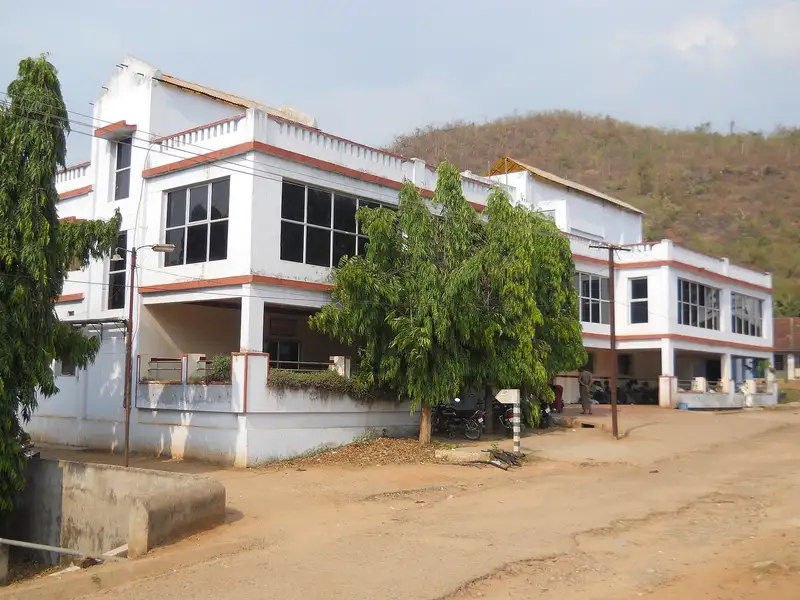 NABH Christian Hospital, Bissam Cuttack Bishamakatak, India View hospital View
 -
 ISO 9001NABH Ramakrishna Mission Sevashrama, Kankhal Haridwar, India View hospital View
 - NABH Jattinder GH Hospital, Ludhiana Ludhiana, India View hospital View
-
 NABH Cooper Hospital Mumbai, India View hospital View
03 · Surgeons
Surgeons working in Gynecology
-
 Mona bint Abdullah bin Saeed Al Mushait Dr. King Khalid University Hospital
 - Ahmed Al-Badr Dr. King Fahad Medical City
- Saad Al-Rajeh Dr. King Faisal Specialist Hospital and Research Centre
- Samar Al-Hamoud Dr. King Faisal Specialist Hospital and Research Centre
- Yousef Al-Semaan Dr. King Faisal Specialist Hospital and Research Centre
04 · Where to go
Destinations for Gynecology
| Gynecology nchini India | 56 hospitals | Country guide |
|---|---|---|
| Gynecology nchini Saudi Arabia | 56 hospitals | Country guide |
| Gynecology nchini South Korea | 5 hospitals | Country guide |
| Gynecology nchini Thailand | 2 hospitals | Country guide |
| Gynecology nchini United Arab Emirates | 2 hospitals | Country guide |
| Gynecology nchini Malaysia | 2 hospitals | Country guide |
| Gynecology nchini Singapore | 2 hospitals | Country guide |
| Gynecology nchini Turkey | 1 hospitals | Country guide |
| Gynecology nchini Germany | 1 hospitals | Country guide |
Outcomes at a glance
What patients in gynecology care typically see
Averages across the 32 procedures in this specialty. Your case manager will quote outcomes specific to your indication and chosen surgeon.
Society guidelines · current edition
Sub-specialties
Within gynecology
MIGS (minimally invasive gynecology)
Laparoscopic and robotic approaches for fibroids, endometriosis, hysterectomy.
Gynecologic oncology
Cervical, endometrial, ovarian cancer surgery + chemotherapy + radiation coordination.
Urogynecology
Prolapse repair, incontinence surgery, mesh complications management.
Reproductive surgery
Myomectomy with fertility preservation, tubal repair, hysteroscopy for uterine cavity.
General gynecology
Routine GYN care, hormonal management, screening.
Program quality
What to look for
- Laparoscopic-to-open conversion rate.
- Surgeon volume on specific procedure.
- Fertility-preservation expertise where relevant.
- Imaging quality and pre-op planning.
- Pelvic floor PT integration.
Volume thresholds
Surgeon volume benchmarks
| 150+/year on specific procedure | Top-tier |
|---|---|
| 75–150/year | Strong |
| 30–75/year | Moderate |
| Under 30/year | Lower volume |
Destinations
Where this is commonly done
India
High-volume programs, strong on minimally invasive and fertility-preserving.
Turkey
Strong on laparoscopic and robotic gynecology.
Thailand
Bumrungrad and BNH — established programs.
Germany
Premium for complex oncologic gynecology.
Patient journey
The typical care flow
Diagnosis
Pelvic exam, ultrasound, often MRI for complex cases.
Decision
Surgical plan reflects pathology + fertility plans + symptom severity.
Pre-op optimization
Hemoglobin optimization, hormonal optimization where relevant.
Surgery + admission
1-5 day stay depending on approach (lap vs open) and procedure.
Recovery + follow-up
Wound check at 2 weeks, exam at 6 weeks. Activity restrictions for 4-6 weeks.
Questions
What to ask the program
- What's your laparoscopic-to-open conversion rate?
- What's your complication profile?
- Will my uterine repair preserve future fertility?
- What's the discharge timeline and activity restrictions?
- Who manages follow-up imaging and pathology review?
Decision check
Is this specialty right for your case?
- Is your imaging finding correlated with symptoms?
- Are your fertility plans clear and reflected in the surgical plan?
- Have you tried conservative options where applicable?
- Is your home gynecologist willing to coordinate follow-up?
- Can you accept the activity restrictions for 4-6 weeks?
05 · FAQ
Common questions about Gynecology abroad
How do I pick a hospital for Gynecology?
Start with three filters: annual case volume for the specific procedure (not the specialty as a whole), the surgeon's personal experience with your condition, and what the follow-up plan looks like for months 3–12 after you're back home. Hospital brand matters less than the specific team you'll be under.
What's the cost difference between countries for gynecology?
Cost differences between destinations for gynecology can run 3–10× depending on the procedure and the country. The gap is usually driven by surgeon/labor costs and facility overhead rather than technology or outcomes — many mid-cost destinations run the same equipment as premium markets.
Is a second opinion worth it before booking gynecology?
For most elective procedures in gynecology, yes. A multidisciplinary review often changes the treatment recommendation — sometimes away from surgery, sometimes toward a different approach. We coordinate free second opinions across our partner programs before any travel is booked.
How long should I plan to be abroad for gynecology treatment?
Plan for the procedure + the first follow-up to happen before you fly back. Simple procedures can be a 1–2 week trip; complex surgery often needs 3–6 weeks. Your coordinator will give you a date-specific plan once your clinical details are in.
What happens if I have a complication after flying home?
A good program will have a clear follow-up pathway: direct messaging with the surgical team, imaging sharing, and — in the rare case of a serious complication — a pathway for return or for local handoff to a partner hospital. Ask about this specifically before booking; ambiguity here is the single biggest red flag.
Specialty depth
How to shortlist a credible gynecology specialist
A board certification in gynecology is the floor, not the ceiling. Senior practice in this field is sub-specialised — the right surgeon for your case is the one whose volume, fellowship, and audit data line up with the specific operation you need.
Sub-specialties to be aware of
Gynecology typically branches into several sub-fields by anatomy, technique, or patient population. The right surgeon for your case is sub-specialty matched, not just board-certified in the general field.
How outcomes get measured
- Procedure-specific mortality / major-morbidity rate.
- Re-operation or re-admission rate within 30 / 90 days.
- Patient-reported outcome measures (PROMs) at standard intervals.
- Length of stay and discharge-to-home rate.
What a credible specialist looks like
- High annual procedure volume in your specific operation, not just the broader specialty.
- Subspecialty fellowship training — surgeon volume and case mix matter more than overall years in practice.
- Active multidisciplinary review for complex cases.
- Publicly reported outcomes (national registries, peer-reviewed publications).
Mbinu na viwango vya uhariri
This gynecology hub draws on 127 accredited hospitals running active gynecology programs across 9 destinations.
- Taarifa za hospitali. Ithibati, leseni na vifaa vinakaguliwa kwenye rejista za umma (JCI, NABH, orodha za leseni za wizara za afya) na nyaraka za hospitali, na kukaguliwa upya mara kwa mara.
- Sifa za madaktari. Elimu na utaalamu vinatoka kwenye wasifu wa daktari hospitalini na rejista za mabaraza ya madaktari ya kitaifa.
- Bei. Viwango vya bei vinatoka kwenye makadirio na vifurushi vya maandishi vya hospitali, si bei za matangazo.
- Maandishi ya kitabibu. Yanaandikwa na timu yetu ya uhariri na kukaguliwa dhidi ya miongozo ya sasa kabla ya kuchapishwa.
- Uhuru. Hospitali haziwezi kulipa ili kubadilisha nafasi yao kwenye kurasa zetu.
Huduma ya Gynecology
Endelea kuchunguza gynecology
Ukurasa huu ni njia moja tu. Kurasa hizi zinakuwezesha kutafuta kwa daktari wa upasuaji, nchi, utaratibu au ugonjwa, kulingana na uamuzi unaofanya.
- Madaktari wa upasuaji Madaktari wote wa gynecology Orodha ya madaktari wa upasuaji katika nchi zote.
- Hospitali Hospitali zinazotoa gynecology Programu za taaluma hii katika mtandao wetu.
- Vinjari Magonjwa yote Kutoka ugonjwa hadi taaluma hadi matibabu ya kwanza.
- Vinjari Taratibu zote Muda wa kupona na bei za hospitali kwa kila utaratibu.
- Vinjari Nchi za matibabu Gharama za matibabu, programu za hospitali na miongozo ya viza.
- Bora zaidi Programu bora za gynecology Zimepangwa kwa taaluma na nchi, pamoja na maelezo ya mbinu.
- Linganisha Linganisha hospitali Uidhinishaji, vitanda na bei kando kwa kando.
- Linganisha Linganisha madaktari Madaktari wakilinganishwa kwa uzoefu, ada na lugha.
- Zana Kikokotoo cha gharama Bei zilizotolewa na hospitali kwa utaratibu na nchi.
- Zana Mechi kwa maswali matatu Jibu maswali matatu upate orodha fupi ya taaluma, nchi na hospitali.
- Uaminifu Bodi ya matibabu Madaktari wanaokagua maudhui yetu ya kitabibu.
- Hatua Maoni ya pili bure Mtaalamu anapitia ripoti zako bila malipo.
Hatua inayofuata · Gynecology
Share your case. Get a Gynecology shortlist in 48 hours.
Njia tatu za kuendelea. Chagua inayokufaa sasa hivi.