2026 ranking
Best hospitals for Ophthalmology in 🇩🇪 Stuttgart
Hospitali 20 kutoka hifadhidata ya Medcasts, zimepangwa kwa hadhi ya kituo cha ubora, ukadiriaji wa wagonjwa na idadi ya maoni. Itumie kama orodha fupi ya kuanzia, si uamuzi wa mwisho.
Methodology: how we rank · pricing
- Hospitali zilizopimwa
- 20Hospitali zilizopimwa
-
 01 Dhahabu Robert-Bosch-Krankenhaus, Standort City
Why #1: Verified accreditation, transparent pricing, dedicated international patient desk
Robert-Bosch-Krankenhaus, Standort City sits in Stuttgart's healthcare corridor. Patients on the international desk tend to travel in from Russia and beyond. On the clinical side, the hospital covers cardiac surgery, ort…
150 beds -
 02 Fedha Sonnenberg Klinik
Why #2: Verified accreditation, transparent pricing, dedicated international patient desk
In Stuttgart, Sonnenberg Klinik is one of the hospitals international coordinators routinely shortlist for cardiac surgery. The clinical footprint includes cardiac surgery, orthopedics, and oncology. Ask for current accr…
-
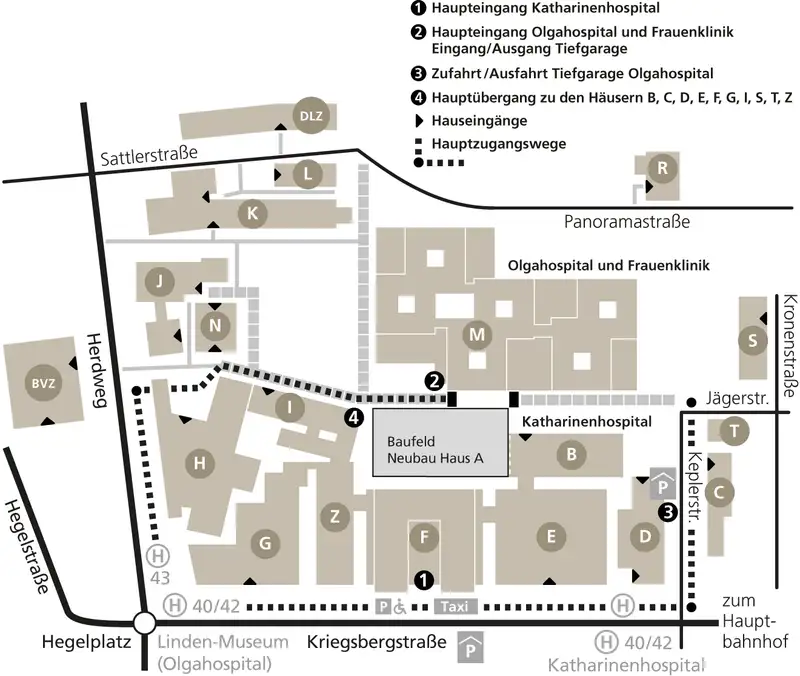 03 Shaba Karl-Olga-Krankenhaus
Why #3: Verified accreditation, transparent pricing, dedicated international patient desk
Karl-Olga-Krankenhaus runs from Stuttgart, Germany. Patients travel here primarily for cardiac surgery. Departments include cardiac surgery, orthopedics, and oncology plus 6 more. If you're planning treatment here, expec…
-
 04 Krankenhaus Bad Cannstatt
Why #4: Verified accreditation, transparent pricing, dedicated international patient desk
In Stuttgart, Krankenhaus Bad Cannstatt is one of the hospitals international coordinators routinely shortlist for cardiac surgery. Core clinical activity runs through cardiac surgery, orthopedics, and oncology. On-the-g…
-
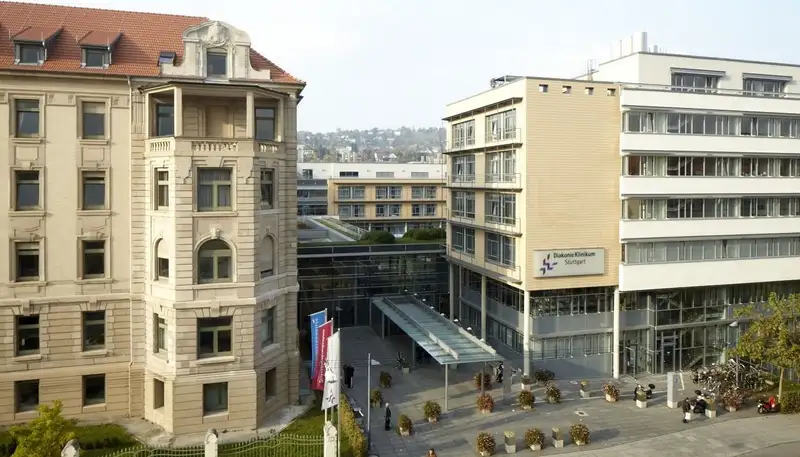 05 Diakonie-Klinikum Stuttgart
Why #5: Verified accreditation, transparent pricing, dedicated international patient desk
Diakonie-Klinikum Stuttgart runs from Stuttgart, Germany. Patients travel here primarily for cardiac surgery. It opened in 2003. Departments include cardiac surgery, orthopedics, and oncology plus 6 more. If you're plann…
400 beds Est. 2003 -
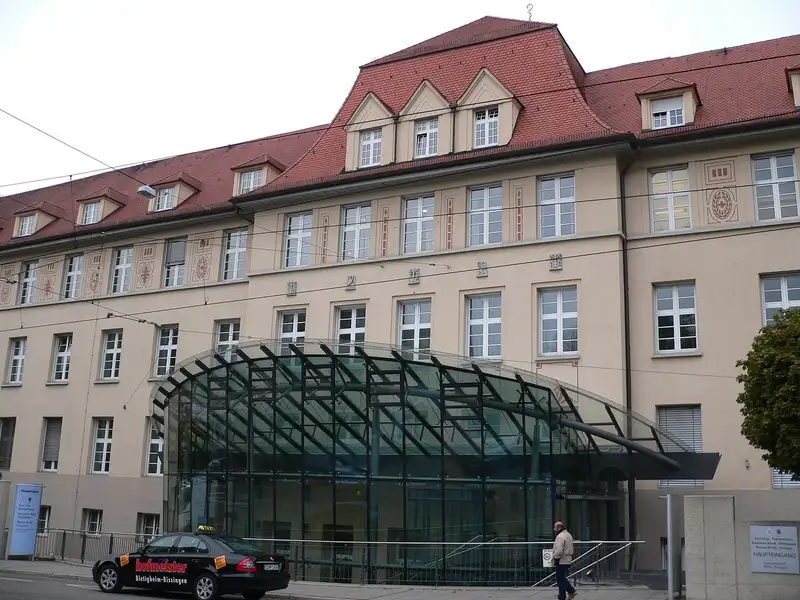 06 Karl-Olga Hospital
Why #6: Established 1894 — long institutional track record
Karl-Olga Hospital sits in Stuttgart's healthcare corridor. Patients on the international desk tend to travel in from Russia and beyond. It opened in 1894. On the clinical side, the hospital covers cardiac surgery, ortho…
Est. 1894 -
 07 Katharinenhospital Stuttgart
Why #7: Verified accreditation, transparent pricing, dedicated international patient desk
Based in Stuttgart, Katharinenhospital Stuttgart is a hospital working across 9 clinical specialties. Core clinical activity runs through cardiac surgery, orthopedics, and oncology. If you're planning treatment here, exp…
-
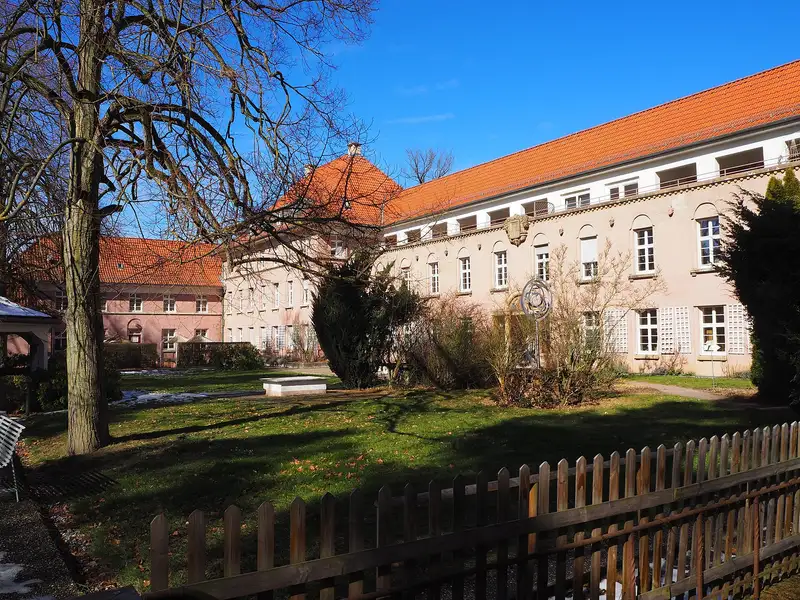 08 Rudolf-Sophien-Stift
Why #8: Verified accreditation, transparent pricing, dedicated international patient desk
Rudolf-Sophien-Stift sits in Stuttgart's healthcare corridor. Patients on the international desk tend to travel in from Russia and beyond. Departments include cardiac surgery, orthopedics, and oncology plus 6 more. On-th…
-
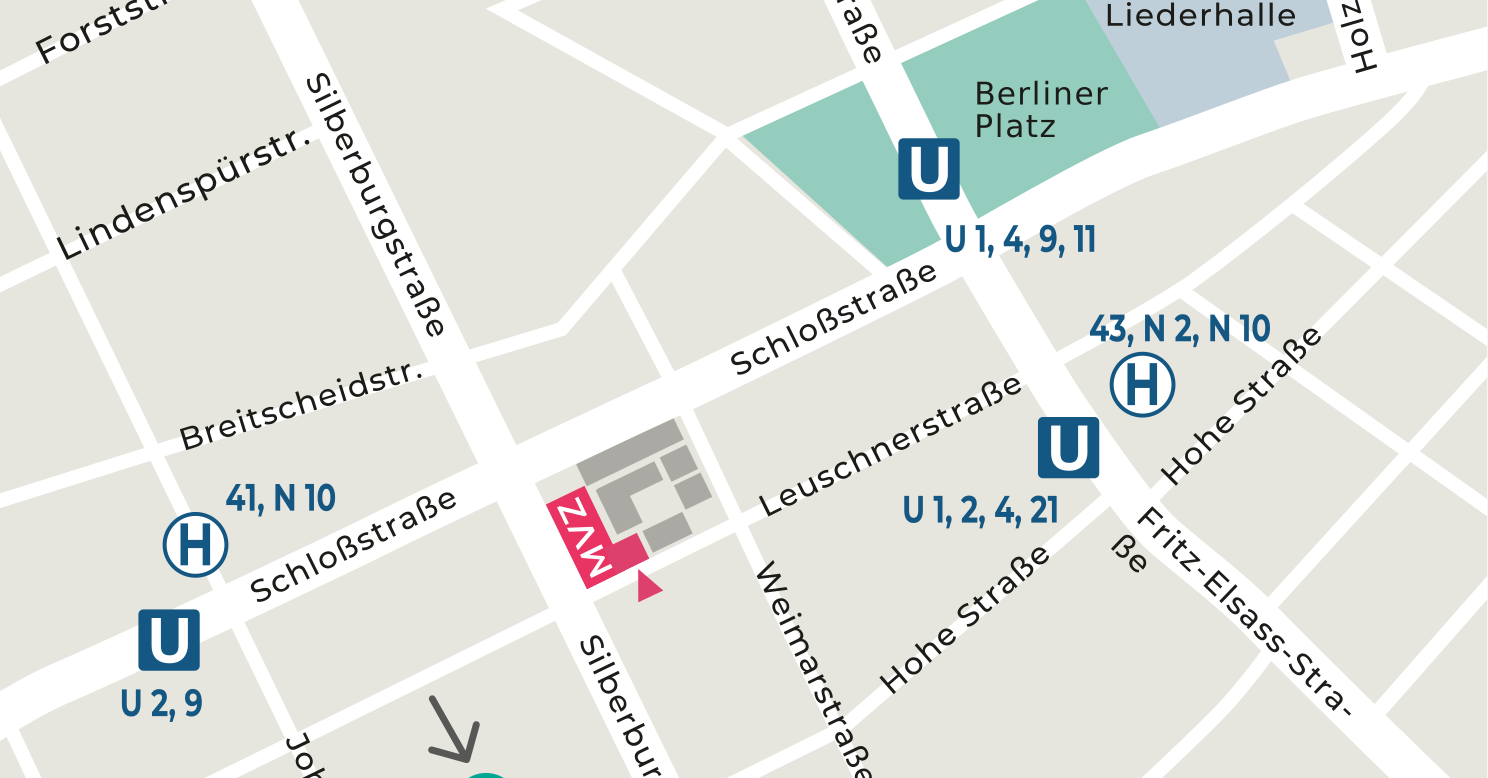 09 MVZ Hämatologie Onkologie Stuttgart
Why #9: Verified accreditation, transparent pricing, dedicated international patient desk
MVZ Hämatologie Onkologie Stuttgart — a Stuttgart hospital with cardiac surgery among its busier departments. The clinical footprint includes cardiac surgery, orthopedics, and oncology. Ask for current accreditation pape…
-
 10 Robert-Bosch-Krankenhaus
Why #10: Large multi-specialty centre (677+ beds) — broad consultative depth
Robert-Bosch-Krankenhaus is a 677-bed hospital working across 9 clinical specialties. The clinical footprint includes cardiac surgery, orthopedics, and oncology. Ask for current accreditation paperwork before you travel …
677 beds -
 11 St. Anna-Klinik
Why #11: Verified accreditation, transparent pricing, dedicated international patient desk
St. Anna-Klinik operates in Stuttgart, Germany, a reference market for complex European medical travel. It handles a mix of domestic and international cases. Departments include cardiac surgery, orthopedics, and oncology…
-
 12 Marienhospital Stuttgart
Why #12: Established 1890 — long institutional track record
Marienhospital Stuttgart runs from Stuttgart, Germany. Patients travel here primarily for cardiac surgery. It opened in 1890. On the clinical side, the hospital covers cardiac surgery, orthopedics, and oncology along wit…
Est. 1890 -
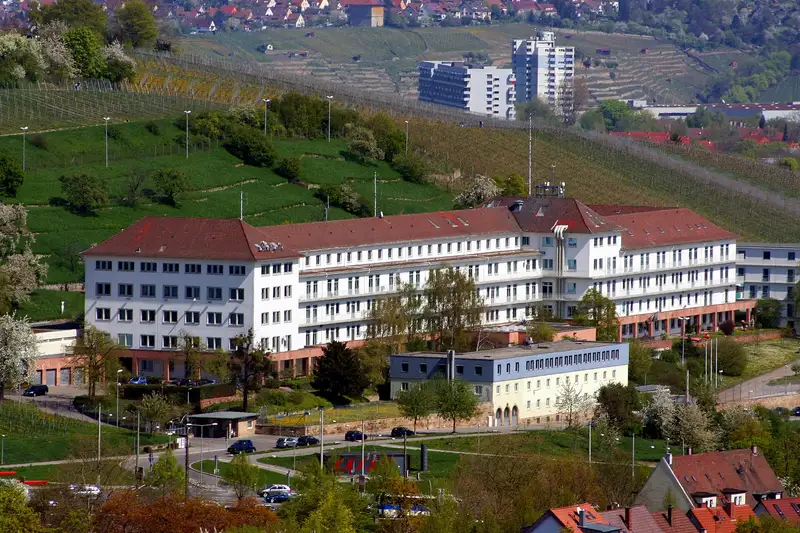 13 Polizeipräsidium Stuttgart
Why #13: Verified accreditation, transparent pricing, dedicated international patient desk
Polizeipräsidium Stuttgart operates in Stuttgart, Germany, a reference market for complex European medical travel. It handles a mix of domestic and international cases. Departments include cardiac surgery, orthopedics, a…
-
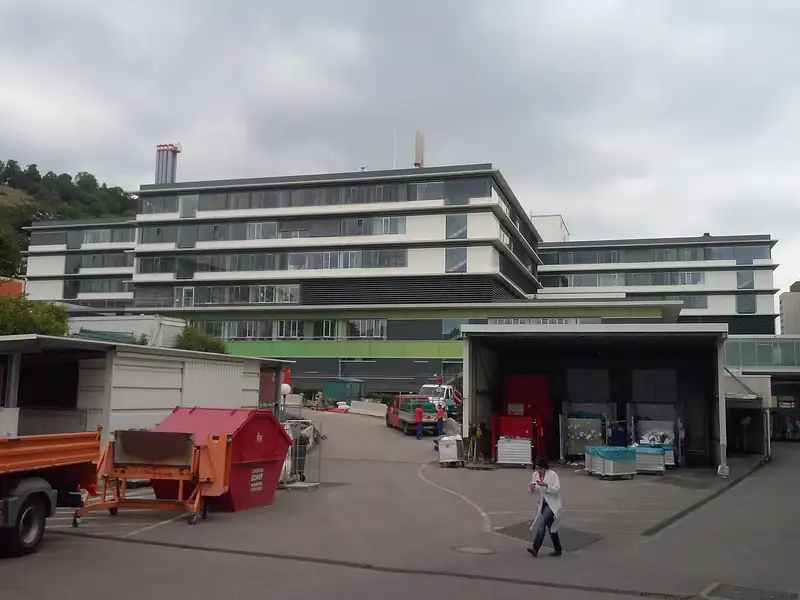 14 Olgäle
Why #14: Established 1842 — long institutional track record
In Stuttgart, Olgäle is one of the hospitals international coordinators routinely shortlist for cardiac surgery. It opened in 1842. Core clinical activity runs through cardiac surgery, orthopedics, and oncology. On-the-g…
Est. 1842 -
 15 Furtbachkrankenhaus
Why #15: Verified accreditation, transparent pricing, dedicated international patient desk
Based in Stuttgart, Furtbachkrankenhaus is a 124-bed hospital working across 9 clinical specialties. With around 124 inpatient beds, core activity runs through cardiac surgery, orthopedics, and oncology. If you're planni…
124 beds -
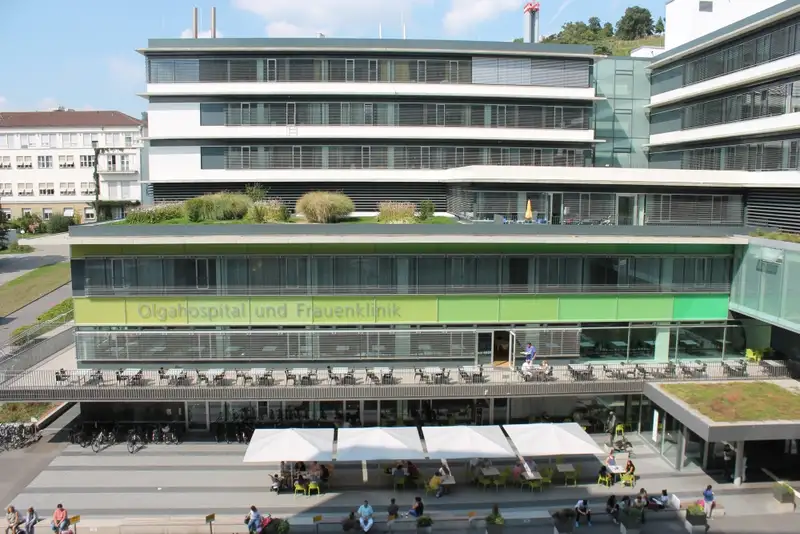 16 Olgahospital und Frauenklinik
Why #16: Verified accreditation, transparent pricing, dedicated international patient desk
Olgahospital und Frauenklinik runs from Stuttgart, Germany. Patients travel here primarily for cardiac surgery. Departments include cardiac surgery, orthopedics, and oncology plus 6 more. If you're planning treatment her…
-
 17 Robert Bosch Hospital
Why #17: Established 1915 — long institutional track record
The Robert Bosch Hospital (German: Robert Bosch Krankenhaus, RBK) is a charitable hospital in Stuttgart, Germany, which was founded by Robert Bosch in 1936.…
Est. 1915 -
 18 Katharinenhospital
Why #18: Verified accreditation, transparent pricing, dedicated international patient desk
In Stuttgart, Katharinenhospital is one of the hospitals international coordinators routinely shortlist for cardiac surgery. Core clinical activity runs through cardiac surgery, orthopedics, and oncology. On-the-ground s…
-
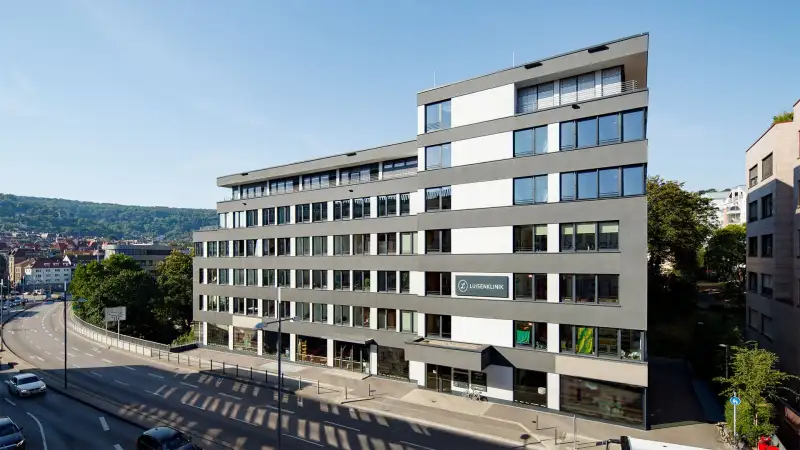 19 Luisenklinik - Stuttgart
Why #19: Verified accreditation, transparent pricing, dedicated international patient desk
Luisenklinik - Stuttgart sits in Stuttgart's healthcare corridor. Patients on the international desk tend to travel in from Russia and beyond. Departments include cardiac surgery, orthopedics, and oncology plus 6 more. O…
-
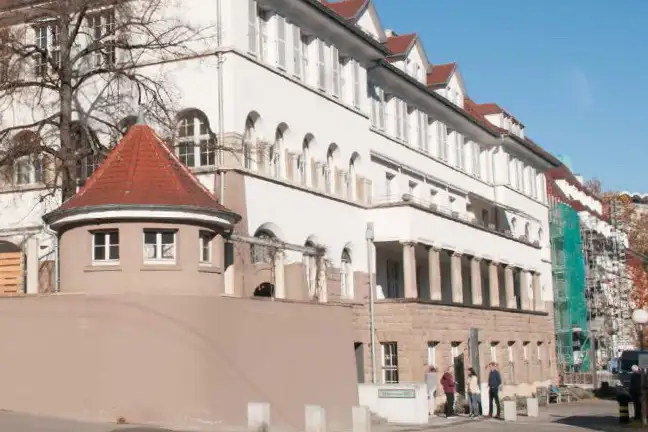 20 Klinikum Stuttgart
Why #20: Verified accreditation, transparent pricing, dedicated international patient desk
Klinikum Stuttgart runs from Stuttgart, Germany. Patients travel here primarily for cardiac surgery. On the clinical side, the hospital covers cardiac surgery, orthopedics, and oncology along with 6 other specialties. Ac…
Jinsi orodha hii inavyopangwa
Kinachoamua mpangilio
Hospitali hupangwa kwa sehemu hizi za hifadhidata yetu, kwa mfuatano huu. Hakuna kingine kinachopimwa.
Hatupimi matokeo ya matibabu, idadi ya upasuaji wa daktari wala machapisho. Uliza kila hospitali idadi ya kesi za kila daktari kabla ya kuamua.
- 1Hadhi ya kituo cha ubora
Hospitali zilizotambuliwa kama kituo cha ubora kwa utaalamu huu huja kwanza.
- 2Ukadiriaji wa wagonjwa
Wastani wa juu wa ukadiriaji hupanda juu zaidi.
- 3Idadi ya maoni
Huamua sare kati ya hospitali zenye ukadiriaji sawa.
What this list isn't
Rating ≠ outcome
A hospital ranking is a qualifying filter, not a prediction of your outcome. Within any listed hospital, your outcome is shaped by your specific surgeon's volume, the program's protocol for your indication, and your own clinical baseline. Always ask for surgeon-level data — case volume per year, conversion rate, infection rate — before committing.
Hatua inayofuata · Ophthalmology
Tuko tayari ukiwa tayari.
Njia tatu za kuendelea. Chagua inayokufaa sasa hivi.
Destination · Germany
Why patients choose Germany for ophthalmology (ophthalmology)
Germany operates the most rigorous training and quality-control pathway in continental Europe — the Facharzt specialist credential takes 5-6 years post-medical-school, and university-affiliated centres (Charité Berlin, Heidelberg, Hamburg-Eppendorf, Munich, Aachen) handle Europe's most complex referrals. Germany is the answer for ophthalmology when you need genuinely complex multidisciplinary care — neuro-oncology, cardiac re-do operations, transplant, rare-disease workups — and you're willing to pay for surgical depth that's hard to source elsewhere.
- 01
University hospitals run weekly multidisciplinary tumor boards as a regulatory requirement, not a marketing point — every cancer case is reviewed by the full panel before treatment.
- 02
Strict implant traceability law (the Medizinproduktegesetz) means every device used in your surgery is logged, recallable, and supplier-verifiable for 30+ years.
- 03
Most senior surgeons publish in peer-reviewed journals annually and run named research lines — credentials are auditable.
- 04
Lufthansa, KLM, and Turkish Airlines run dense connectivity from MENA, the GCC, and South Asia into Frankfurt, Munich, and Düsseldorf — typical 6-9 hour single-leg from origin.
Cost note. Pricing reflects fully-loaded EU clinical labour, regulatory compliance, and university-level overhead — typically 10-30% below US list but at the top of European destinations.
How to use this list
What to look for
- Same-day screening + surgery is a flag (rigorous screening takes its time).
- Pre-op corneal topography and pachymetry as standard.
- Dry-eye assessment and treatment infrastructure.
- Itemized pricing with laser brand and IOL brand specified.
- Enhancement policy (most practices need 3-10% enhancement rate at 12 months).
- Modern equipment (femtosecond laser + excimer for refractive; phacoemulsification with multifocal IOL options for cataract).
- Sub-specialty match for non-routine cases.
Volume benchmarks
Surgeon volume benchmarks
Travel timing
When to travel to Germany
Peak window: May, June, September
Late spring through early fall is the most comfortable time. Summer (July–August) is pleasant but tourism peak. Winter is fine but cold and short days; recovery accommodation should be heated reliably (most German hotels are).
Questions
What to ask each program on this list
- 01
Am I a candidate based on corneal thickness and topography?
- 02
What's your enhancement rate (need for retreatment in 12 months)?
- 03
What technology are you using (femtosecond laser brand, IOL family) and why?
- 04
What's the dry-eye incidence in your patient series, and how is it managed?
- 05
Who handles follow-up if vision isn't where we want it at 3 months?
Adjacent rankings
Other ways to slice Ophthalmology in Stuttgart
Best-of lists are one cut. These hubs let you re-rank by destination, by city, by surgeon volume, or by procedure.
- Specialty Ophthalmology hub All ophthalmology programs across all destinations.
- Best of Best Ophthalmology in Germany Step up from Stuttgart to the full Germany ranking.
- City Stuttgart hospital hub All hospitals and pricing benchmarks in Stuttgart.
- Destination Germany hospital hub Featured programs and pricing benchmarks for Germany.
- Surgeons Ophthalmology surgeons Volume-ranked physician directory across all destinations.
- Surgeons Ophthalmology surgeons in Germany Filtered to Germany-based programs only.
- Hospitals All Germany hospitals Filter by city, specialty, accreditation, beds.
- Hospitals Hospitals filtered by Ophthalmology Programs credentialed for ophthalmology across all destinations.
- Browse Other best-of rankings All specialty × country ranking combinations.
- Compare Hospital comparison Side-by-side accreditations, ratings, beds, and pricing for up to 4 hospitals.
- Compare Doctor comparison Surgeons compared on volume, fees, languages, video-consult availability.
- Tool Cost calculator Hospital-reported pricing for ophthalmology procedures across destinations.
- Tool Match-me triage Three questions, get a specialty + destination + 3-hospital shortlist.
- Trust Editorial policy Methodology behind ranking, AI disclosure, corrections SLA.